 Retro Replay Retro Gaming History, Reviews & Emulation
Retro Replay Review
Gameplay
The first hour has an oddball charm that is hard to dismiss. You are not merely selecting pachinko tables from a menu; you are traveling through a sci-fi adventure and being asked to clear machines before the next piece of the journey opens. That framework gives each table more purpose than a standalone gambling game usually manages.
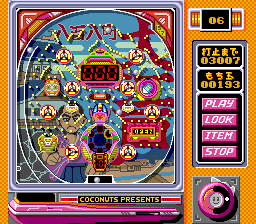
At the table, the input is intentionally spare: adjust the strength of your shot, then send it into the machine. Automatic firing lets you settle in and watch the results, which suits the game’s real-time pachinko focus. The hook is in judging how much force to use and accepting that, once the ball is loose, the board has a large say in your fate.
Different machine styles and difficulty levels keep the campaign from feeling like one repeated board, but this is still a game for someone who genuinely enjoys pachinko’s mix of timing, probability, and frustration. If a required game goes badly, the adventure stops cold. That can make the plot-driven structure feel less like welcome momentum and more like a toll gate.
The included controller, shaped like a real pachinko device, is a smart fit for the material. It underlines how much of the game’s pleasure comes from the tactile fantasy of operating a machine rather than from deep action-game controls. You should give it a chance if pachinko itself already has some pull for you; curiosity about the space premise alone may not be enough to carry you through the tougher boards.

Graphics
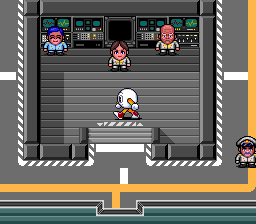
The game alternates limited top-down exploration with 2D scrolling pachinko action. The overhead travel sections clearly separate the adventure beats from the machines, while the pachinko boards are where your attention naturally stays as balls move through the playfield.
Story
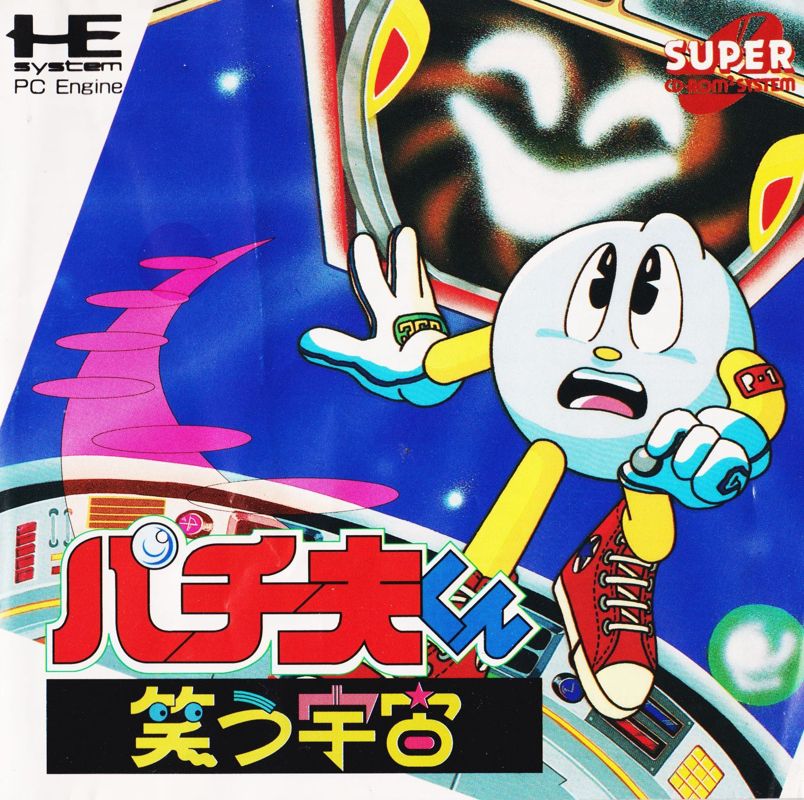
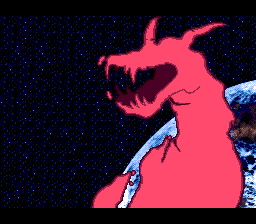
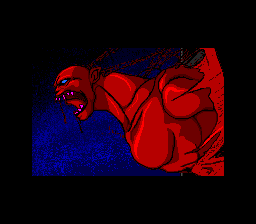
For a pachinko game, Warau Uchū puts a surprisingly direct adventure setup on the table. Geios was sealed long ago, an alien race is harvesting its power for a return, and Pachinko Planet has already paid dearly with the death of its king. Pachio-kun’s homecoming immediately gives the quest stakes beyond simply chasing another score.
The Sledgehammer journey is a useful throughline because it turns each new location into another stop on a mission to restore Pachio-kun’s homeland. The plot does not replace pachinko as the main attraction, but it gives the repeated requirement to play machines a reason to exist inside the game world.
That said, the story’s role is mostly to keep you moving between challenges. Its biggest success is tone: cosmic evil, invading aliens, and a pachinko protagonist make for a cheerfully peculiar combination. If that sounds like your kind of early-1990s Japanese game weirdness, the premise adds real flavor to the campaign. For another entry in the series, see Pachio-kun: Maboroshi no Densetsu.
Overall Experience
Pachio-kun: Warau Uchū is much more interesting than a plain pachinko compilation because it commits to wrapping its tables in an actual journey. Wandering through areas, hitting a mandatory machine, and earning the right to continue creates a small but coherent loop. When a board goes your way, advancing feels like progress in an adventure rather than just a lucky round.
Its weakness is inseparable from its premise. Pachinko outcomes can be exhilarating when the ball starts finding favorable routes, but a difficult required machine can drain the energy out of the expedition. There is little room to sidestep that friction, so patience matters as much as enthusiasm.
This is a worthwhile curiosity for pachinko fans and for anyone drawn to games that enthusiastically fuse unrelated ideas into something singular. The simple controls, sci-fi framing, and specialized controller make it memorable; the mandatory tables make it demanding. Stick with it if you enjoy the tension of working a board repeatedly for a breakthrough, but skip it if you need your adventure progress to rest primarily on precise action rather than luck.



Reviews
There are no reviews yet.