 Retro Replay Retro Gaming History, Reviews & Emulation

Retro Replay Review
Gameplay
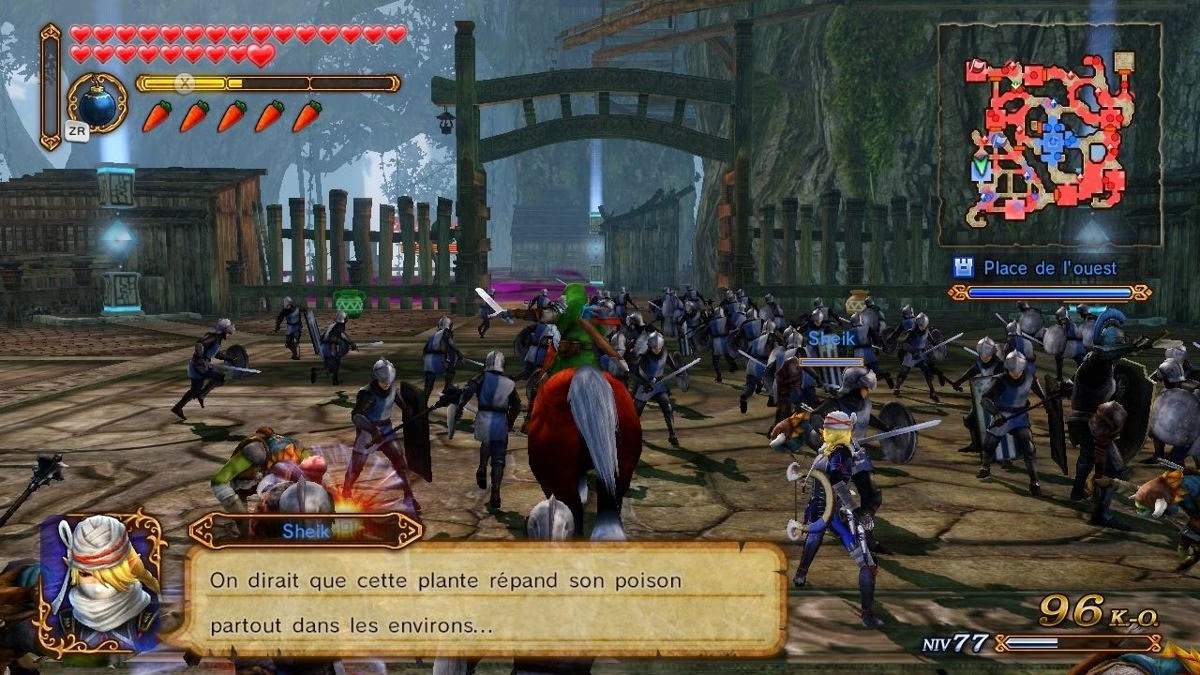
Hyrule Warriors understands the immediate pleasure of a huge crowd parting around your weapon. Link and the expanding cast can tear through masses of enemies with quick combo attacks, and the action has a pleasantly exaggerated scale when a charged attack catches a whole pack. Dodge rolls and target lock keep larger threats manageable, while the weak-point system gives boss encounters a welcome rhythm: create an opening, hammer the exposed gauge, then cash it in with a powerful smash.
What begins as a carefree power trip gradually turns into a busy battlefield-management game. Capturing keeps means thinning out their defenders until the Keep Boss appears, while outposts can turn into sources of allied reinforcements. You are constantly pulled between taking territory, saving a vulnerable character, responding to a boss, and preventing an enemy push from becoming a disaster. That pressure is the game at its best, because it makes your route across each large map matter.
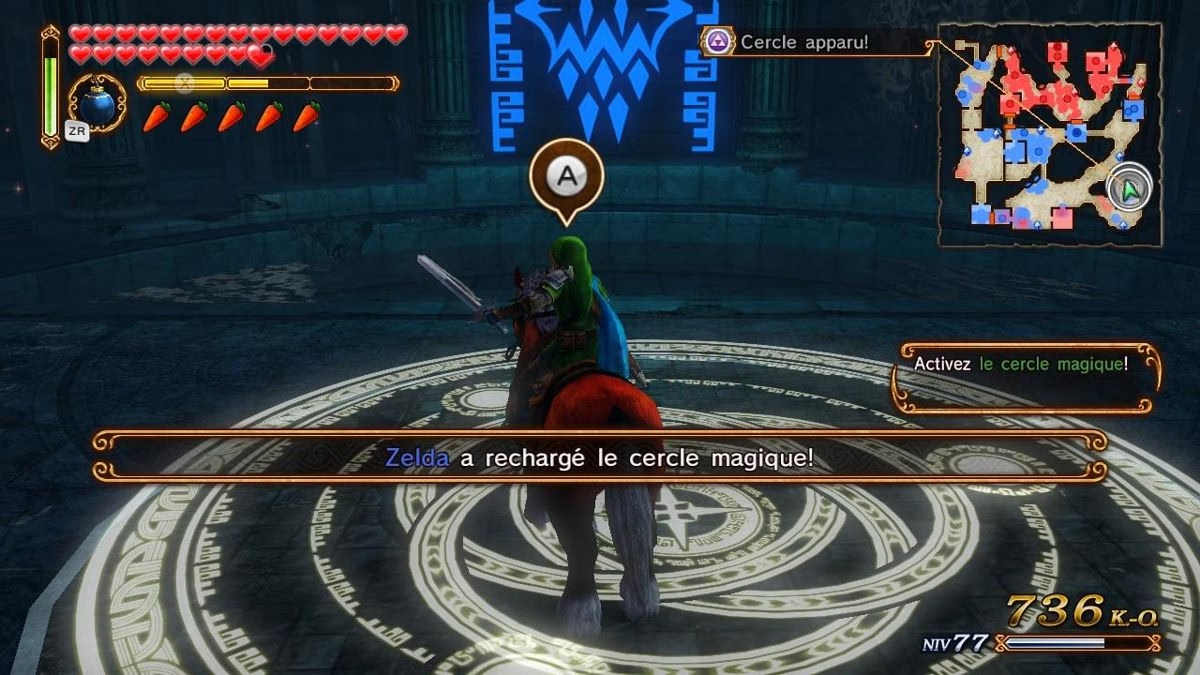
It can also be the source of real frustration. A battle may end early because an allied objective fell apart somewhere else, not because you lost a direct fight. You need to stay alert and move with purpose rather than linger for every last knockout. The minimap, directional prompts, and Proxi’s guidance help, but the game still asks you to develop the habit of checking the wider war instead of staring only at the enemy in front of you.
There is plenty to dig into beyond Legend Mode. Adventure Mode turns progression into a grid-based hunt with an 8-bit Zelda-inspired map, while Free Mode is a good place to try unlocked fighters without story pressure. Challenge Mode adds focused tasks, and the Bazaar’s badges, training, mixtures, and smithing give excess rupees and materials a practical use. Gold Skulltulas add another reason to revisit missions, though their limited appearances can make the hunt feel more urgent than relaxing.
Graphics
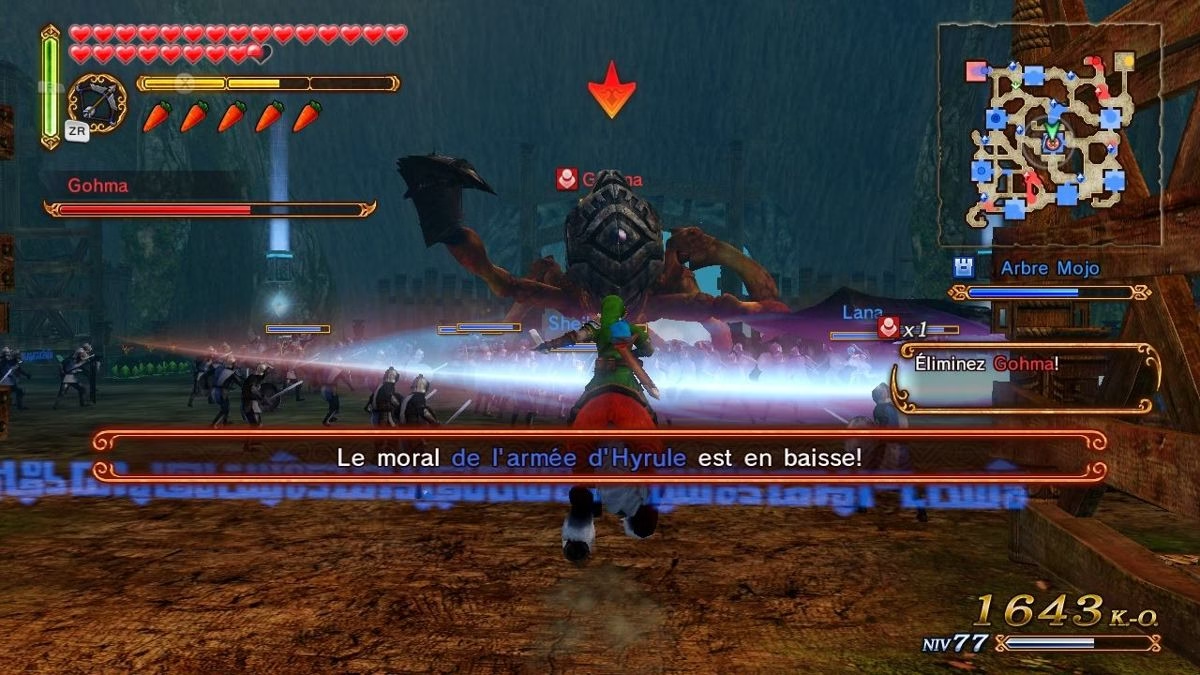
The Wii U battlefields put a familiar Zelda cast into crowded, earthy arenas full of soldiers, wooden defenses, stone paths, and looming enemies. Link’s green tunic and blue shield remain easy to pick out amid the chaos, and the massive spider-like Gohma stands well above the surrounding troops. The camera view makes the scale of a packed battlefield clear, even when the mass of similar soldiers can look visually busy.
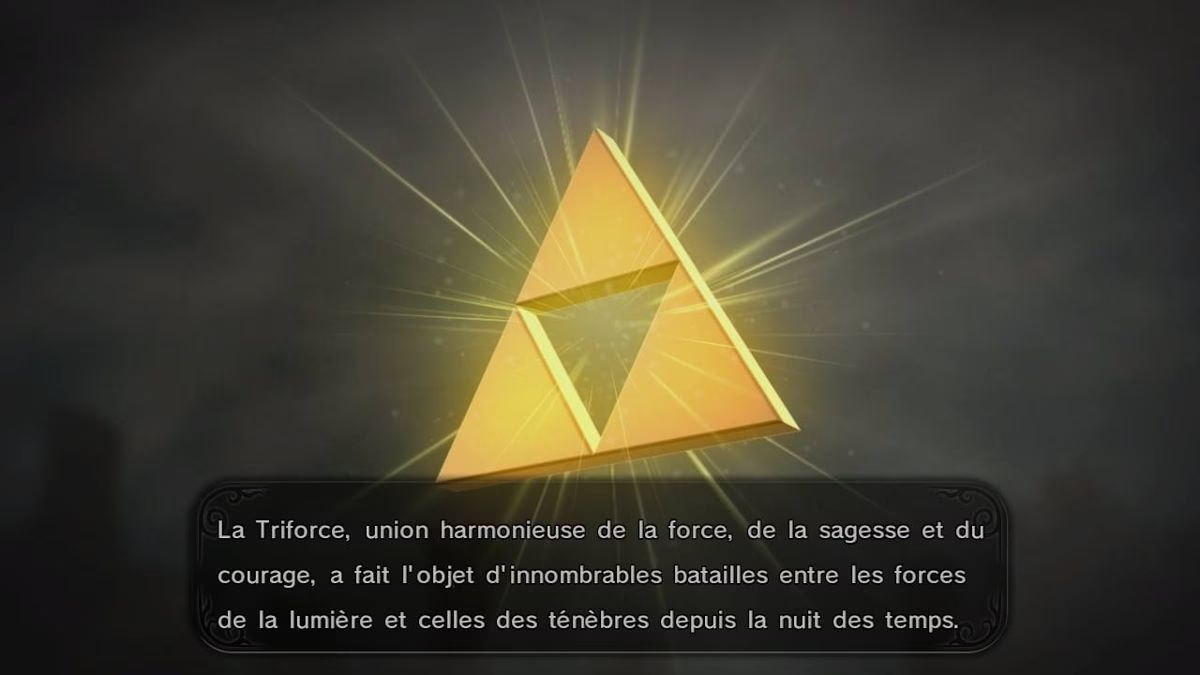
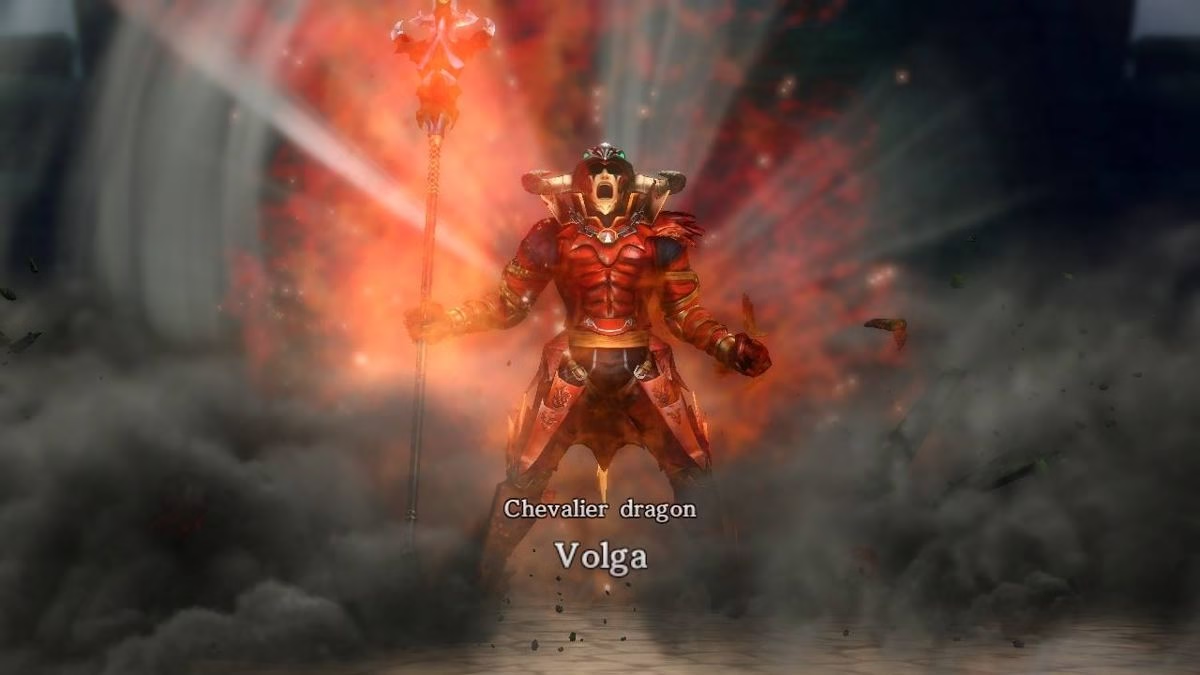
Character-focused scenes have more dramatic flair. Volga’s red armor, glowing weapon, and smoky entrance make him look appropriately threatening, while the story interludes give the Triforce a clean golden glow against a dark background. The in-game environments are less striking than those moments, but their bridges, ruins, and forested structures give each fight a tangible place.
Story
This is a Zelda story built to get heroes onto the battlefield, and it does that job well enough. Ganondorf’s lingering evil influences the sorceress Cia, time portals bring monsters into Hyrule, and Hyrule Castle falls into chaos. Link begins as a trainee soldier, proves himself under pressure, and receives the familiar green outfit as he joins Impa in the search for Zelda.
The biggest draw is the chance to fight alongside, and eventually play as, figures such as Impa, Sheik, Zelda, Lana, Darunia, and Fi. Their presence makes the campaign feel like a broad celebration of Zelda rather than a narrowly focused Link adventure. Characters, enemies, and locations draw from earlier games, which gives the story a crossover energy even when it moves quickly between its bigger plot points.
Do not come in expecting the careful discovery and quiet mystery of a mainline Zelda quest. The narrative mainly exists to propel you from one crisis to the next and explain why another familiar face is ready for battle. That is a sensible fit for the format. The story is most enjoyable when it gives your next mission some emotional context, then gets out of the way and lets the war unfold.
Overall Experience
Hyrule Warriors is at its most satisfying once you stop treating it like a standard Zelda game and meet it on Warriors terms. You are a powerful fighter, but you are also the one expected to stabilize a sprawling map before allied morale and key objectives collapse. The game makes that balancing act feel meaningful, especially when a quick response lets you seize a keep, rally your side, and turn a chaotic battle around.
The progression loop has enough hooks to reward commitment. New fighters change the feel of combat, while weapon types, badges, materials, mixtures, and leveling create a steady stream of things to improve. Adventure Mode and its Zelda-styled board give completion-minded gamers another substantial reason to keep playing after the main campaign, and local co-op is a natural match for a game about clearing armies together.
You should give it a chance if the idea of Zelda characters in large-scale action battles sounds more exciting than sacrilegious. Patience is required when the mission priorities pile up, and its dense battlefields can be more cluttered than elegant. Still, the mix of crowd-clearing action, tactical multitasking, and affectionate Zelda fan service earns its payoff. It is a strong spin-off that finds room for both cathartic button-mashing and genuine battlefield awareness.


Reviews
There are no reviews yet.