 Retro Replay Retro Gaming History, Reviews & Emulation
Retro Replay Review
Gameplay
The first hour asks you to slow down. You guide Seto through abandoned places with a flashlight in hand, following the distant promise of a red tower rather than racing toward constant action. That pace is the point: every dark corner can hold an item, a clue, or a ghost, and the emptiness gives the search a nervous, intimate pull.
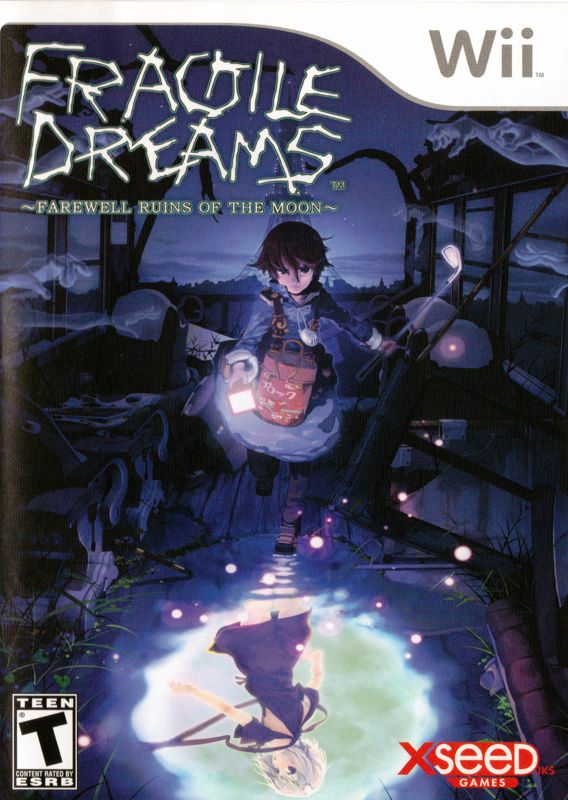
The Wii Remote flashlight is the game’s strongest idea. It lights the way, helps you interact with the environment, solves puzzles, and can expose hidden enemies. Sounds from the Remote’s speaker can point toward danger as well, turning the controller into a small but effective part of the tension. Switching to first person for a closer look also fits the exploratory rhythm nicely.
Combat is where the game’s priorities are clearest. Seto can arm himself with everything from sticks and pipes to a bow, hammer, bamboo sword, and katana, but fighting ghosts is not the main reason to be here. It can interrupt the quieter pleasure of investigating a place at your own pace. Sneaking and crouching are useful options when you want to be cautious, yet the game is far more compelling when it lets you listen, look, and wonder what happened than when it demands another confrontation.
Graphics
The third-person view keeps Seto small against dark, desolate ruins, while the flashlight carves out the bit of space immediately around him. The red tower standing out against the night gives the journey a clear visual destination, and the first-person view lets you linger over the surroundings when something catches your eye.
Story
Fragile Dreams starts from a simple, affecting situation: Seto’s grandfather has died, leaving behind a note telling the boy to travel to the red tower. In a world where most of humanity is gone, that instruction has more emotional force than a grand prophecy would. You understand why Seto goes because staying put would mean remaining utterly alone.
Ren, the silver-haired girl Seto encounters on the road, gives that journey its human center. Her presence shifts the trip from a straightforward destination chase into a search for companionship. The story’s best hook is not merely learning what ended the world; it is seeing how much a single connection matters after that loss.
Sketches and short stories found in the ruins fill in the last moments of people lost in the catastrophe. These fragments are a smart fit for the game’s wandering structure. Rather than treating each location as a combat arena to clear, they invite you to consider it as a place where somebody once lived, worried, and disappeared.
Overall Experience
This is a game for nights when you want an adventure to leave room for silence. Fragile Dreams earns its strongest moments through its lonely walks, its flashlight searches, and the ache behind Seto’s need to find another person. When that mood takes hold, the ruins feel less like levels and more like places you are trespassing through after everyone else has gone.
The trade-off is easy to state: the action does not carry the same weight as the exploration or the story fragments. If you need crisp, frequent combat rewards from an action RPG, frustration can set in. If you are willing to accept fights as part of a slower journey, the game’s unusual use of sound, darkness, and solitude can make its rougher edges easier to forgive.
Fragile Dreams is worth a chance for you if melancholy atmosphere and environmental storytelling matter more than combat depth. It is not consistently smooth, but it has a sincere emotional direction that many more polished adventures lack. The payoff is a quietly sad road trip through the aftermath of humanity, anchored by the hope that Seto will not have to walk it alone.
Retro Replay Score
6.9/10
Merchant availability
We are always buying and selling retro games. Fragile Dreams: Farewell Ruins of The Moon is currently out of stock. Contact us about selling a complete-in-box copy or ask to be notified when one is available.
- Our complete-in-box selling price: $119.99 when in stock.
- We buy complete-in-box copies: up to $93.51, subject to condition, authenticity, and included contents.
- Original launch MSRP: Not verified.
- Availability: Out of stock. Orders cannot be placed while this listing is out of stock.
Pricing basis: our selling price is 90% and our buy price is 70% of the PriceCharting complete-in-box market value of $133.59, checked 2026-09-29. This listing is for the standard North American game, original case, and manual. Special editions, bundled accessories, sealed copies, and other regions are priced separately. Prices may be updated as the market changes.



Reviews
There are no reviews yet.