 Retro Replay Retro Gaming History, Reviews & Emulation
Retro Replay Review
Gameplay
The first hour hooks you by refusing to give you the usual horror-game safety blanket. Daniel cannot fight. When a monster is nearby, your choices are to run, hide, distract it, and pray you picked the right direction. That vulnerability can be nerve-racking, but it also makes escape feel earned. You are not cleaning out rooms; you are trying to get through them intact.
Light is the game’s central source of friction. The lamp needs oil, candles and torches need tinderboxes, and leaving Daniel in the dark steadily damages his sanity. Worse, darkness is often where you want to hide. Looking at monsters harms him too, so panic can turn a simple encounter into a disorienting mess: you need to know where the threat is, but staring is exactly what you should not do. Once that contradiction clicks, every decision about whether to light the next area or save supplies becomes tense.
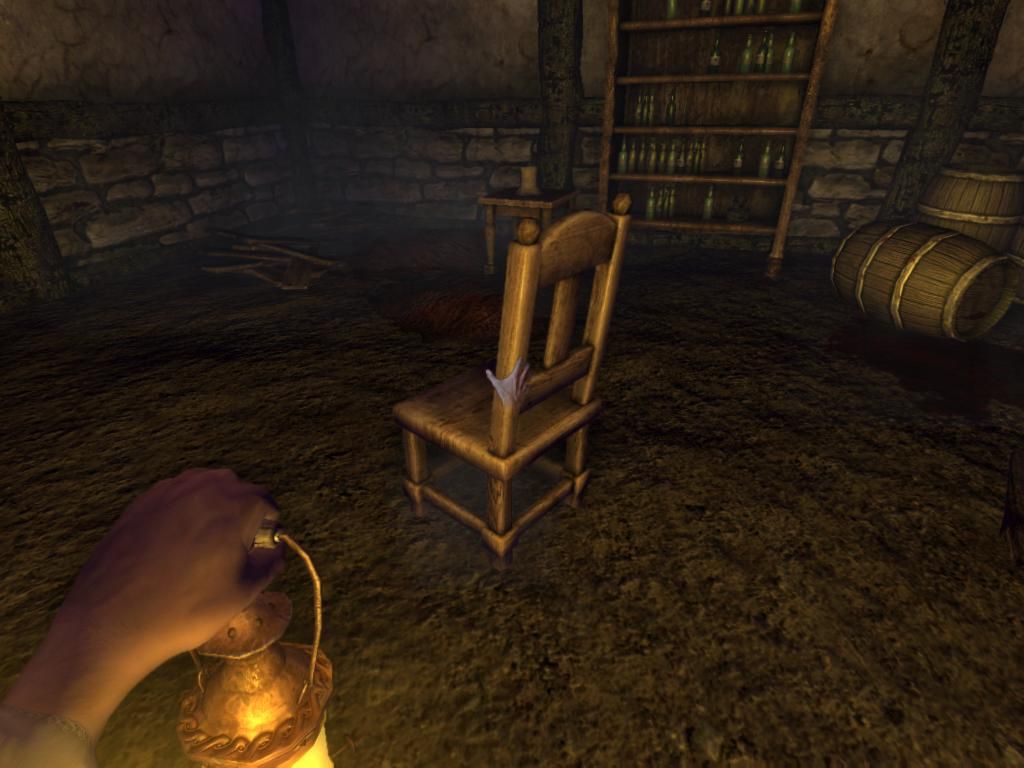
The interactive puzzles help the mansion feel tactile rather than merely decorative. You use the mouse like a hand to pull open drawers, turn wheels, and manipulate objects, while loose items can be carried or thrown for distractions and physical solutions. It is a small but effective touch. Rummaging through a room for a useful item feels closer to nervous improvisation than checking off a conventional adventure-game inventory puzzle.
Frustration can set in when fear, scarce light, and puzzle-solving all demand your attention at once. Still, the pressure is purposeful. This is horror built around uncertainty and self-control, not around giving you the tools to dominate whatever is hunting you.
Graphics
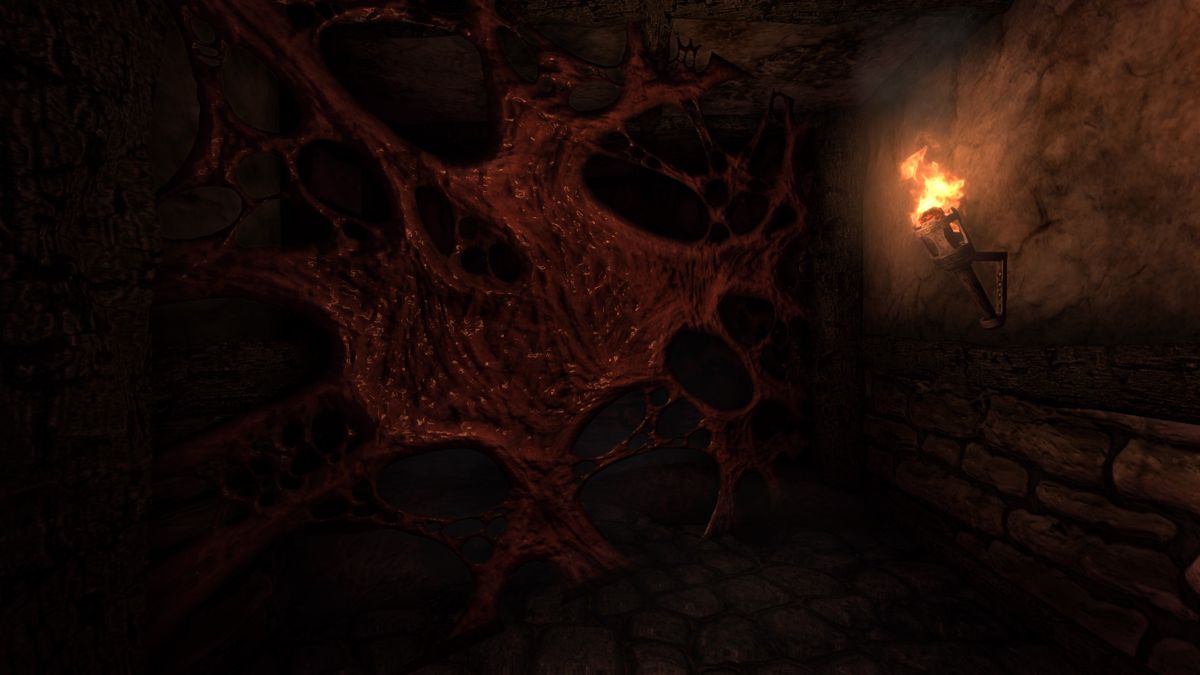
The first-person view keeps your attention close to the mansion’s rooms, drawers, doors, candles, and torches. As Daniel’s sanity drops, the world distorts and becomes harder to navigate, turning the screen itself into part of the threat rather than a safe window onto the action.
Story
Daniel’s missing memory gives the opening a clean, immediate mystery. You know he is trapped in Baron Alexander’s mansion, and you know that Daniel left himself a message to find and kill Alexander. The question is not simply how to escape; it is why Daniel decided that murder was necessary.
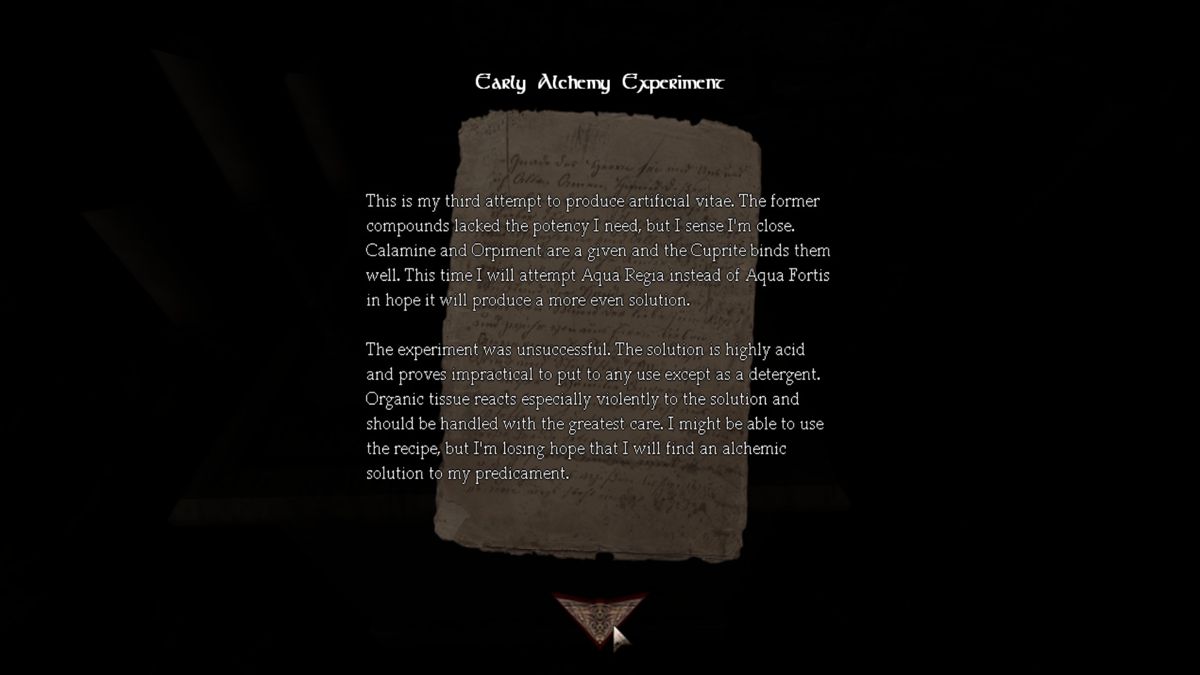
Notes, diaries, and journals do the heavy lifting, including writings from people who crossed Alexander before Daniel did. That structure suits the game’s pace. You are piecing together a past while moving through a place that keeps making you doubt whether you can safely stop and read another clue.
The Shadow provides a useful layer of urgency over the investigation. You are not leisurely reconstructing Daniel’s life from scraps; something is constantly driving you onward. The story works because its mystery and its danger pull in the same direction.
Overall Experience
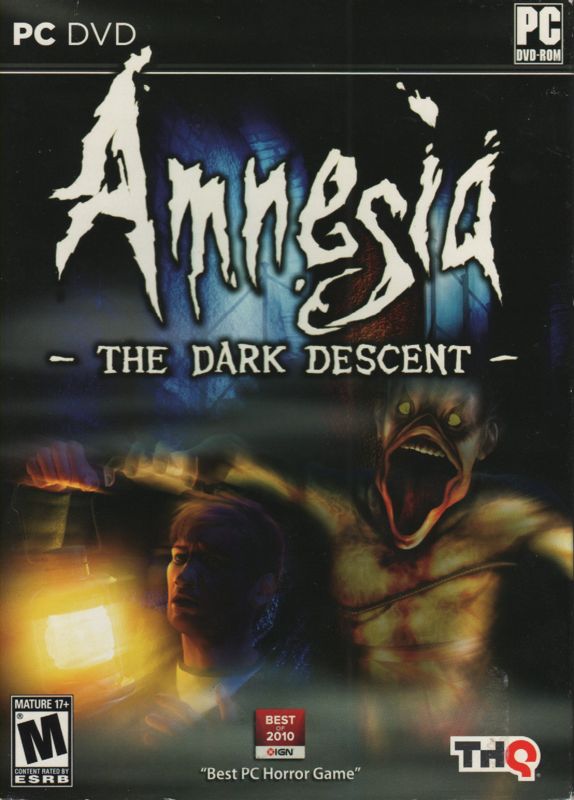
Amnesia: The Dark Descent remains potent because it understands that being unable to fight is not a gimmick by itself. It pairs that limitation with light management, sanity loss, hiding, and hands-on environmental puzzles until the mansion becomes a place where every bit of progress feels precarious.
You should give it a chance if you want horror that asks you to sit with fear rather than overpower it. Its tension can be uncomfortable, especially when you are low on oil and unsure whether the next room is safe, but that discomfort is the point. The payoff is a tightly focused descent into paranoia where even a lit candle can feel like a hard-won victory.
It is not the kind of game to play for combat mastery or a breezy puzzle tour. Go in ready to read closely, search thoroughly, and occasionally make bad decisions because you are scared. Few horror games make that loss of composure feel so central to the experience.



Reviews
There are no reviews yet.