 Retro Replay Retro Gaming History, Reviews & Emulation
Retro Replay Review
Gameplay
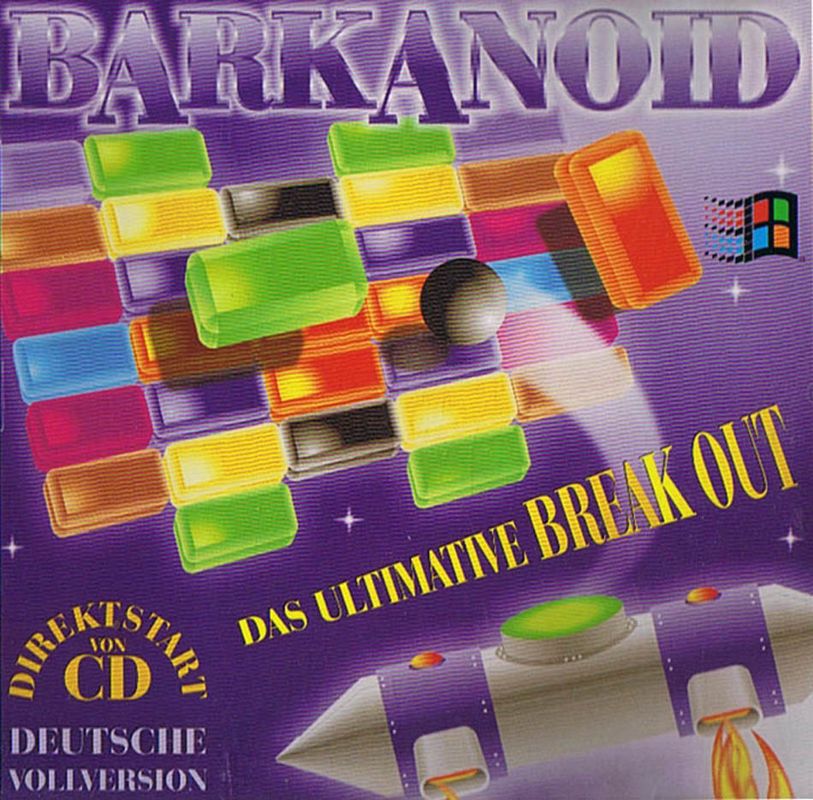
Barkanoid follows the classic Arkanoid-style brick-breaking structure, so its appeal rests on immediate arcade fundamentals: keeping the ball in play, clearing each layout, and steadily working through the game’s large set of stages. It is an accessible setup with little need for explanation, making it easy to jump into for a quick session.
The headline addition is scale. With 100 levels, Barkanoid offers considerably more layouts than a small novelty clone, and that volume gives the game a clear endurance-test quality. Players who enjoy methodically completing stage after stage will get more from it than those looking for a brief diversion.
The 35 collectibles and additional monsters provide points of variation within that familiar framework. They suggest that clearing bricks is not the whole task, adding extra objects to watch while the ball is already demanding attention. The result is a traditional design that tries to stretch its pacing through quantity and intermittent complications rather than changing the central formula.
Graphics
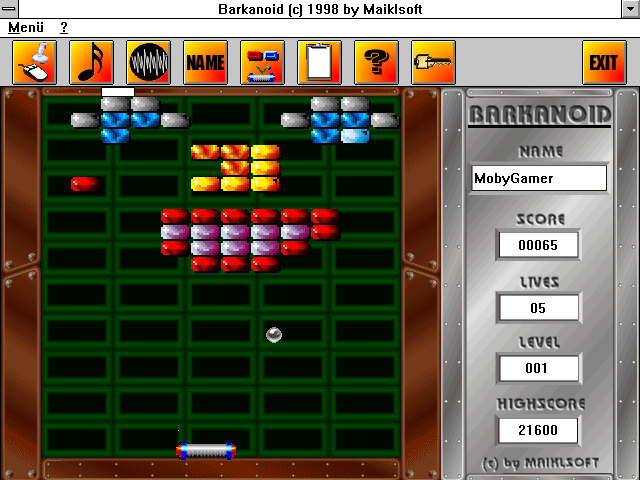
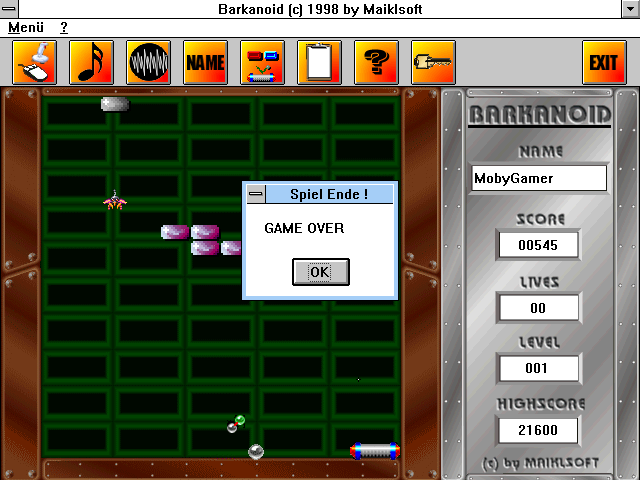
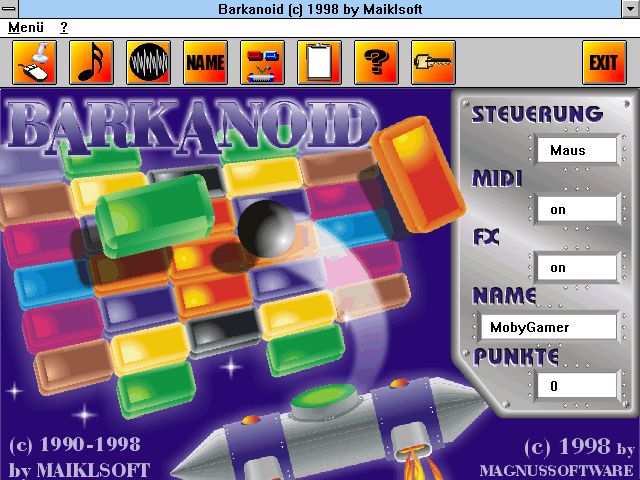
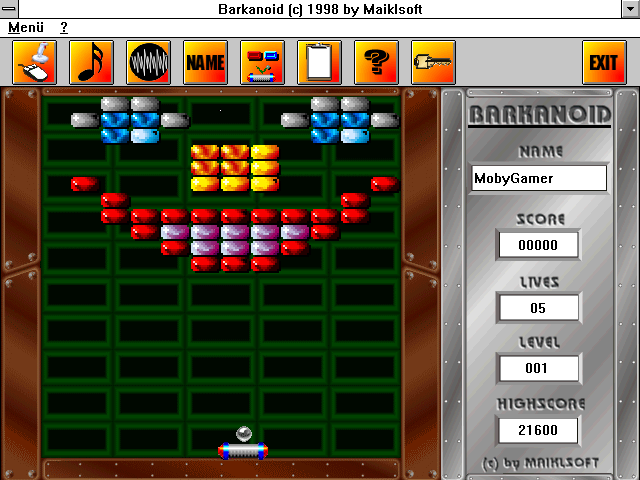
Barkanoid is a Windows 3.x game, and its presentation is framed by that desktop-era context. Rather than using a DirectX full-screen mode, it runs in a window, which makes it feel more like a compact PC arcade application than a screen-filling action showcase.
That windowed presentation is practical for short play sessions, but it also limits the sense of spectacle. The game is better approached as a functional, period-specific arcade title than as a visually ambitious interpretation of the brick-breaking genre.
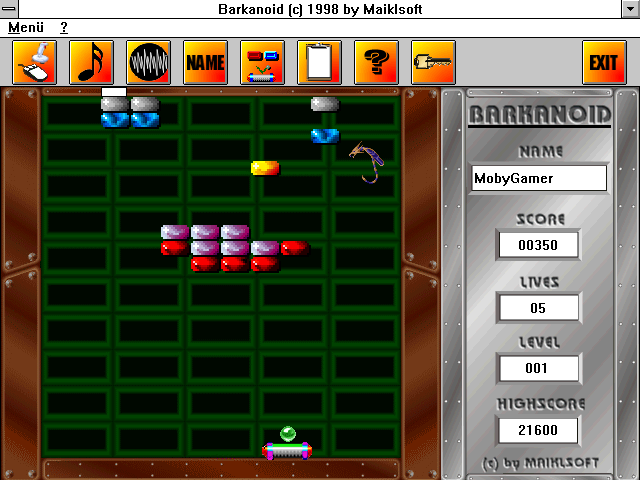
The presence of monsters gives the action a visual focal point beyond the usual blocks and ball, helping distinguish Barkanoid from the barest possible clone. Still, its identity is rooted in the established Arkanoid template, so readers seeking a radically different visual concept should keep expectations measured.
Story
Barkanoid is built as an arcade challenge, not a narrative-led game. Its emphasis is on levels, collectibles, and monsters, with progression defined by clearing the next obstacle course rather than by dramatic plot development.
This suits the format. Brick-breaking games work best when the objective is legible and the action starts quickly, and Barkanoid’s premise stays focused on that direct loop instead of interrupting it with elaborate storytelling.
If you want character development, world-building, or a campaign driven by narrative turns, this is unlikely to be the right fit. If you prefer a game whose sense of advancement comes from conquering a long sequence of stages, the lack of story keeps the attention where it belongs: on the next level.
Overall Experience
Barkanoid is a conventional but generously sized take on a proven arcade design. The 100-level count is its strongest calling card, giving committed brick-breaking fans a lengthy set of challenges rather than a minimal clone with only a few boards.
The collectibles and monsters add variety, but the game’s core remains deliberately familiar. That is a strength for players who specifically want Arkanoid-style play, while anyone hoping for extensive mechanical reinvention may find the design too close to the genre’s foundations.
Its windowed Windows 3.x presentation further defines it as a period PC arcade game: simple, direct, and best enjoyed in focused bursts or as a sustained level-clearing project. Barkanoid is recommended chiefly for genre loyalists who value a large amount of classic brick-breaking content.
For another take on brick-breaking action, see Barkanoid 3 Gold.


Reviews
There are no reviews yet.