 Retro Replay Retro Gaming History, Reviews & Emulation
Retro Replay Review
Gameplay
Blokus 3D starts with the comforting feeling that you already know what to do: pick a colored shape, rotate it if needed, and fit it onto the board. Then the corner-only connection rule begins to bite. Your own stones can meet only at corners, never edges, while opponents can crowd against you however they like. A move that neatly extends your territory can also seal off the one route you needed for a large, awkward piece later. That tension is the whole game, and it is very good.
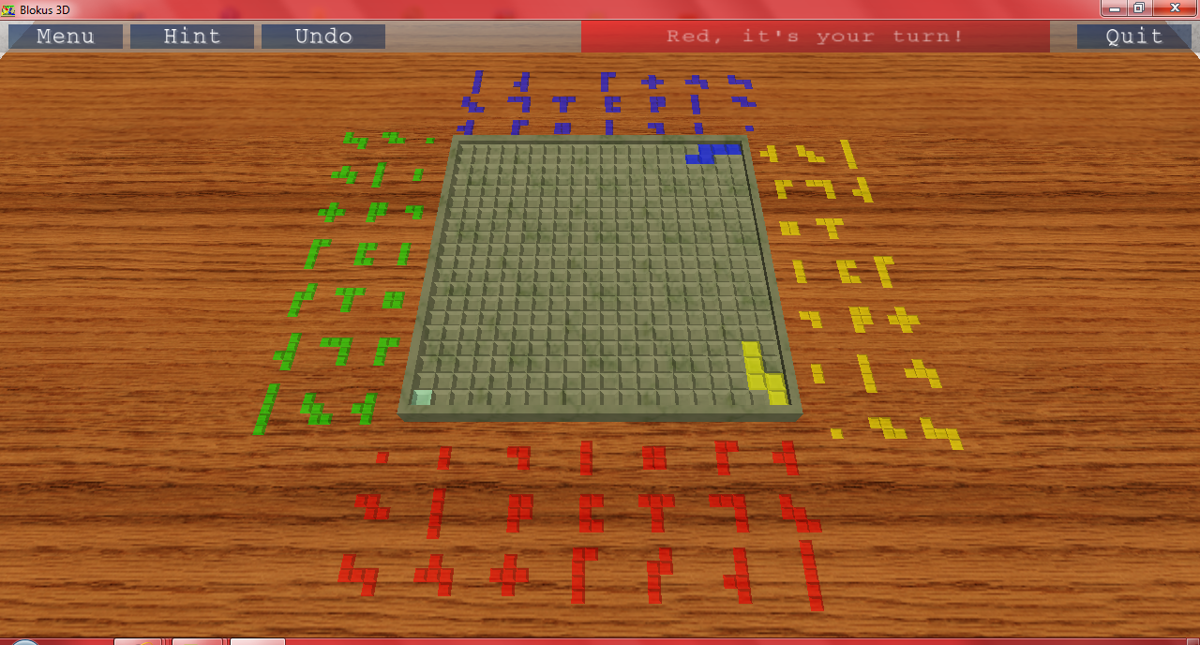
The first few turns are approachable because everybody begins from a corner with the same set of 21 stones. Soon, though, the board becomes a fight over diagonals, access points, and future possibilities. You will want to place big stones early, but taking an obvious patch of open space is not always wise if it leaves your smaller pieces stranded. The strongest moments come from spotting a narrow corner connection that keeps your plans alive while quietly cutting off somebody else.
Rotating and mirroring stones is essential rather than optional fiddling. Since each shape has a different footprint, you are constantly testing whether one orientation opens a route or closes it. The hint function is welcome when you are learning the geometry, and undo makes experimentation far less punishing. That is especially useful against the three computer difficulty levels: you can push upward without having every bad placement ruin a whole match.
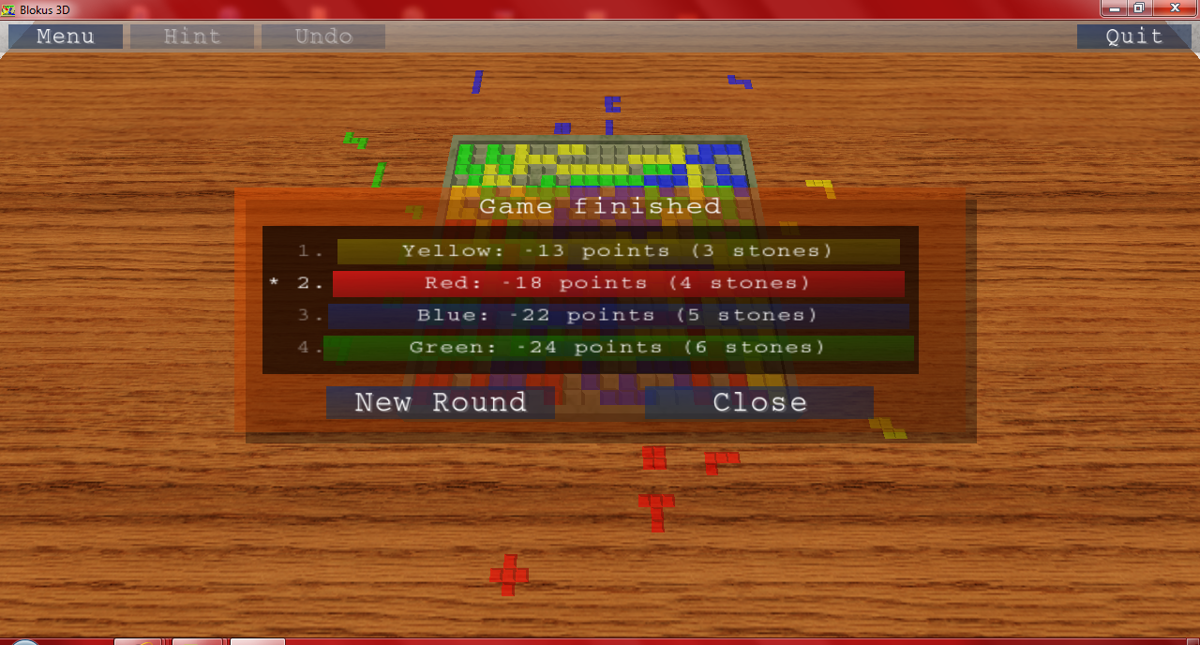
There is no escaping the fact that Blokus is a patient game. A bad early decision can leave you watching the board fill while your remaining stones no longer fit anywhere legal. Some gamers will find that harsh; others will enjoy the post-match realization that the loss began several turns ago. If you like clean rules that create increasingly tangled decisions, the payoff is absolutely worth the occasional self-inflicted dead end.
Graphics
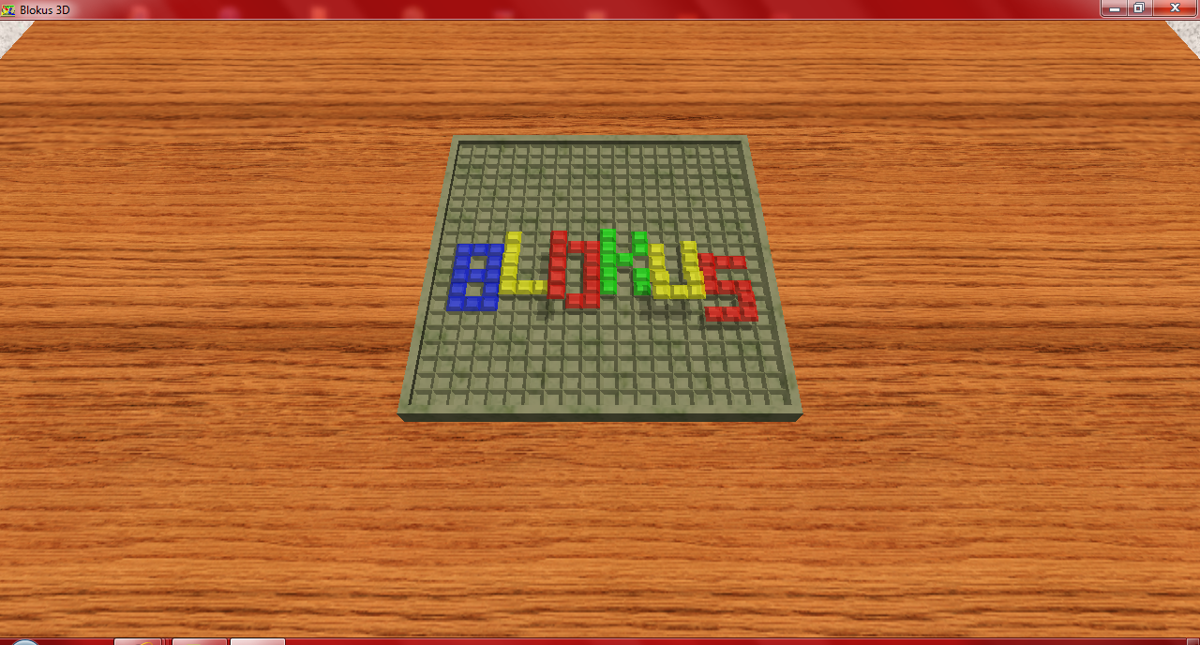
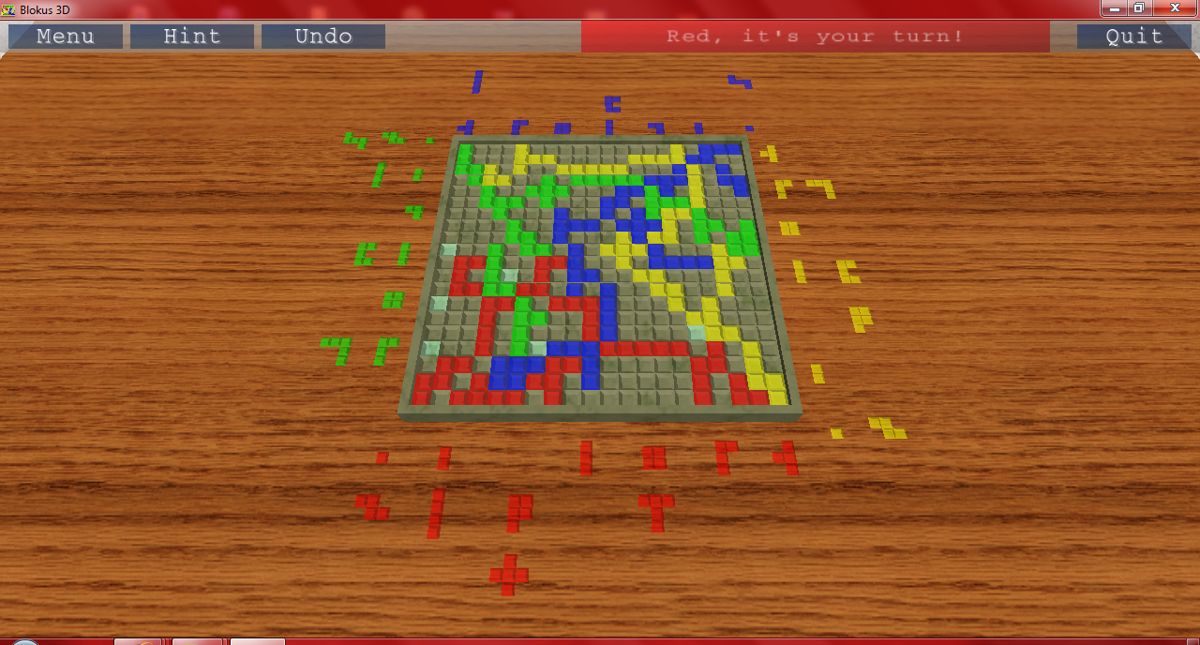
The board is built around colored, Tetris-like stones placed by four sides of the playfield. The shapes themselves are the important visual information, and the 3D treatment gives this software version a distinct board-game look while you judge rotations, mirrored forms, and available corners.
Story
There is no campaign narrative pulling you from match to match. Blokus 3D is about the small story created on the board: one color stretches out from a corner, another blocks a vital diagonal, and a player discovers too late that a large stone has nowhere left to go.
That lack of scripted drama suits the design. Every game writes its own little account of expansion, interference, and shrinking options, and the turning point is often easy to identify once the final placements are made.
If you need characters, plot twists, or a reason beyond beating the next puzzle of a match, this will feel dry. If you enjoy making meaning from a competitive board state, the rival colors and shared space provide enough context for the decisions to matter.
Overall Experience
Blokus 3D succeeds because it does not overcomplicate an excellent board-game premise. The central rule is simple, but it produces decisions that stay interesting long after you understand the basics. You can play alone against three computer-controlled opponents or bring other people into a multiplayer match, and the chatbox makes the latter feel more like a social board-game session.
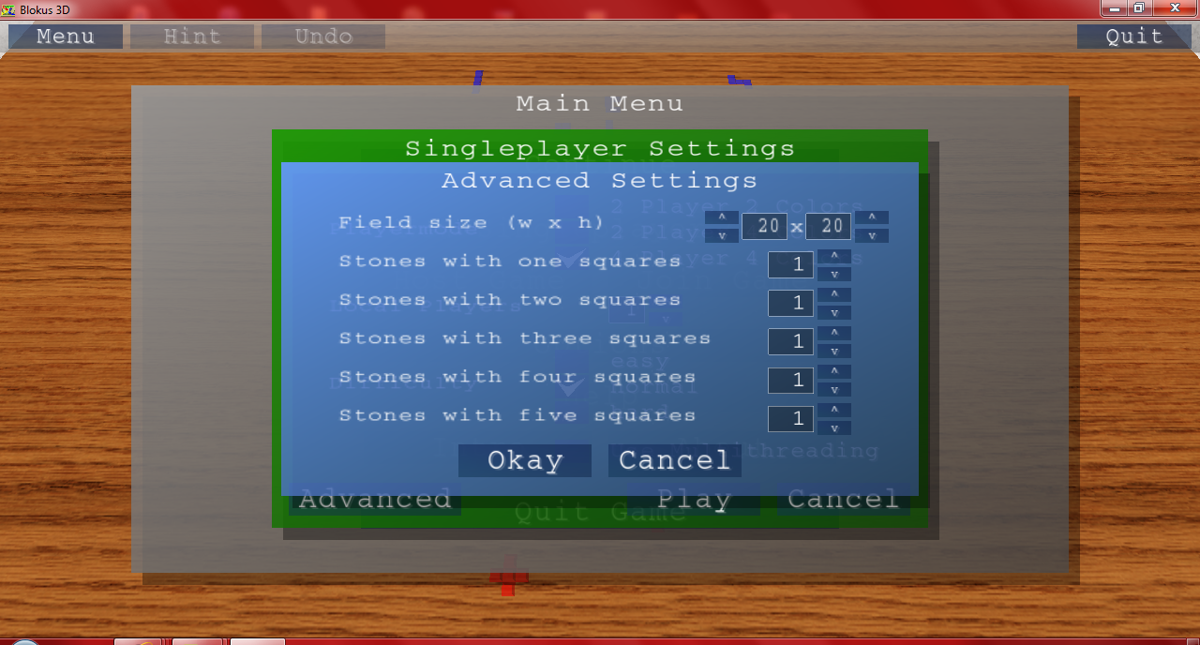
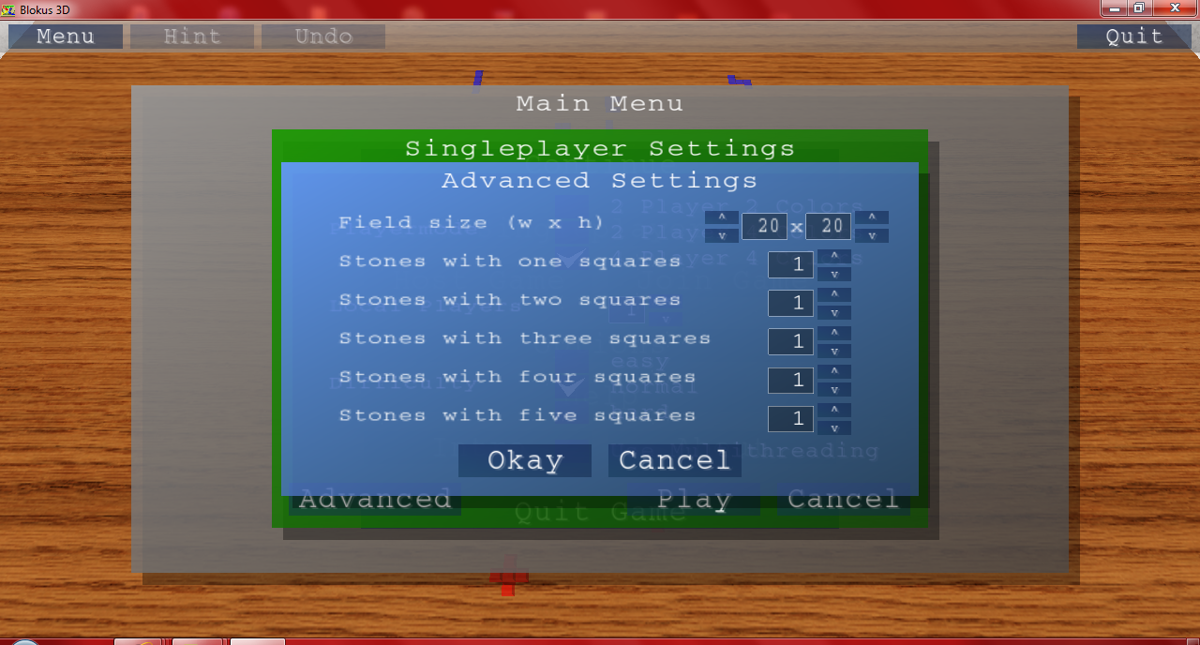
The adjustable board size and other advanced options are valuable because they let the game move beyond a single fixed routine. They do not change what makes Blokus work, though: reading space, preserving corner connections, and finding a home for the pieces that look impossible to place. It is a strategy game in the most direct sense, with no wasted distance between a choice and its consequences.
Give it a chance if you enjoy abstract turn-based competition, spatial puzzles, and the gentle agony of realizing an opponent has stolen the one corner you needed. Skip it if you want action, narrative momentum, or a game that hides its calculations behind spectacle. For everyone else, this is a sharp, replayable conversion of a board game whose elegant rule set still has plenty of teeth.


Reviews
There are no reviews yet.