 Retro Replay Retro Replay gaming reviews, news, emulation, geek stuff and more!

Retro Replay Review
Gameplay
The first hour has an immediate pull because Curse of the Ghost Ship drops you into a bad situation and asks you to work your way out of it. You are not merely browsing a themed collection of hidden-object scenes; you are trapped aboard the Pride after your own boat is struck, and every search is tied to the larger effort to understand the ship and escape it.
The unusual hidden-object structure is the game’s best idea. Rather than handing you a full list of exact targets, it gives you a category or condition: find several objects that can be opened, for example. That changes the rhythm from straightforward item spotting to scanning the scene, testing associations, and deciding what qualifies. When the connection feels obvious in retrospect, it is satisfying. When it does not, the same vagueness can turn a simple search into a stubborn bit of pixel hunting.
Mini-games break up the object searches, and the help-point system is a sensible pressure valve. Points arrive over time; spend one to reveal an object, or save up more than three to skip a mini-game entirely. That creates a modest but welcome choice: push through a puzzle now, or preserve your patience for the next difficult search. If you like to solve every obstacle unaided, the aid is easy to treat as a last resort. If you mainly want the mystery to keep moving, it prevents a single snag from ending the session.
This is not a hidden-object game for someone who wants every task spelled out. It asks you to interpret the clue, and that extra thought is both its charm and its rough edge. Give it a chance if you enjoy pausing over a scene and making your own connections; skip it if broad prompts sound more annoying than intriguing.
Graphics
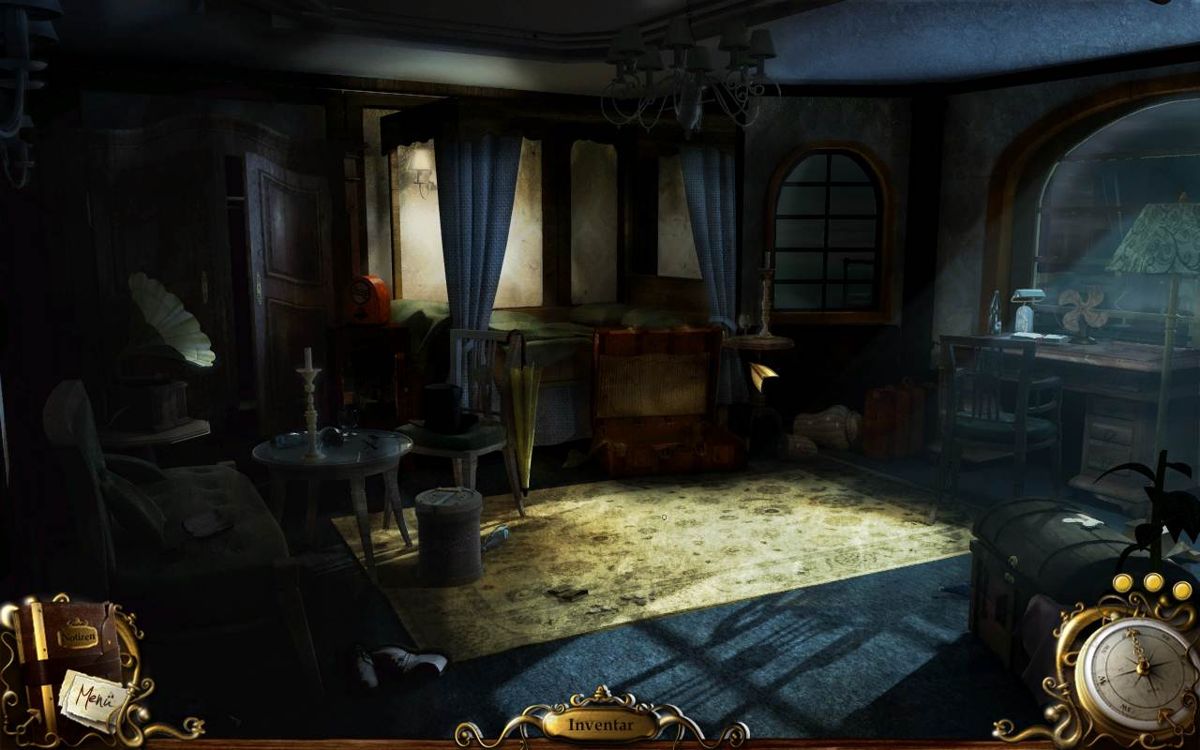
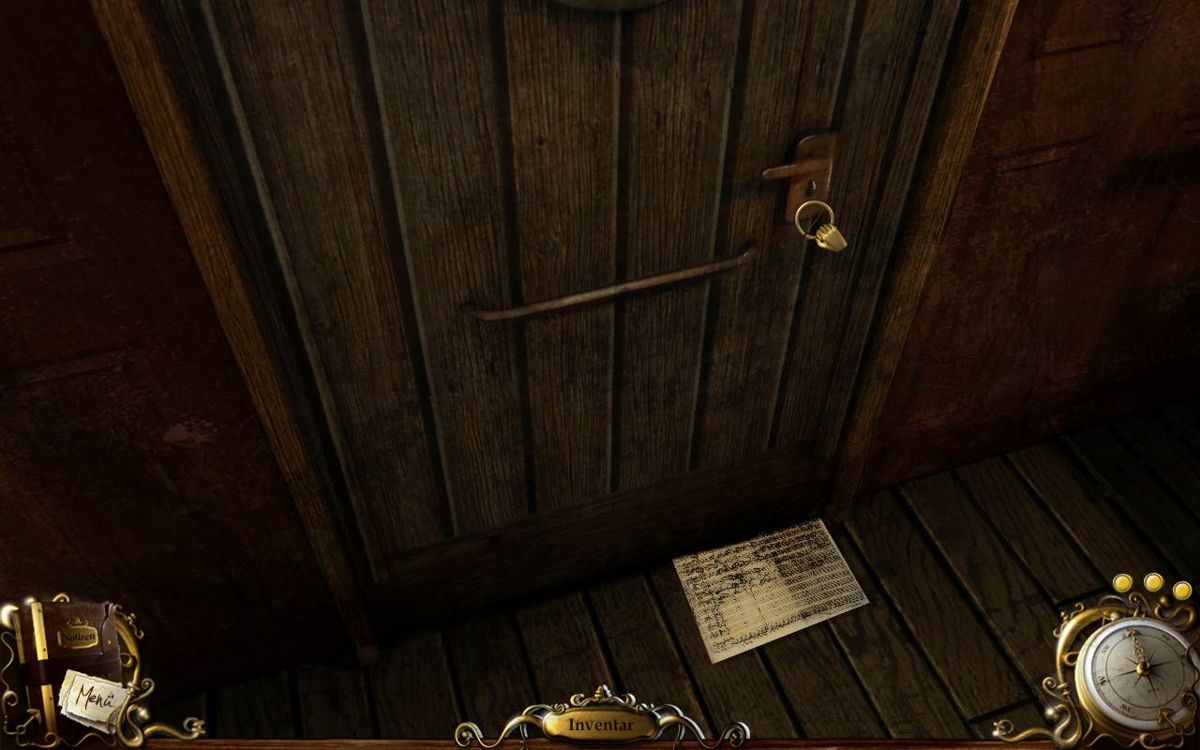
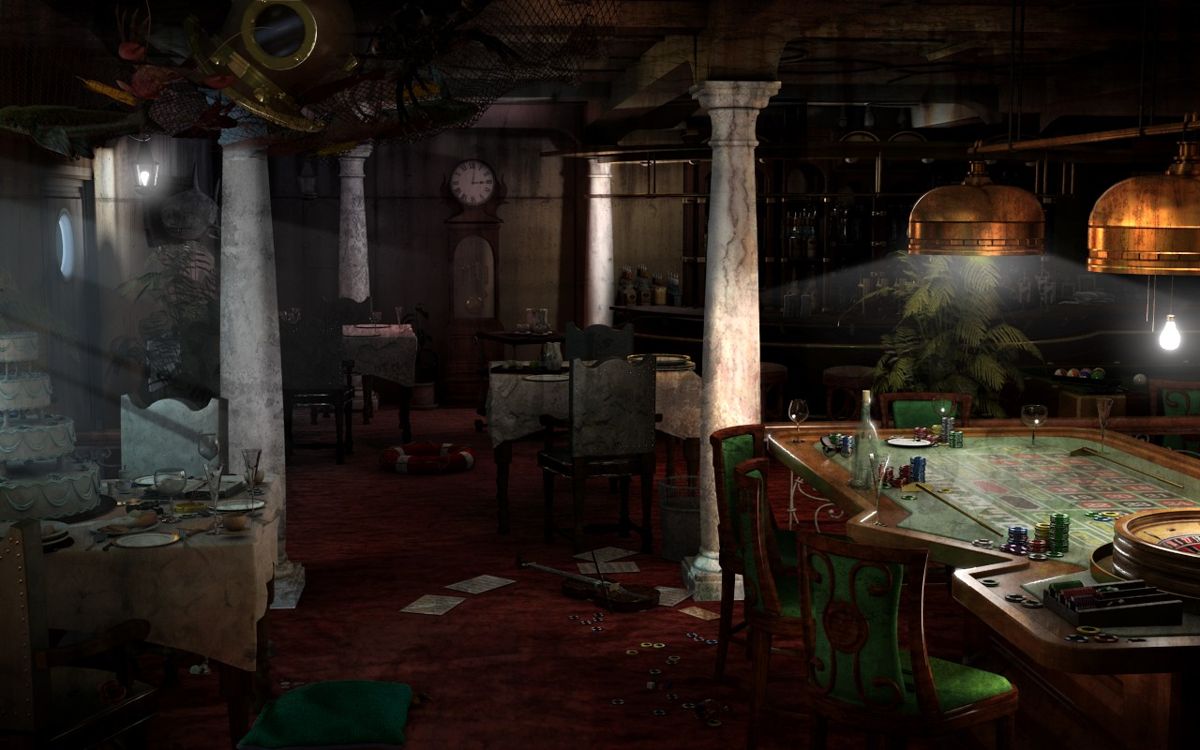
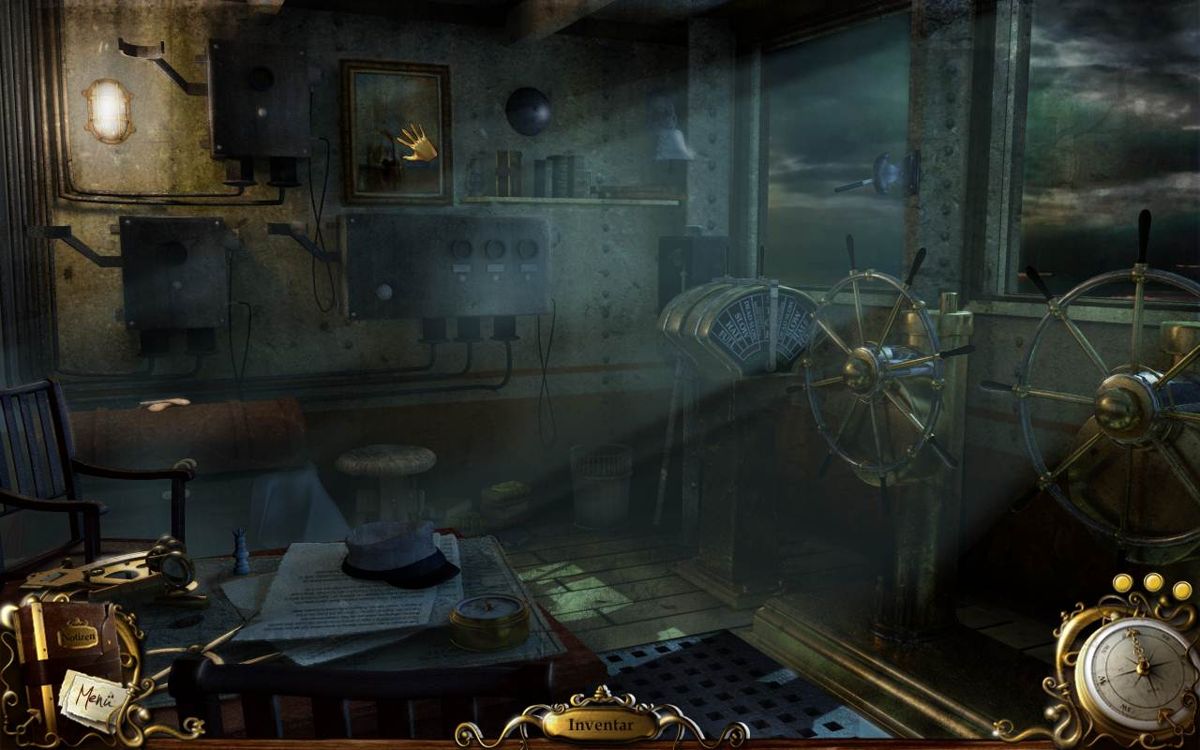
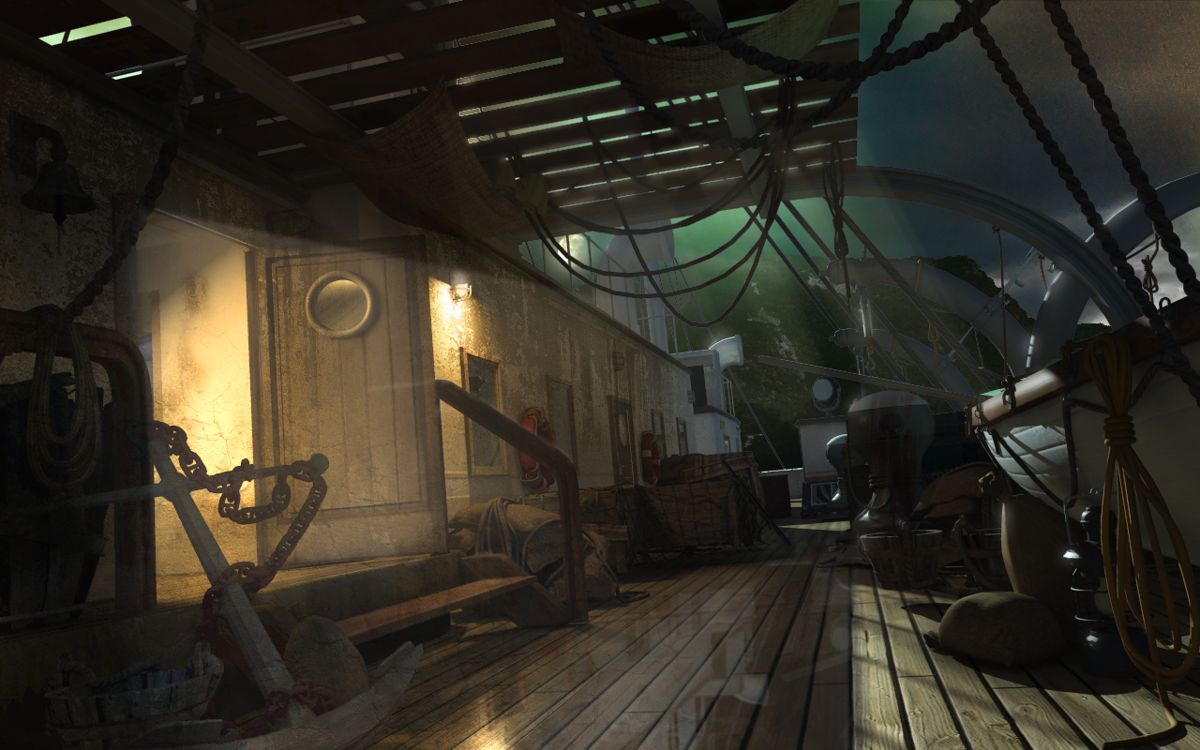
The first-person viewpoint keeps you in the role of the woman exploring the Pride, while the hidden-object screens put the focus on searching through the ship’s spaces for items that match each clue. The old-ship setting and ghostly mystery give those searches a naturally eerie frame.
Story
The setup is simple and effective. A woman and her crew are sailing when an old vessel called the Pride hits their boat. She wakes aboard that ship, separated from the safety of her own crew and forced to find a way off. It is a familiar ghost-story doorway, but it gets you into the mystery quickly.
The ghost encounter gives the plot its needed question mark. This is not just an obstacle standing between you and an exit; it appears to matter more as the mystery unfolds. That promise gives the adventure a thread to follow beyond the next hidden-object clue.
Do not come in expecting a sprawling detective epic. The story’s job is to keep the ship, the ghost, and your escape connected, and it does that well enough to give the puzzles context. For a shorter mystery built around discovery, the premise is a good fit.
Overall Experience
Curse of the Ghost Ship earns points for trying to make hidden-object searching feel less mechanical. Broad clue categories force you to engage with what you are seeing instead of ticking off a plainly written list, and the shipboard ghost mystery gives that activity a stronger frame than the genre often gets.
That same design will divide people. If you find satisfaction in figuring out why an object belongs, the searches can click nicely. If you hate uncertainty in hidden-object games, the lack of exact targets may feel like the game is withholding information rather than challenging you.
The help points and skippable mini-games make the experience more forgiving than its clue structure initially suggests. That balance makes it easy to recommend to genre regulars who want a slight twist on familiar searching, especially if a compact supernatural escape mystery sounds like a good way to spend an evening. It is less persuasive for anyone looking for dense adventure-game interaction or a purely relaxed object hunt.


Reviews
There are no reviews yet.