 Retro Replay Retro Gaming History, Reviews & Emulation


Retro Replay Review
Gameplay
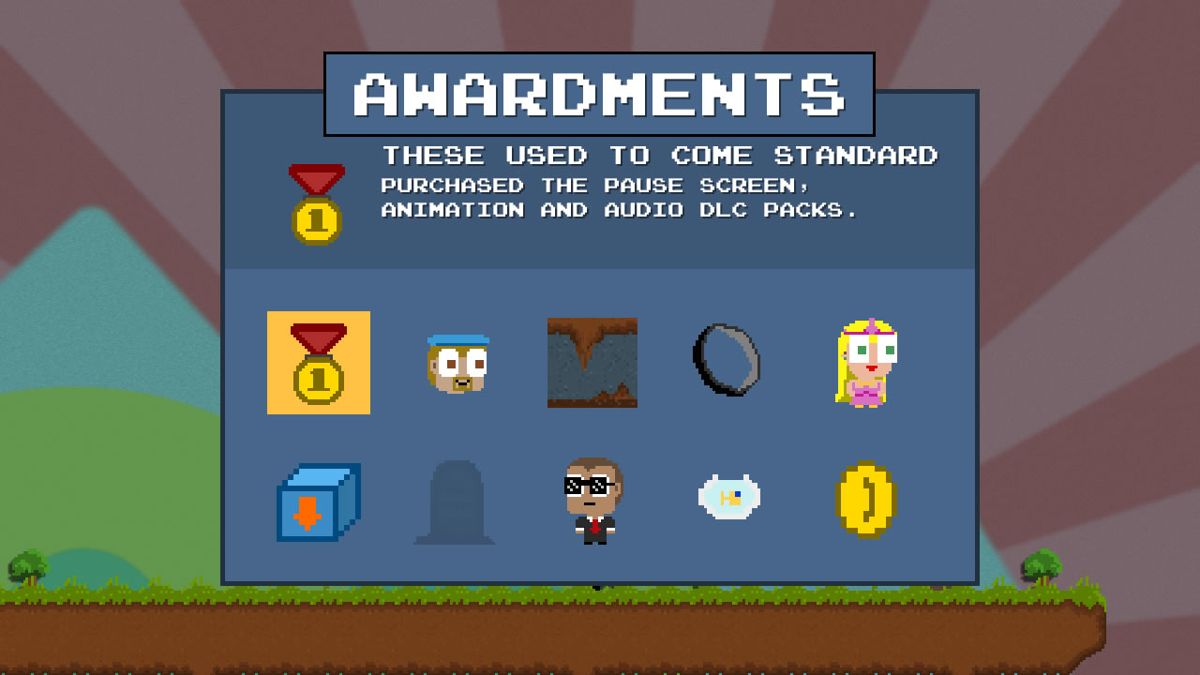
The first few minutes of DLC Quest are amusingly restrictive. You can move in only one direction and cannot jump, while a shopkeeper happily offers the sort of basic functions most games would give you before the title screen. Collecting coins to purchase movement, animation, sound, and other essentials turns the act of learning the game into the punchline. It is a joke with enough mechanical follow-through that you are not merely reading satire; you are feeling the inconvenience it is mocking.
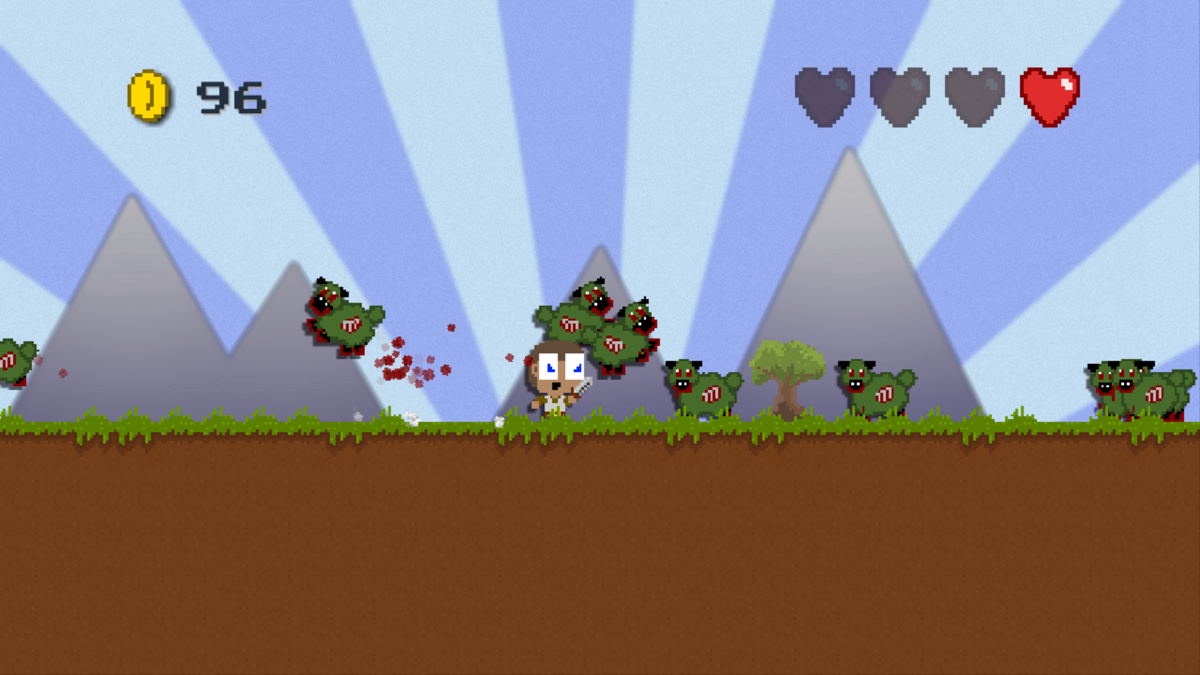
Once the early upgrades start rolling in, this becomes a straightforward side-view platformer with more options. Double jumping opens up movement, while combat eventually adds a sword and a gun. New DLC packs are not simply handed over in a list: some appear after you reach particular places or uncover treasures, giving the brief adventure a little reason to keep poking around. That structure makes each coin pickup feel purposeful, even when the game is deliberately needling you about grinding.
Do not come in expecting deep platforming or a finely tuned combat challenge. The controls and objectives exist primarily to carry the next gag, and that can make the actual running, jumping, and fighting feel thin once you have settled into the premise. Still, DLC Quest understands that satire needs momentum. It keeps finding fresh ways to turn paid upgrades into obstacles, rewards, and absurdities, from a pause function treated as premium content to pricey horse armour.
The best advice is to play along with the joke rather than fight it. The restrictions are intentionally irritating, and the game repeatedly asks you to spend coins on things that should obviously be standard. If that idea makes you grin, the progression will click. If it already sounds exhausting, the humor may wear out before the rescue mission does.

Graphics
DLC Quest uses a simple 2D side-view look built around platforming areas, coin pickups, NPCs, and the shopkeeper who dispenses its many upgrades. The deliberately missing animation and sound at the beginning are part of the gag, so buying them gives the early screens a small but satisfying transformation.
Cosmetic DLC supplies some of the clearest visual jokes: a fancy outfit, a top hat, harmless zombies, and extravagantly expensive horse armour. These extras are more amusing than essential, which is exactly the point.
Story
The story is knowingly basic: a bad guy kidnaps a princess, and you set out to rescue her. DLC Quest does not lean on that setup for drama. It uses the most familiar possible videogame objective as a frame for jokes about the hoops games make you jump through before allowing you to do what the quest supposedly demands.
Its broader target is commercial game culture of its era. You run into filler NPCs, quest-givers who nag you, Final Fantasy-style enemy encounter swirls, and progression slowed by a “Time is Money” purchase. None of this is subtle, but it does not need to be. The game’s humor works best when a familiar annoyance is turned into something you literally have to buy.
An alternate “real” ending locked behind DLC is the sharpest extension of that premise. It turns the usual promise of a better ending into another transaction, pushing the satire beyond surface-level references. The rescue plot remains slight, but the game gets real mileage from making its story rewards part of the joke.
Overall Experience
DLC Quest is a small, focused parody that gets in, makes its point, and keeps moving. Its strongest moments arrive when the joke and the action are inseparable: paying for a basic ability, finding an upgrade that changes where you can go, or realizing that a cosmetic purchase is hilariously overpriced. The humor is broad, but it is grounded in frustrations many gamers will recognize immediately.
The trade-off is that the game is more memorable as a comic concept than as a platformer. The action does enough to support the progression, not enough to stand on its own once the jokes stop landing. At a 6.6, it sits comfortably as an entertaining curiosity rather than an essential genre pick.
Give it a chance if you want a short, self-aware jab at DLC excess and are happy with light platforming around it. Skip it if you need your platform games to offer demanding movement, substantial combat, or a story with more weight than a deliberately clichéd princess rescue. For the right mood, its central gag remains pleasingly mean-spirited toward the worst habits of game monetization.



Reviews
There are no reviews yet.