 Retro Replay Retro Gaming History, Reviews & Emulation

Retro Replay Review
Gameplay
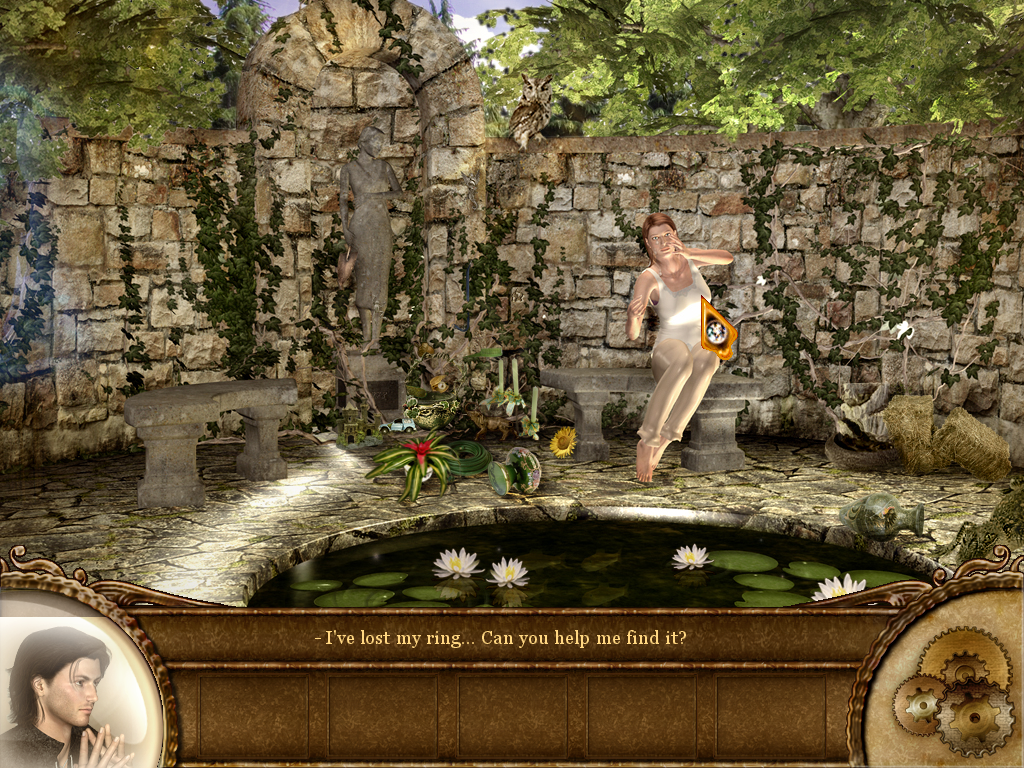
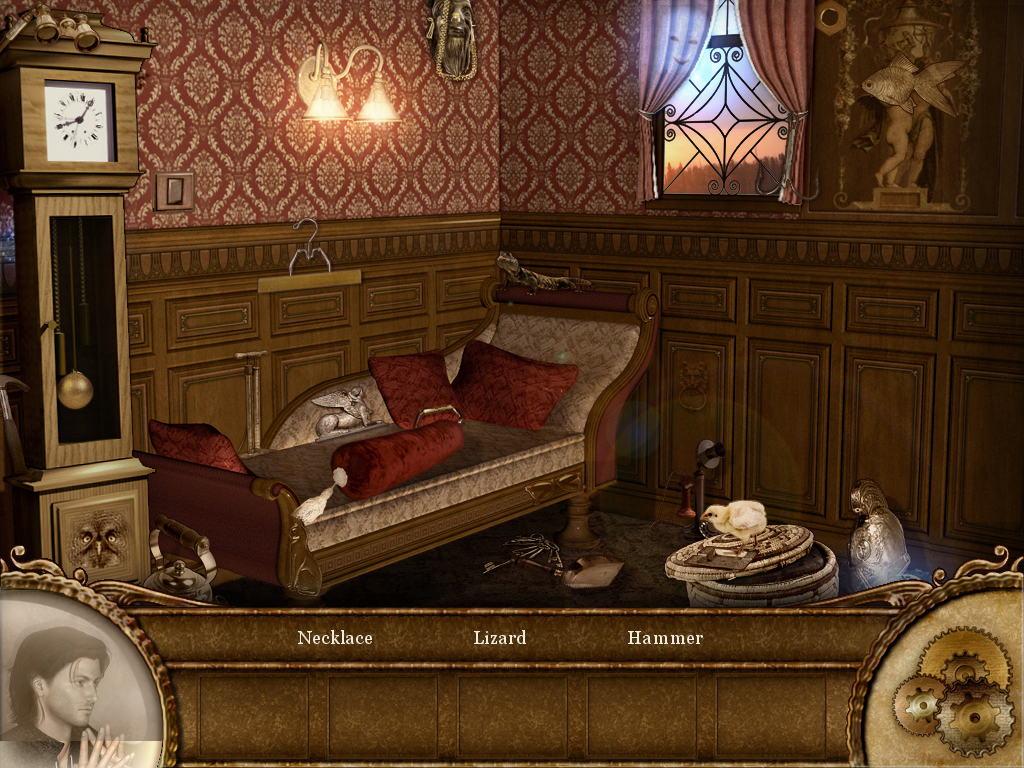
The first stretch has a straightforward, dependable hook: you are trapped in Dominic Crane’s nightmare, doors are locked, and every room might contain the key or tool that gets you one step closer to getting out. Moving through connected locations gives the searches a sense of direction. You are not simply clearing isolated scenes for a score; you are building a route through a closed-off dreamscape.
Most of your time goes into finding listed objects, but the inventory is what keeps the game from becoming entirely mechanical. Some discoveries are saved for later, then dragged onto the appropriate place to solve a problem in the manner of a point-and-click adventure. That small layer of cause and effect is welcome. When you remember an earlier obstacle and finally have the right item for it, progress feels earned rather than handed over.
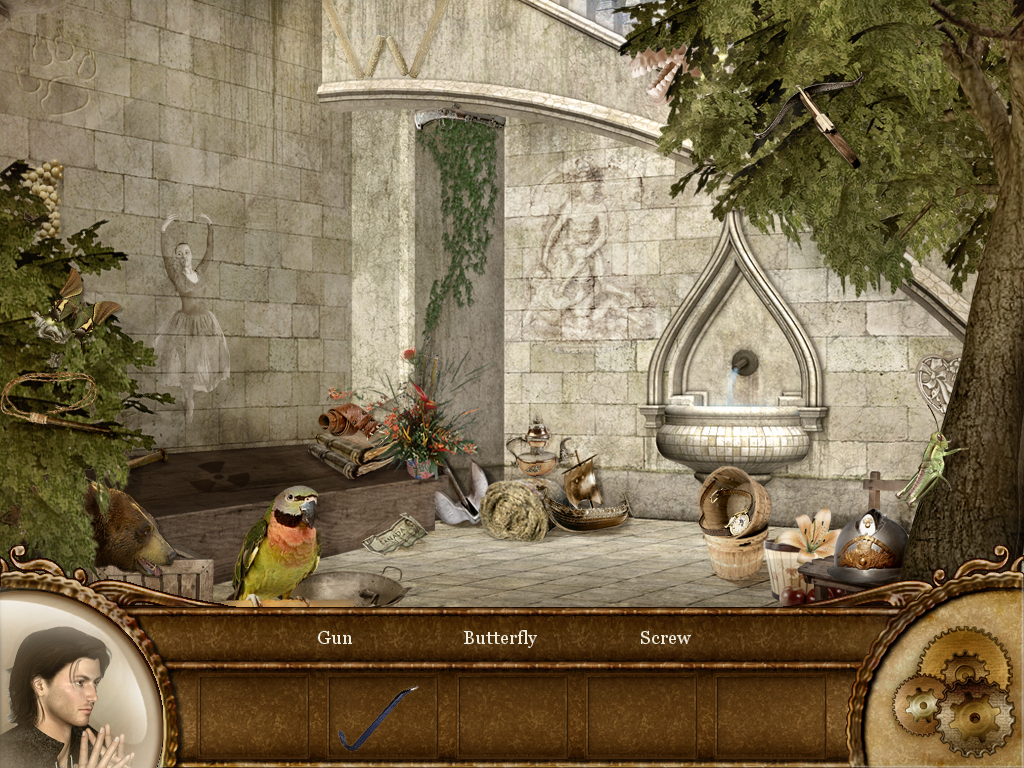
The hint system is sensible for the genre. Dominic’s portrait points out a needed item, then has to recharge, so you can rescue a stalled search without turning every scene into a sequence of instant answers. Use it when your eyes have genuinely stopped finding new angles; repeatedly leaning on it risks draining the little satisfaction that comes from spotting a well-hidden object yourself.
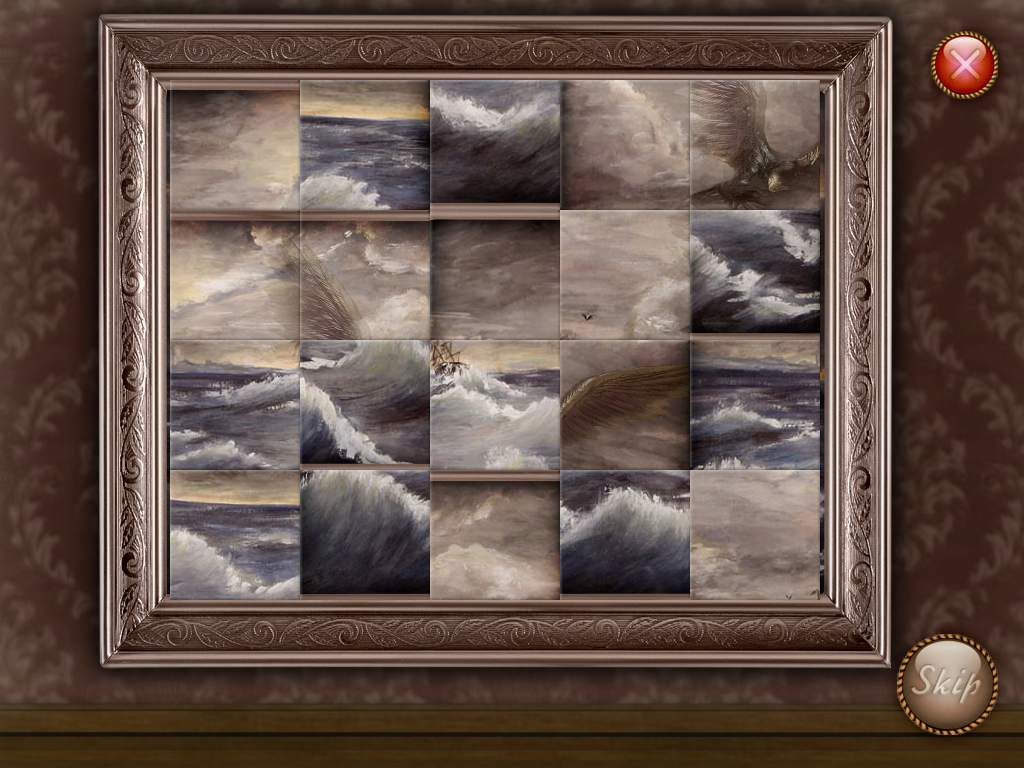
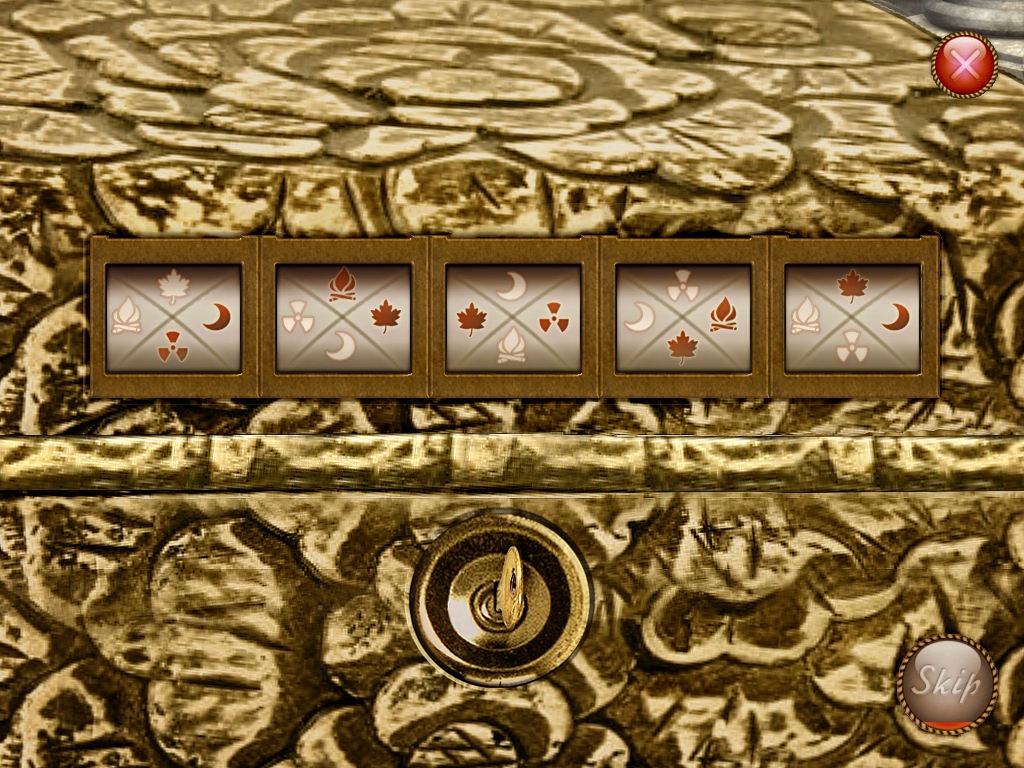
Separate puzzle screens supply the usual breaks in the hunt: assembling jigsaws, sliding blocks to free a ring, matching flipped coins, and arranging clockwork gears. They do their job, though they are familiar casual-game exercises rather than the sort of puzzles that redefine the experience. The overall rhythm works best in short sessions, when another locked door and another small puzzle feel inviting instead of repetitive.
Graphics
The game takes place across the connected rooms of Dominic’s nightmare, with a first-person view that keeps your attention on the objects scattered around each location. Dominic’s portrait sits at the bottom-left as the hint button, making the interface’s most useful aid easy to find when a search turns stubborn.
Story
Dominic is an artist plagued by nightmares of a place he has never visited, and that is a strong enough setup for this kind of mystery. The immediate question is not merely how to open the next door, but why this particular place has lodged itself so deeply in his mind.
A hypnosis session with a psychiatrist frames the journey inward. That choice gives the dream locations a personal stake: escaping back to reality is tied to uncovering what Dominic has buried or failed to understand about his visions.
Do not expect the premise to turn the game into a heavily narrated adventure. The mystery mainly gives purpose to the searches, keys, and locked rooms. Still, the nightmare framing is more engaging than a generic hunt for lost objects, and it gives your gradual advance a clear emotional target.
Overall Experience
Dominic Crane’s Dreamscape Mystery is a solid, traditional hidden-object adventure that understands why the format can be relaxing. You search, make a modest deduction, unlock another path, and repeat. The connected-room structure and inventory use give that loop more momentum than a string of unrelated object lists.
Its biggest limitation is also its clearest recommendation: the mini-games are genre staples, not surprises. If jigsaw assembly, pair matching, block puzzles, and gear placement still feel like a pleasant change of pace to you, they fit neatly. If you have exhausted this era of casual puzzle design, the familiarity will set in quickly.
Give it a chance if you want a low-pressure mystery with a dreambound premise and a little adventure-game logic around the searching. The payoff is the steady satisfaction of unraveling a contained escape puzzle, not a radically inventive take on hidden-object games. It is a worthwhile visit for genre regulars who still enjoy the basics done with a bit of structure.



Reviews
There are no reviews yet.