 Retro Replay Retro Gaming History, Reviews & Emulation
Retro Replay Review
Gameplay
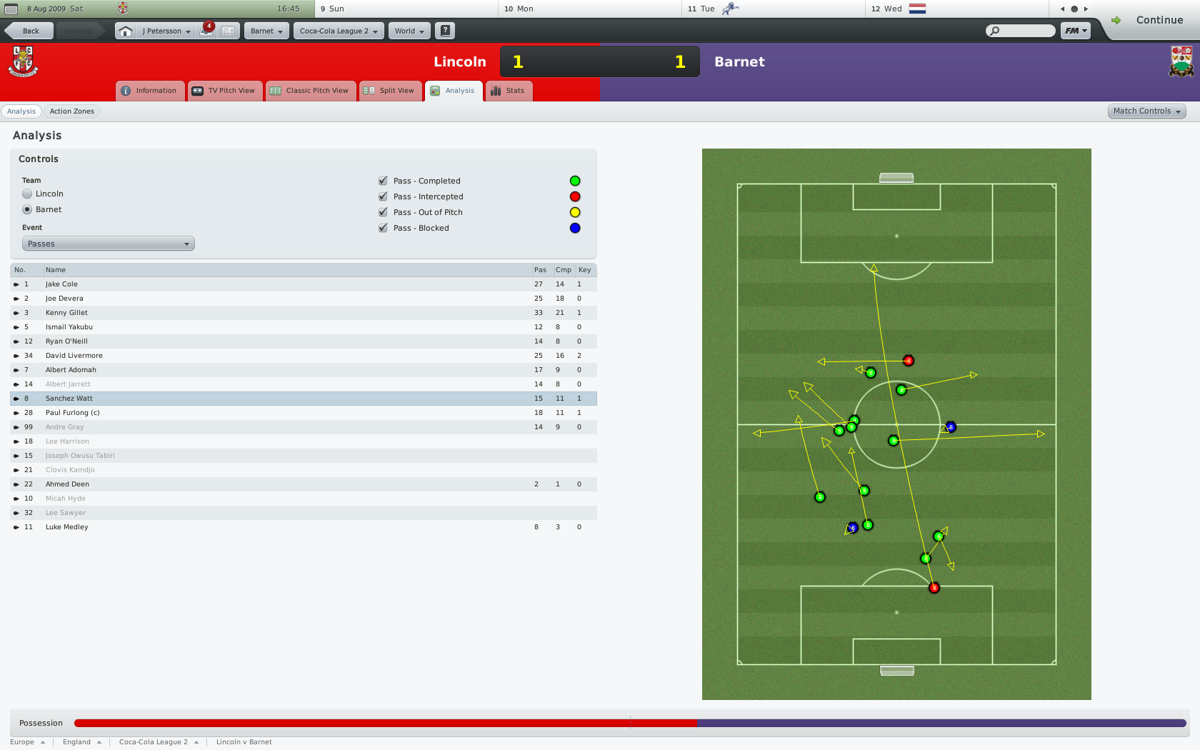
The satisfying part of Football Manager 2010 is the moment a match stops being a result you merely endure and becomes something you can interrogate. A poor performance has a paper trail: shots, passes, crosses, tackles, fouls, interceptions, and more can be mapped across the pitch for both sides. That gives you a far stronger basis for adjustments than simply blaming your strikers or assuming the opposition got lucky.
The revised tactical module is the headline improvement because it lowers the barrier to expressing a plan. There are still thousands of options to work through, so this is not a suddenly lightweight management game, but direct touchline instructions make the tactical side feel more immediate. Better still, the old tactics system remains intact. If you already know how you want to work, the game does not force you to abandon familiar tools.
That density will still test your patience. The analysis and tactical options reward curiosity, but they also invite second-guessing after every disappointing match. Give it time, though, and the complexity begins to feel purposeful. You are looking for patterns, making a call, then returning to the evidence to see whether the call made sense.
Graphics
This is not a game built around spectacle, but the updated 3D match engine makes its presentation more useful than ornamental. One hundred new animations, new stadiums and crowds, improved lighting, and pitch degradation aim to give matches more life while you watch your choices play out.
The visual upgrades matter most because they support the management fantasy. Watching the match in 3D gives a practical sense of how the contest is unfolding, while the analysis tools let you go beyond first impressions afterward. It is a better fit for a simulation than presentation that simply asks to be admired.
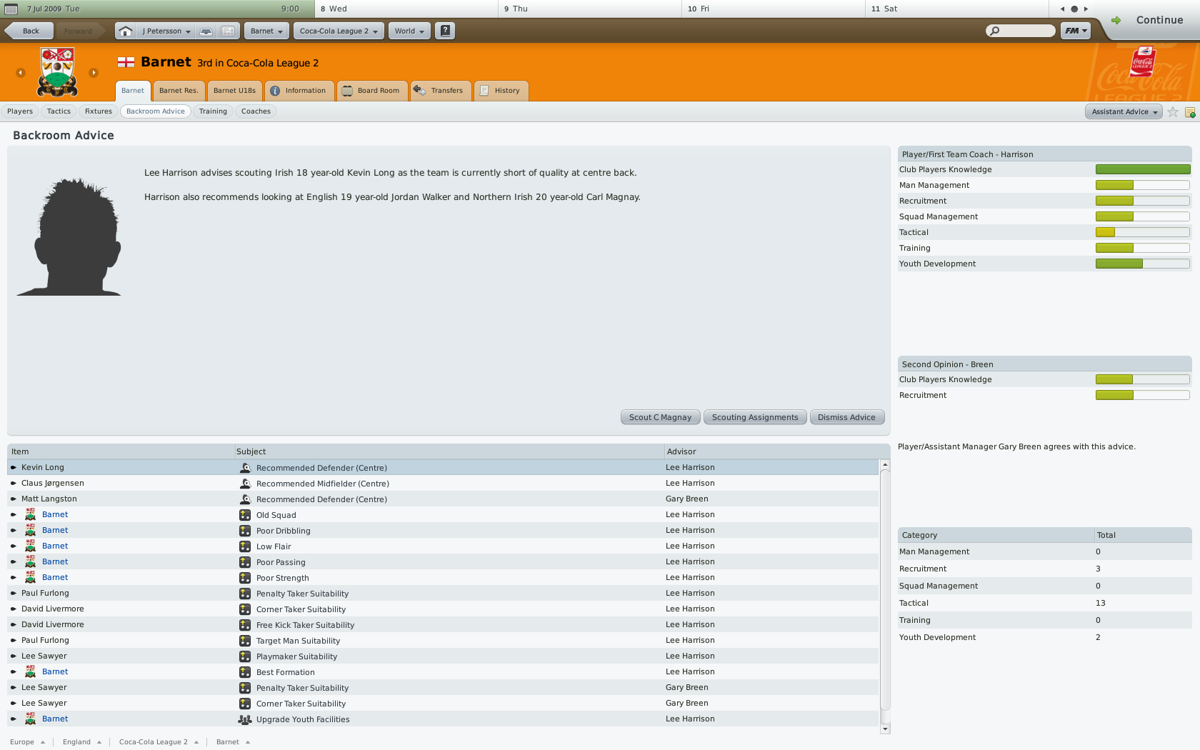
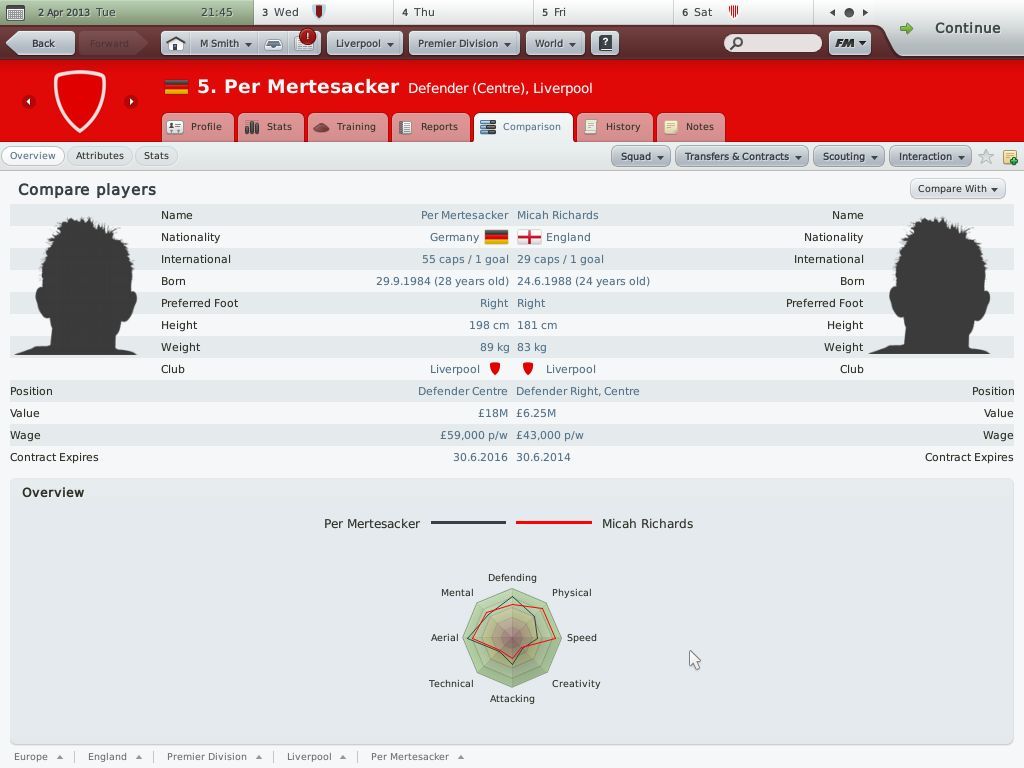
The redesigned interface also deserves credit. Replacing the old side menu with tabs is a sensible navigational decision in a game with this much information to sort through. You will still spend plenty of time in menus and data screens—that is the point—but getting to different areas more quickly helps keep the administrative side from becoming needless friction.
Story
There is no authored narrative here in the conventional sense. The story is the one you assemble from results, tactical corrections, and the gradual accumulation of decisions that define a season.
That makes the match analysis especially valuable. It gives setbacks context. Instead of a defeat being an empty line in a record, you can examine where passes, shots, and defensive actions occurred and form your own explanation for what went wrong.
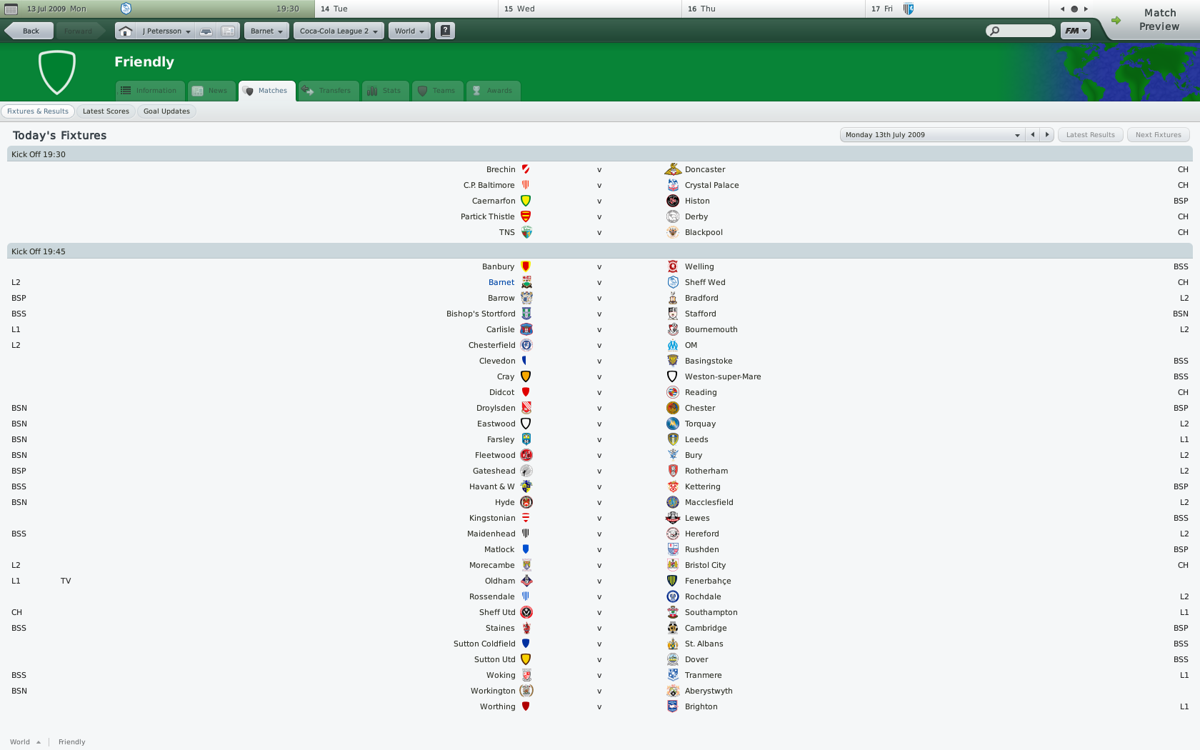
Your career also has a broad stage on which to create that story. With 115 leagues from 51 countries included, the game offers a huge range of footballing contexts. The new data editor extends that further, allowing you to add competitions, extra levels to existing structures, or entirely new leagues.
Overall Experience
Football Manager 2010 is a confident refinement of a demanding formula rather than a reinvention. Its best changes address the point where management simulations can become opaque: the game gives you more ways to understand what happened on the pitch and more ways to respond to it.
It will suit you if you enjoy treating football as a problem to solve, not just a match to watch. The first stretch can feel like an imposing wall of options, particularly when tactics and analysis start asking for careful attention. But the new module and cleaner tabbed navigation make that wall less forbidding without sanding away the detail that series regulars expect.
The payoff is a management game that makes scrutiny feel worthwhile. Improved match presentation helps sell the action, but the real strength is the loop of observation, adjustment, and reassessment. For anyone prepared to engage with that loop, it remains a richly absorbing football simulation.


Reviews
There are no reviews yet.