 Retro Replay Retro Gaming History, Reviews & Emulation

Game Overview
Gameplay
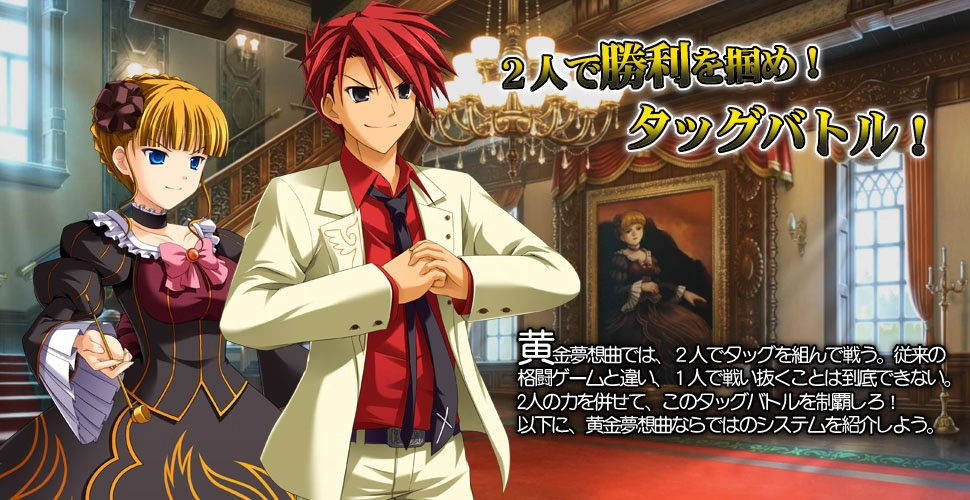
Ōgon Musōkyoku feels lively from the opening match because you are managing a pair rather than settling into one comfortable character rhythm. You choose two fighters, then use the refilling Touch bar to bring the partner in during offense or defense. The best early discovery is that switching is not a retreat. An Attack Touch keeps a combo moving, so the tag system becomes part of your offense instead of a separate, cautious decision.
That freedom has teeth. A normal Touch leaves the departing fighter briefly vulnerable, even as it grants that fighter’s ability to the partner. Defensive tags can interrupt an opponent’s pressure, but they spend partner SP and cannot be thrown out carelessly. The game asks you to recognize when to preserve resources, when to escape, and when to gamble on stealing the turn back. Once that starts clicking, matches become much more than trading hits.
Meta mode is where the game’s arguments get loud. Declaring Meta spends SP, activates both partners’ abilities, and opens the door to powerful Meta attacks. Your opponent can spend resources to dispute or cancel the declaration, with counterdeclarations escalating the standoff. That makes big offense feel contested rather than automatic, and it gives the resource game real drama. It can be frustrating when you spend heavily only to have your plan challenged, but that frustration is also why these moments matter.
This is a fighter for you if tag routing, defensive resource calls, and matchup-specific partner choices sound exciting. It is less welcoming if you only want a loose button-masher, since the important choices arrive quickly and errors have consequences. For a useful point of comparison, Melty Blood is another visual-novel-derived doujin fighter, though Ōgon Musōkyoku builds its identity around two-character teams and Touch decisions. The official Touch-system guide is worthwhile reading once you want to understand the different tag options.
Graphics
The 2D battles pair brightly costumed fighters with lavish interior scenery. In the mansion stage, a red-haired man in a cream suit faces a green-haired, rabbit-eared woman in a blue-and-white dress, while a long gold-orange flame attack cuts across a room packed with a deep red rug, dark wood staircase, chandelier, fireplace, sofa, tall daylight windows, and an oversized framed portrait. The flame and costumes pop nicely against the shadowy furniture, though the ornate backdrop can compete with the small fighters for your attention.
Story
Ōgon Musōkyoku draws its roster and framing from the Umineko world, bringing its characters into a competitive one-on-one fight structure with two-person teams. That source connection gives the cast a built-in sense of personality and conflict, especially if you already know these characters outside the fighting game.
Do not come to it expecting the full visual novel experience or a substitute for Umineko’s larger mystery. The focus here is on confrontations expressed through matches, character pairings, abilities, and Meta disputes. That narrower framing is sensible for a fighter, even if it means the appeal lands most strongly when you are already curious about the cast.
For newcomers, the fighting systems can still carry the experience because the central drama is mechanical: partners exchange places, abilities overlap, and expensive declarations invite rebuttal. Fans of Umineko will likely get more from seeing familiar faces share the screen, while everyone else can treat the setting as flavorful context for an unusually argumentative tag fighter.
Overall Experience
Ōgon Musōkyoku earns its place through the way every Touch choice can swing momentum. It starts as a colorful tag fighter with easy-to-understand swapping, then reveals a more demanding game of vulnerability windows, SP spending, partner abilities, and Meta challenges. The payoff is a match flow that stays tense because neither offense nor defense feels completely secure.
The learning curve can bite. You need to understand why an Attack Touch differs from a normal switch, when a defensive interruption is worth its cost, and how much you are willing to risk in a Meta declaration. Still, these are meaningful complications rather than empty rules. Practice turns apparent chaos into informed aggression, which is exactly where the game becomes satisfying.
Give it a chance if you want a focused 2D fighter that makes team composition and mid-match swaps central to its identity. Umineko familiarity adds flavor, but the strongest recommendation is for gamers who enjoy discovering how a resource system changes the emotional weight of every attack. It is a specialized fighter, yet a genuinely memorable one once its confrontational tag game settles into your hands.


Reviews
There are no reviews yet.