 Retro Replay Retro Gaming History, Reviews & Emulation

Retro Replay Review
Gameplay
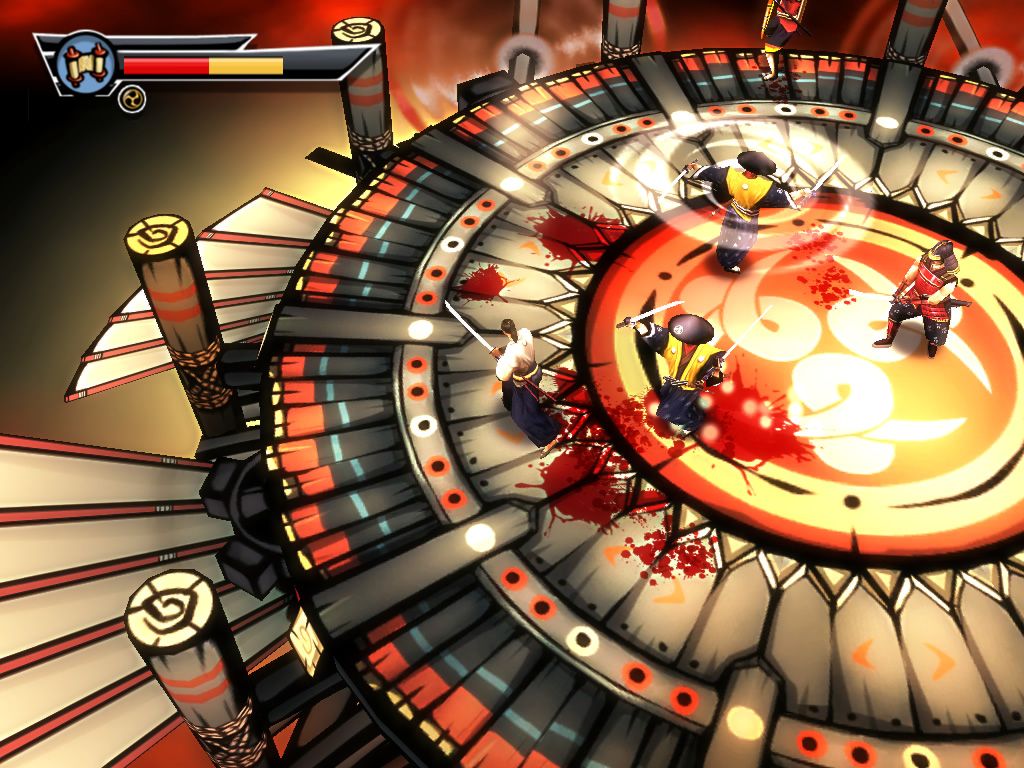
Samurai II: Vengeance understands that a good hack-and-slash game needs to make the first few minutes feel immediate. You step into Daisuke Shimada’s sandals, enemies arrive, the area is sealed with a padlock, and the game asks you to clear the room before moving on. It is a clean, old-fashioned setup, but it works because each encounter quickly pushes you beyond button-mashing. Even early on, you are dealing with several attackers at once, so standing your ground and throwing out attacks blindly is an efficient route to getting cut down.
The basic toolset is lean: light attacks, heavy attacks, blocks to break, and a roll for getting out of danger. What starts to click is the need to reposition. Dodging a slash and reaching an opponent’s back gives you access to a one-hit kill, turning a defensive move into a very satisfying counterattack. Combos can also break through guarding enemies, which gives the fighting a welcome sense of progression as you learn which attacks are useful when a crowd begins closing in.
That rhythm is the reason to play it. You are not simply clearing enemies; you are trying to keep a group from surrounding you, looking for the split-second opening to roll through danger and punish someone from behind. The close-in, slowed-down execution animations—where Daisuke beheads or cuts open an opponent—make those openings land with appropriate force. They are rewards for good positioning, not merely decoration.
Karma arrives from defeated enemies and breakable barrels, then goes into new combos or a larger health bar at the item store. That is a modest upgrade loop, yet it suits a compact action game: you earn more options by fighting, then use those options to handle tougher groups with more confidence. The dojo challenge mode is also a sensible extra, stripping the game down to survival against waves of attackers for anyone who wants to keep testing their combat discipline.
Not every detour is likely to be as gripping as the swordplay. Lever-based puzzles and side-scrolling obstacle sequences provide changes of pace, but the core loop is clearly at its strongest when an arena locks, blades come out, and you have to fight your way through. If you enjoy direct, crowd-control-focused action and can appreciate a game that does not bury its best idea under excess systems, the payoff is there.
Graphics
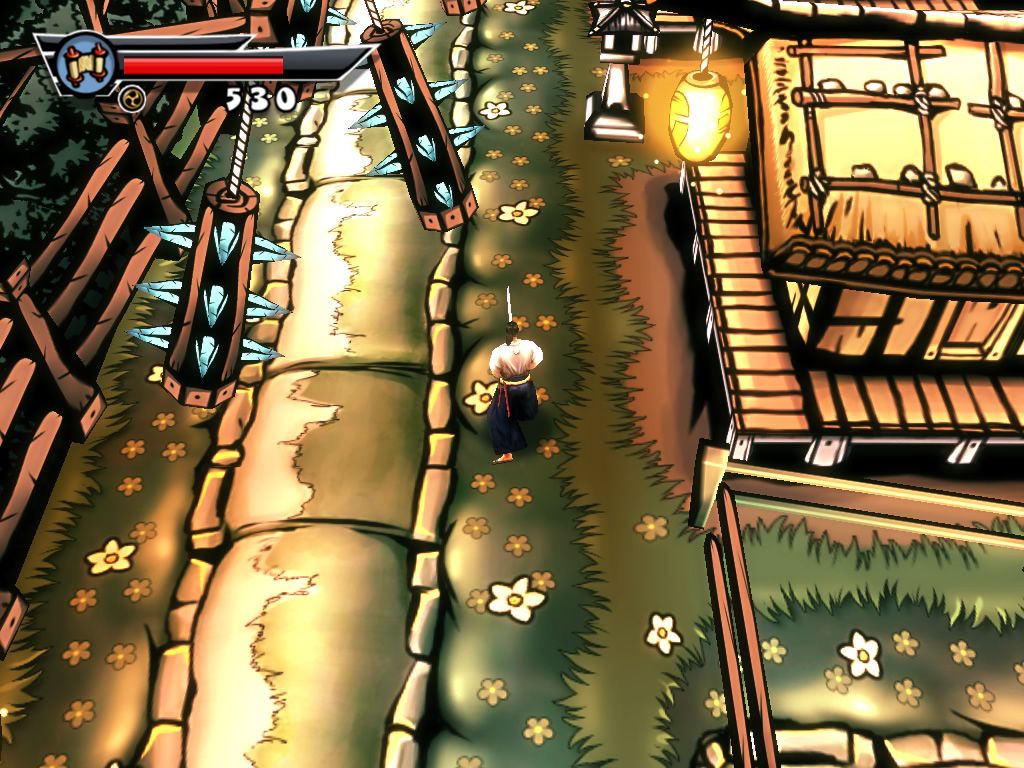
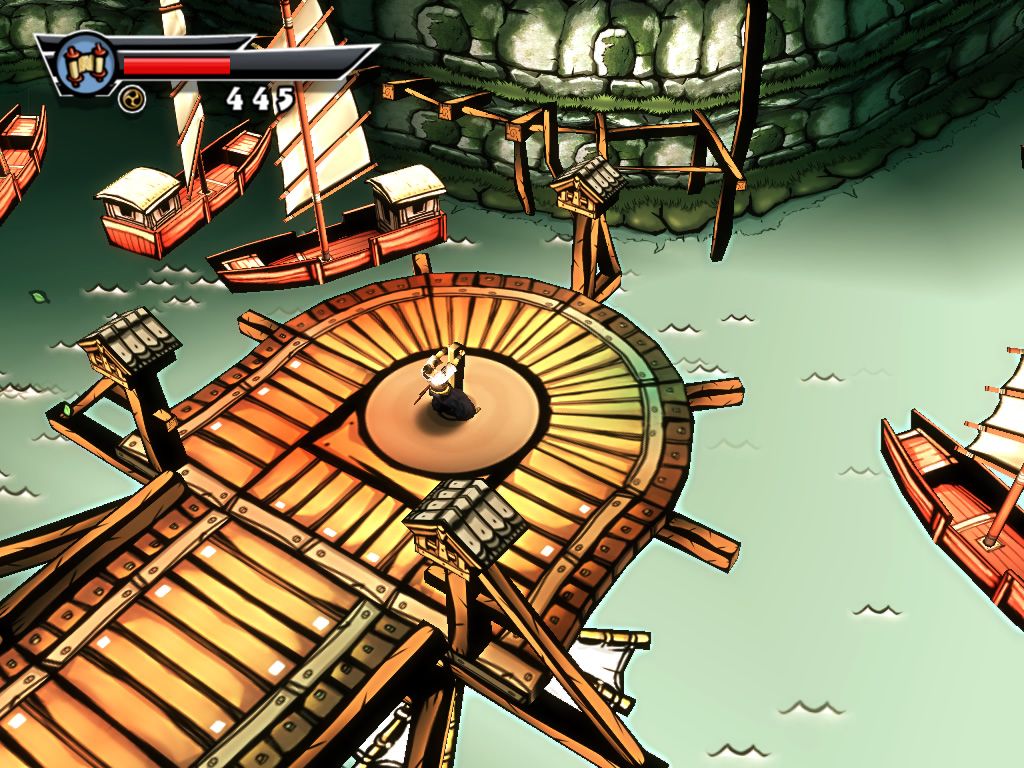
The game moves from countryside and villages to a flying fortress, giving its succession of combat spaces some welcome variety. During finishing moves, the camera zooms in and slows the action as Daisuke delivers a beheading or another lethal cut, making the most dramatic attacks easy to register.

Story
This is a revenge story with little interest in detours: lone samurai Daisuke Shimada is hunting his arch-enemy, Orochi, through Sengoku-period Japan. That directness fits the game’s structure. Each new location is another step on the road to the target, not an excuse to stop the momentum for lengthy exposition.
The story is delivered through static comic-book panels, an approach that keeps the emphasis on moving from one fight to the next. You should not come in expecting a densely developed historical drama; the narrative is a frame for Daisuke’s pursuit and the escalating journey through villages, countryside, and the fortress.
That said, revenge is a sturdy motivation for this sort of game. You always know why Daisuke is drawing his sword, and the stripped-back setup leaves room for the combat to carry the emotional weight. Every locked-down encounter becomes another obstacle between him and Orochi.
Overall Experience
Samurai II: Vengeance is a satisfying, concentrated action game built around the pleasure of surviving a messy swordfight through smart movement. Its controls and objectives are easy to grasp, but it earns its better moments when you stop treating every enemy alike: evade, get around a guard, and take the decisive strike when it opens up.
The limited move set is a virtue for gamers who prefer an action game with a clear center. New combos and health upgrades add enough reason to collect karma without turning the experience into a gear chase, while the dojo offers a worthwhile place to revisit the combat after the main route is done.
Give it a chance if you want a brisk samurai brawler where positioning matters more than elaborate character builds. The puzzle and obstacle interludes may not be the main draw, but the central swordplay has enough bite to make Daisuke’s revenge trip worth taking—especially once you find the flow of dodge, flank, and finish.


Reviews
There are no reviews yet.