 Retro Replay Retro Gaming History, Reviews & Emulation


Retro Replay Review
Gameplay
The first hour of Shattered Suns has a satisfying sense of recovery. You are not simply building a fresh army for one match and throwing it away afterward; ships and resources can carry from mission to mission, so an early decision can become part of a much larger plan. That persistence gives every loss, upgrade, and reserve of resources more weight than it would have in a typical reset-heavy RTS.
Customization is the heart of it. Starting from a basic ship or station, you can upgrade components freely and add weapons or construction ability to any ship. That opens the door to fleet planning with real personality. You can lean into combat power, make construction a larger part of your force, or shape stations around what the next fight demands. If you enjoy looking at a unit and thinking about what it could become rather than accepting a fixed role, this is where the game earns your attention.
The orbital battlefield is more than scenery. Stations orbit planets and moons, and those moons and planets shift over the course of a battle, forcing you to reconsider positioning and tactics. That is a smart complication for space combat, but it can also be where frustration sets in if you want clean, static lanes and a simple attack order. Success asks you to keep watching the larger field, not merely pile ships into a fight.
Outside the campaign, skirmish offers a useful range of goals. Annihilation is the direct all-enemies-destroyed contest, while 30- and 60-minute modes ask you to survive and the wealth modes ask you to reach 50,000 or 100,000 resources. These modes fit the game’s systems well because they reward different priorities: aggression, endurance, or economic growth. The variety makes experimentation with customized fleets feel purposeful instead of purely theoretical.

Graphics
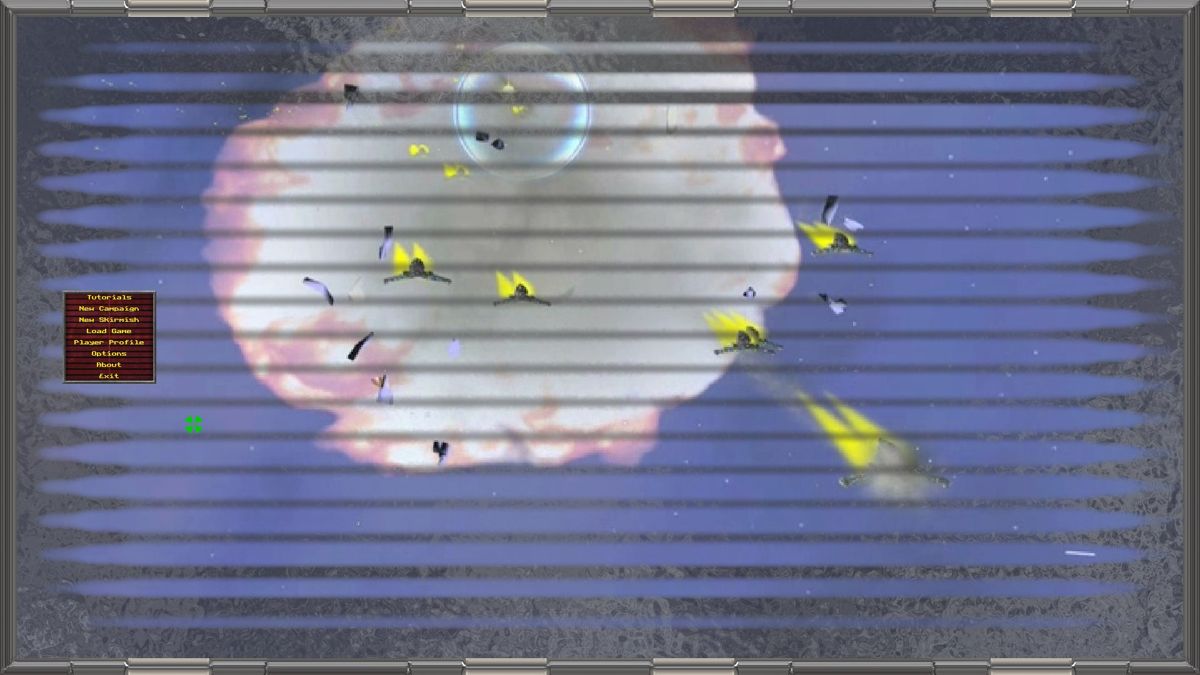
The game’s 3D space battles put ships and orbiting stations around planets, moons, and stars. The most distinctive sight is not a single ship design but the changing arrangement of those celestial bodies as they move through an engagement; it gives the battlefield a living, mechanical layout rather than a blank patch of space.

Story
You play Captain Max, a Statian veteran drafted back into service after the Qalani and Trexites empires join forces. It is familiar underdog-against-an-empire material, but it has a dependable campaign-game pull: you are sent back into war because the situation is too bad for anyone else to handle.
The missing-fiancée thread gives Max a personal reason to keep pushing beyond the military briefing. Her ship vanished during the initial attack, and that unanswered loss adds a useful human stake to a conflict otherwise built around fleets, stations, and resources.
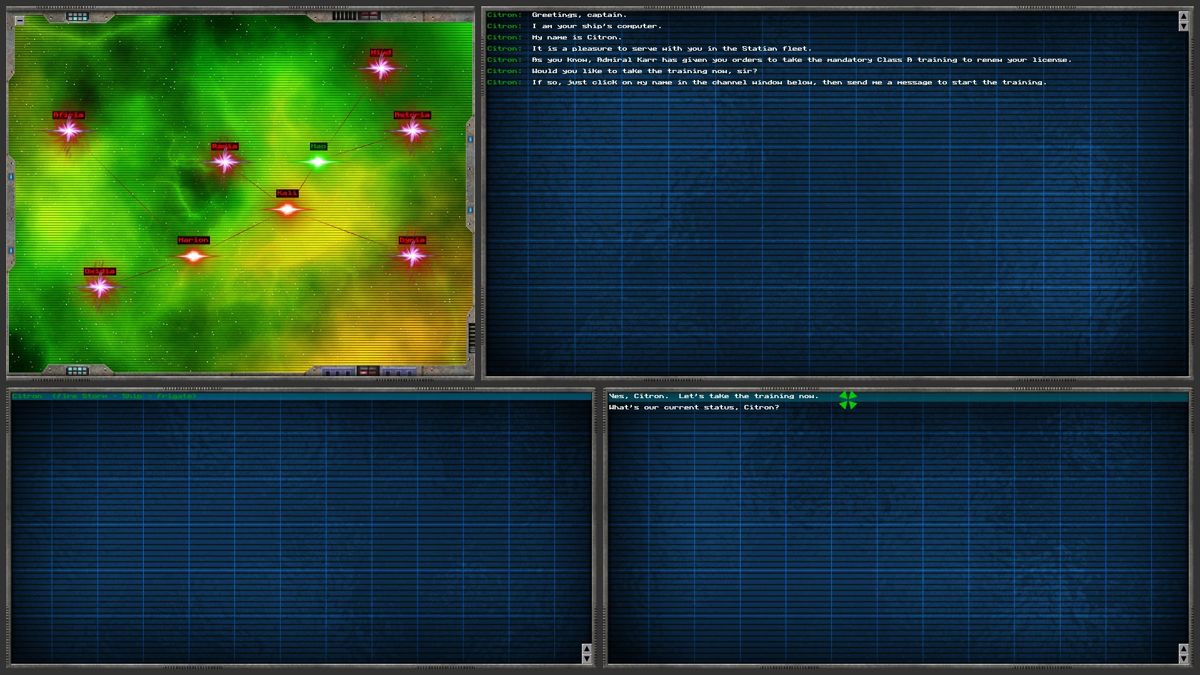
Story scenes arrive between missions, and you choose Max’s responses, giving you some control over how the campaign unfolds. Do not expect that choice to replace the strategy layer; its value is in letting you put a little of your own attitude into the commander you are guiding through the war.
Overall Experience
Shattered Suns is for the strategy fan who wants a campaign to remember what they built. Carrying ships and resources forward turns customization into more than a pre-match toy, and the moving planetary layouts stop battles from becoming entirely routine. When the pieces click, you are managing a continuing war effort, not just winning the current map.
Its demands are also clear. You need to enjoy revising plans as orbital positions change, and you need to get satisfaction from long-term force development. If your ideal RTS is fast, disposable matches with fixed battlefields, its broader strategic commitments may feel like work rather than drama.
For anyone who likes space strategy with a persistent fleet and room to build unusual ship and station roles, it is worth a serious look. The campaign’s personal stakes and dialogue choices provide a serviceable reason to continue, but the real payoff is seeing earlier investment turn into a stronger, more adaptable force when later missions raise the pressure.


Reviews
There are no reviews yet.