 Retro Replay Retro Gaming History, Reviews & Emulation
Retro Replay Review
Gameplay
The best moments in Tenchu: Shadow Assassins come when you enter a mission with a clear objective and resist the urge to treat it like an ordinary action game. You are working through ten story stages as either Rikimaru or Ayame, and the game wants patience: move carefully, avoid attention, and finish the required tasks cleanly. That slower, more deliberate rhythm is the point, and it feels right for a Tenchu game built around ninja work rather than constant swordplay.
Its strongest design choice is also its most irritating one. Open combat is only an option when your character has a sword. If you are unarmed and discovered, the answer is not to stand your ground; you need to use ninjutsu to get away and retreat to the last checkpoint. That rule gives being caught real consequences, so stealth has teeth. It can also frustrate you when you wanted a messy recovery instead of a reset, especially after a mistake late in an objective.
The 50 assignments are a smart counterweight to the longer campaign missions. These shorter challenges often concentrate on a specific technique, making them useful both as extra content and as a way to get more comfortable with the game’s stealth-first demands. If the main story’s checkpoints test your patience, assignments can be the more immediately satisfying way to play: focused goals, less commitment, and a better excuse to refine how you approach a situation.
Graphics
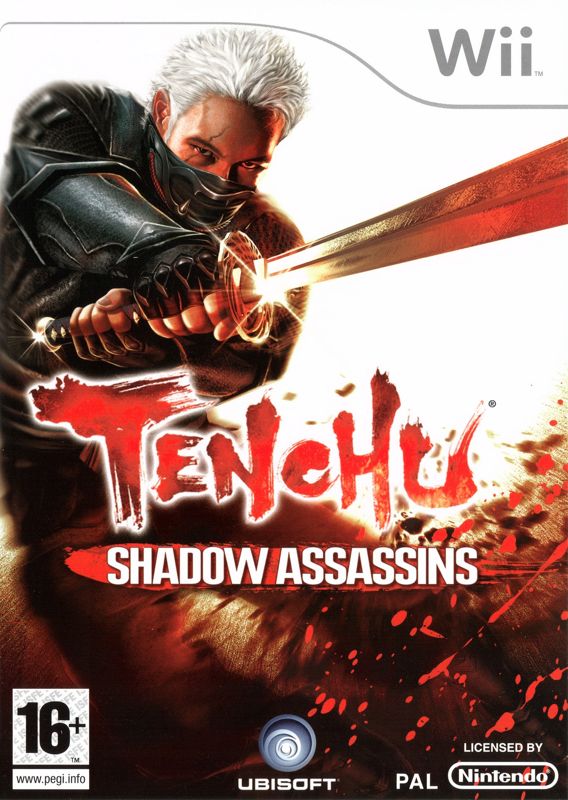
Shadow Assassins uses a third-person view that keeps Rikimaru or Ayame in front of you as they move through its ancient Japanese fantasy setting. The visual draw is the ninja-and-feudal-Japan atmosphere rather than elaborate spectacle: you are looking at covert operatives, hostile spaces, and mission-focused environments built to frame sneaking and pursuit.
Story
The plot starts with useful urgency. Lord Gohda’s land is unsettled by rumors of corruption and betrayal, so Rikimaru and Ayame are sent to investigate. Before that mystery can settle in, Gohda’s daughter Kiku is kidnapped by a supposed fortune-teller who is really an agent of evil. It is a direct setup, but it gives the missions a personal stake beyond simply clearing maps.
The split between the two leads gives the story its most interesting bit of tension. Ayame rushes after Kiku in anger, while Rikimaru stays on the trail of the wider conspiracy. That contrast keeps the campaign from feeling like one uninterrupted rescue mission and makes the shifting playable character feel motivated by the story rather than arbitrary.
Do not come in expecting a sprawling political epic. The narrative is a clean framework for stealth missions, kidnappings, betrayal, and investigation. Still, it does enough to make the objectives feel connected, and the ancient Japanese fantasy setting suits Tenchu’s covert, suspicious mood well.
Overall Experience
This is a decent Tenchu entry for you if what you want from the series is stricter stealth, not a more forgiving action game. The first hour establishes the core bargain quickly: stay hidden, complete objectives, and accept that getting exposed can cost you real progress. Once that discipline clicks, successful missions have a satisfying sense of control.
That same commitment makes the game uneven. Being forced to escape and return to a checkpoint when caught without a sword can turn one bad moment into a sour one, and there is no hiding that the design asks you to tolerate failure more than many stealth-action games do. Yet the assignments help soften the campaign’s rougher edges by offering smaller, technique-driven challenges.
At 6.6, Tenchu: Shadow Assassins lands as a respectable but narrow recommendation: worthwhile for stealth devotees and longtime ninja-game fans, less so if you want flexible combat or effortless recovery after an alarm. For game-specific background and release history, see Tenchu: Shadow Assassins’ history. The payoff is there when you embrace its rules, but it asks you to meet it more than halfway.


Reviews
There are no reviews yet.