 Retro Replay Retro Gaming History, Reviews & Emulation


Retro Replay Review
Gameplay
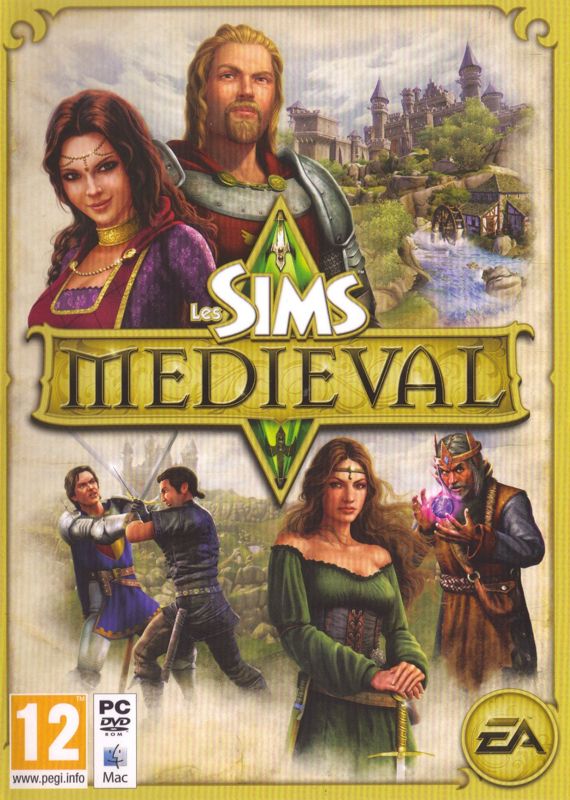
The first hour is a pleasant adjustment if you arrive expecting a standard Sims sandbox. Rather than being cut loose to manage a whole household, you pick a hero for a quest and work toward a defined objective. That makes The Sims: Medieval feel more immediate than the main series: there is usually a concrete reason to get your character moving, talking, resting, or working.
The strongest idea is that your chosen profession changes how a quest can unfold. A king can issue edicts, while a mage has spells, so selecting a hero is more than a cosmetic decision. Experience improves profession-specific abilities, and that gives each quest line a useful sense of progress without demanding the broader skill-grinding and six-need balancing of other Sims games.
Need management is lighter, built around mood and work. Keeping mood up through sleep and social interaction, while completing two work activities each day, can affect how well a quest goes. This streamlining is a good fit for the game’s campaign structure, although anyone who loves the dense day-to-day juggling of the main series may find it a little thin.
Control remains indirect: you click on people or objects to suggest an action, then watch the character carry it out. That familiar rhythm is either the charm or the snag. If you enjoy setting up behavior and seeing the resulting animation, it is easy to settle into. If you want constant direct control, the pauses between your decisions and their execution can test your patience.
Graphics
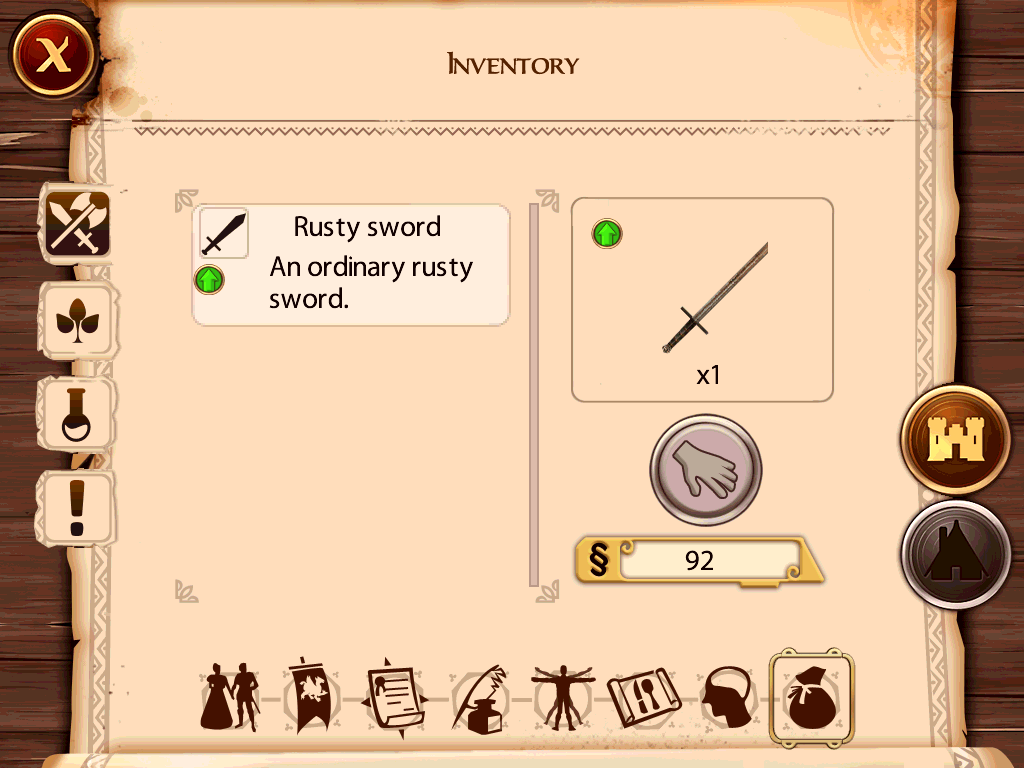
The medieval setting shifts the series away from ordinary homes and into a kingdom populated by heroes with distinct professions. The diagonal-down viewpoint and free camera suit a game where you spend plenty of time watching characters carry out commands, and the animated actions remain central to the experience.
Story
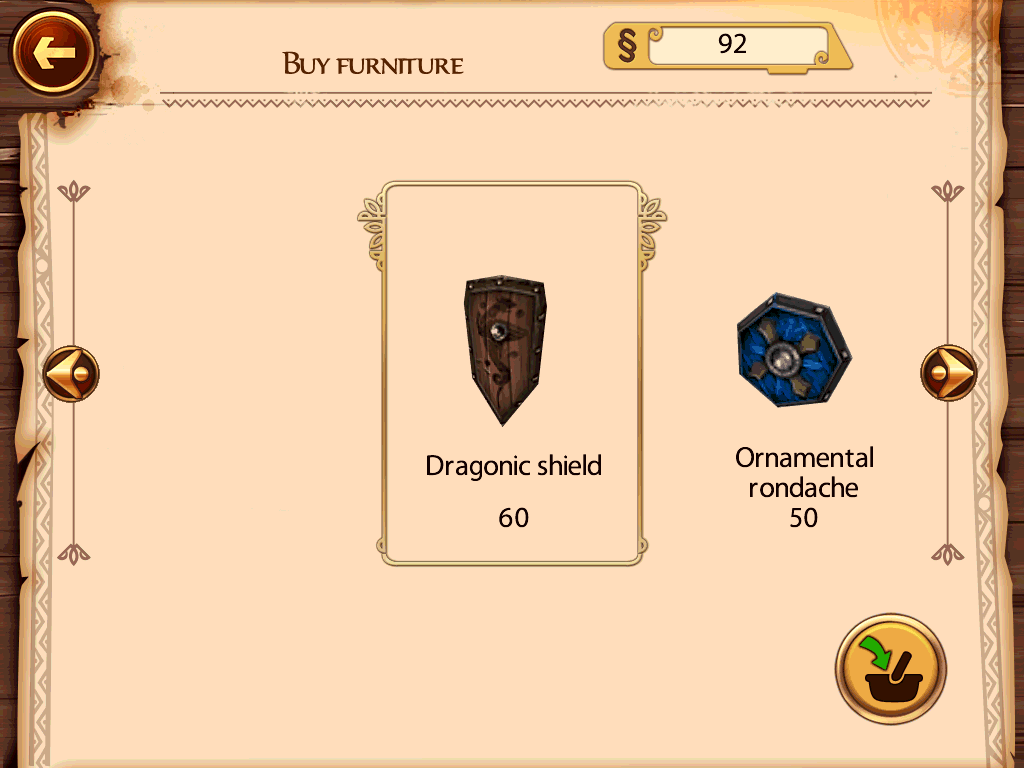
Do not come looking for one grand campaign plot. The campaigns differ by their ultimate goals, but they do not join into an overarching story. Instead, the game leans on individual quest strings, which are where its sense of humor shows up.
That approach works because the stakes can be knowingly absurd. Saving the kingdom from wild chinchillas is exactly the sort of premise that gives the medieval theme a playful Sims twist rather than treating it as solemn fantasy drama. The smaller stories are the real reason to keep taking on quests.
The lack of a single narrative throughline does make the whole package feel more episodic. Still, the changing available quest strings tied to campaign goals and the different solutions offered by different heroes add welcome variation. You are encouraged to see the kingdom from more than one professional angle rather than merely repeating the same route.
Overall Experience
The Sims: Medieval is a successful side trip because it knows not to simply dress the usual formula in medieval clothes. Its more linear structure gives the game momentum, while hero choice and profession abilities preserve some of the series’ playful unpredictability.
The trade-off is clear: this is less of a sprawling life simulator and more of a quest-driven character game. Creating up to ten characters sounds expansive, but only one is directly controlled during a quest line, with the rest handled by AI. That may disappoint anyone hoping to micromanage an entire cast at once.
Give it a chance if you like the Sims’ indirect, watch-the-animation style but want clearer goals and a lighter management load. The best moments come when a profession offers a different answer to a problem and the game’s offbeat quest writing turns a routine assignment into a joke worth seeing through. It is not the deepest Sims experience, but it is a likable and cleverly focused one.


Reviews
There are no reviews yet.