 Retro Replay Retro Gaming History, Reviews & Emulation
Retro Replay Review
Gameplay
Wildlife Camp draws you in with the hands-on side of running an animal refuge. You explore an African park, find new species, care for injured animals, and handle the ongoing work of maintaining the camp. That combination gives the game a stronger sense of purpose than management alone. You are building a place, but you are also tending to the creatures that make the place matter.
The variety is broad enough to keep the routine from sounding too dry. Medical equipment and medicines sit alongside animal-rearing tasks, bottle feeding, and training. Twelve training methods let you teach tricks or prepare animals for life back in the wild, which is a welcome reminder that the camp is not just a collection project. Elephant riding is also exactly the kind of lighthearted detour that suits this premise.
Getting around seems designed to be part of the fun rather than a mere chore. The Jeep, amphibian vehicle, and helicopter open up far-flung parts of the terrain, making exploration feel connected to the camp work. Endless missions should give committed players an ongoing reason to return, though the open-ended structure will naturally suit gamers who enjoy setting their own pace. For a closer rundown of its core activities, the publisher’s Wildlife Camp description lays out the animal-care focus clearly.
Graphics
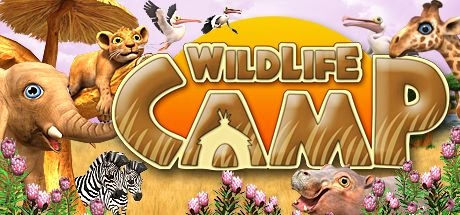
The game uses a third-person free camera to keep the camp, African terrain, animals, and vehicles in view as you move around. Its most appealing imagery comes from that mix of wildlife and working camp life: animals under your care, distant areas reached by vehicle, and an outdoor setting.
Story
Wildlife Camp finds its narrative pull in responsibility. Each animal can become a small reason to keep playing: discover it, help it recover, raise it when necessary, and train it toward a future beyond the camp. That is a simple arc, but it fits an animal-care simulation well.
The Africa setting gives those tasks a little more weight than a generic pet game would have. Exploration leads outward into the park, while the camp acts as the place where animals receive care. The contrast between travel and caregiving keeps the premise from feeling confined to one location.
There is also a deliberately whimsical streak in the details. Animals can have accessories and hairstyles, and your avatar has more than 120 clothing, accessory, and hairstyle options. That playful customization makes clear that Wildlife Camp wants warmth and amusement alongside its conservation-minded goals.
Overall Experience
Wildlife Camp is easiest to recommend to anyone who likes animals enough to enjoy the upkeep around them. Its pleasures are practical and gentle: tending to creatures, growing a camp, traveling across the park, and deciding what to do next. The game has a lot of separate activities, but they all point back to the same satisfying idea of taking care of a living place.
Its biggest strength is that it gives management work a human, or rather animal, reason to exist. Caring for a sick animal and preparing another for life in the wild carries more emotional pull than expanding for expansion’s sake. The training and travel options help the game avoid becoming only a cycle of maintenance tasks.
Give it a chance if you want a relaxed simulation with wildlife at the center and do not need every goal to be part of a tightly guided campaign. The payoff is a camp that feels personal because you have maintained it and looked after its residents, one animal at a time.



Reviews
There are no reviews yet.