 Retro Replay Retro Gaming History, Reviews & Emulation


Retro Replay Review
Gameplay
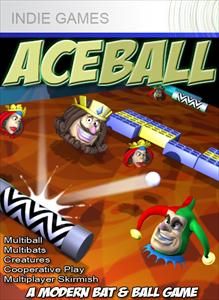
Aceball earns its first few minutes by being immediately legible. You have a paddle, the computer has a paddle, and a ball ricochets between you. Stop it getting through your side and force it through theirs. There is no warm-up period before you understand what matters, which makes it easy to pick up for a short arcade burst.
What gives the basic exchange some bite is the way the match can ask you to handle multiple balls at once. A clean one-ball rally is about anticipation; several balls make it about triage. You cannot calmly track every threat forever, so the tension comes from choosing the danger that needs your paddle now and hoping your positioning covers the rest. That added chaos is the game’s most persuasive reason to exist beside plain Pong.
The shaped paddles are another useful twist. They suggest more possibility than simply moving a flat barrier up and down: you are trying to turn a return into a difficult angle for the other side while keeping your own lane safe. Frustration can set in when the screen gets busy and a ball escapes while your attention is elsewhere, but that is also where the rallies stop feeling routine.
Local multiplayer is the right match for this format. Competitive games turn every missed return into an immediate boast, while cooperative play lets two people share the defensive scramble. Solo play against the computer has the clean focus of an arcade practice match, but a nearby opponent or partner is where the quick rules and sudden multi-ball pressure have the most life.
Graphics
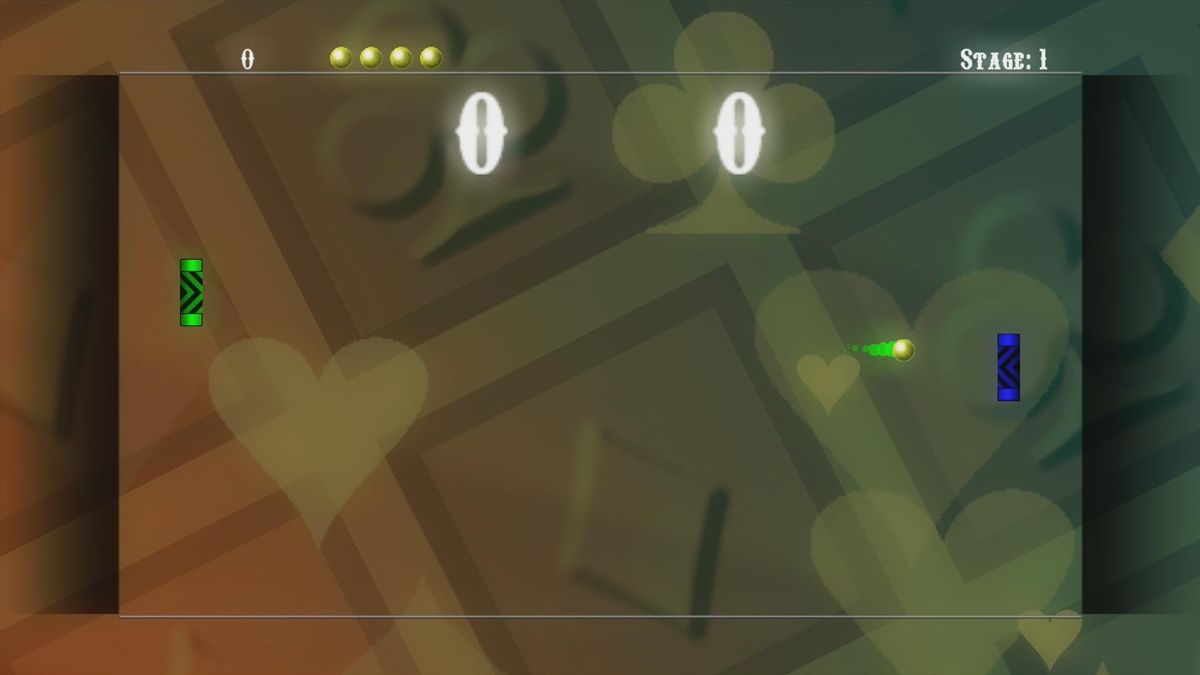
Aceball is built around the classic paddle-and-ball view: your paddle on one side of the screen, the opposing paddle on the other, and the ball bouncing between them. When multiple balls arrive, that uncluttered arrangement matters because you need to spot their paths quickly.
Story
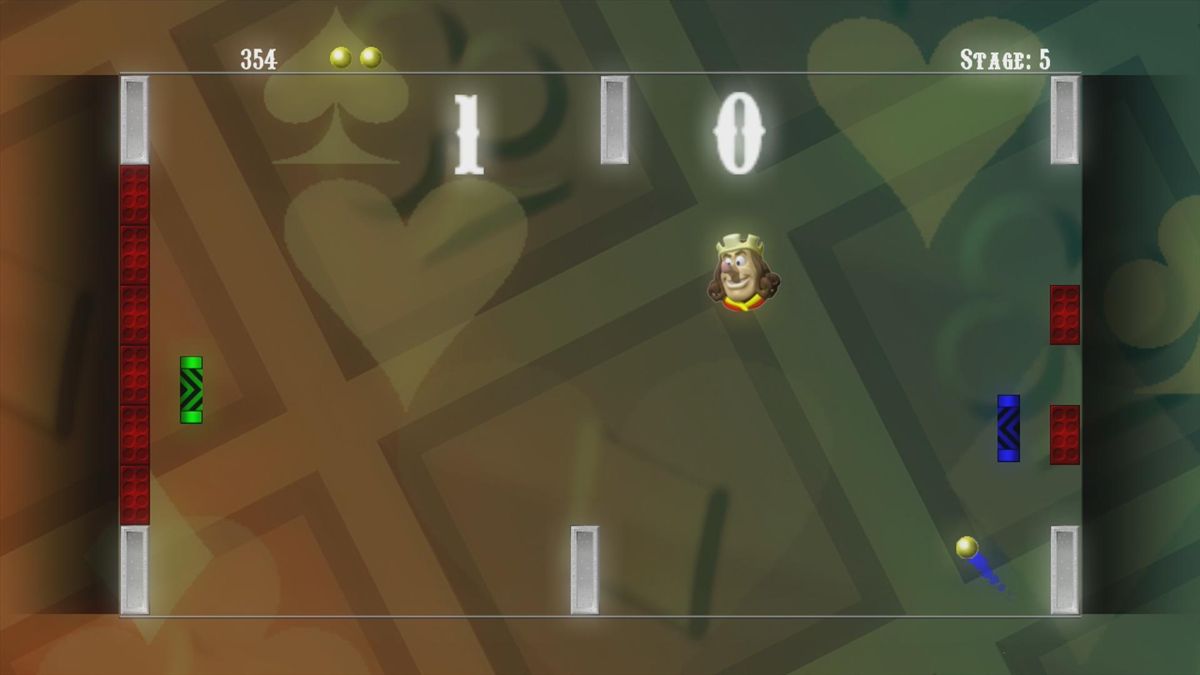
There is no story burden weighing on Aceball. It is a direct contest of returns, misses, and getting the ball past the other paddle.
That absence suits the game’s arcade mindset. You are not asked to invest in a larger premise before the action begins; the score and the next dangerous bounce are the motivation.
As a result, the game lives or dies on how much you enjoy repeating that central duel. If you need narrative context or a long-running sense of progression to stay engaged, this is likely too bare-bones. If a good rally is enough, the lack of story never gets in the way.
Overall Experience
Aceball is a small, focused Pong variation that understands the value of changing one familiar rule at a time. Multiple balls create pressure, shaped paddles create opportunities, and the basic objective remains clear even when the match becomes messy.
Its limits are tied to that same simplicity. The core loop is deliberately narrow, so your enjoyment depends heavily on whether you still find paddle-and-ball exchanges satisfying after the initial novelty. The computer matches offer a straightforward test, but local multiplayer gives the game more replay value and more memorable moments.
Give it a chance if you want an uncomplicated arcade game for short sessions, especially with another person in the room. Skip it if you need elaborate modes, a story, or a deeper competitive structure. For the right mood, Aceball turns a familiar formula into a brisk little panic machine.


Reviews
There are no reviews yet.