 Retro Replay Retro Gaming History, Reviews & Emulation
Retro Replay Review
Gameplay
Alan Wake’s defining mechanical idea is exceptionally clear: light is both defense and preparation for attack. The Taken cannot be harmed properly until Alan strips away the darkness surrounding them, so the flashlight is not merely an atmospheric accessory. It determines the order of every fight, creating pressure when enemies approach from the dark.
Battery management gives that system its useful edge. Focusing the beam removes darkness faster, but drains the flashlight’s power, making each stronger burst a choice rather than a default response. Ammo, batteries, upgraded firearms, and stronger flashlights provide the practical resources around which survival is built.
The third-person controls prioritize aiming the beam, with assistance helping Alan keep light trained on targets despite the lack of conventional crosshairs. Automatic recovery after avoiding damage and brightly lit safe havens soften the punishment, while environmental interactions such as restoring electricity, exploration, manuscript collecting, and intermittent driving broaden the pace beyond combat.
Graphics
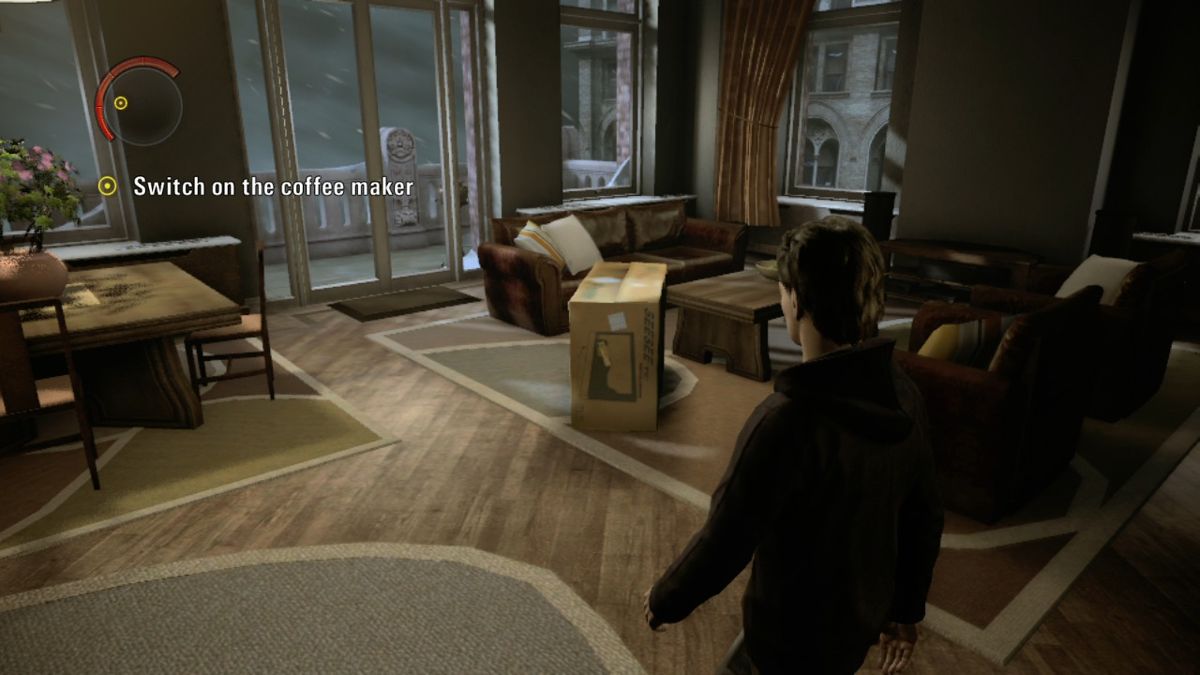
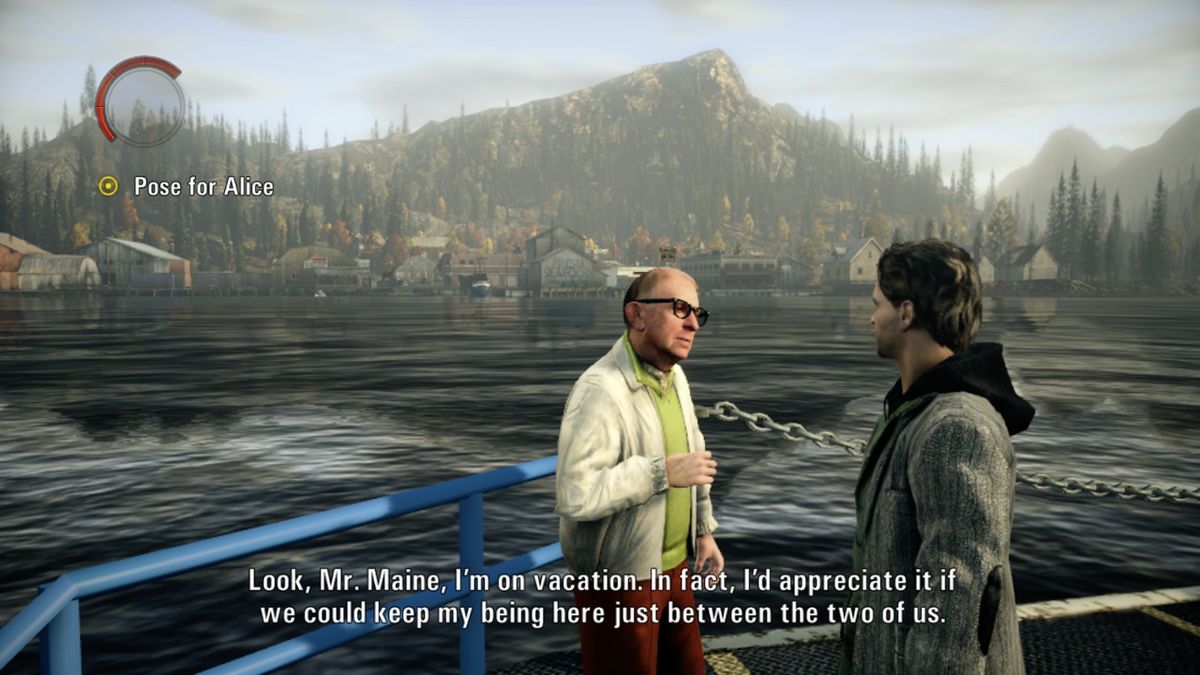
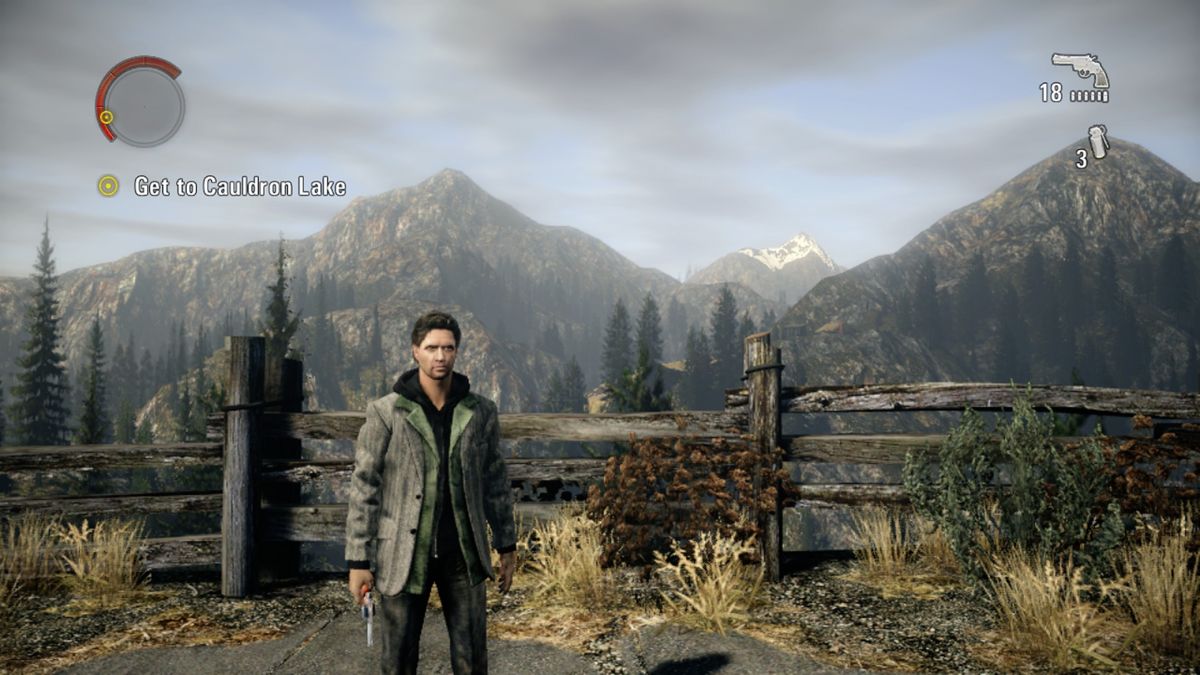
The presentation is built around the contrast between Bright Falls in daylight and its far more threatening nighttime spaces. Daytime exploration supports the town-and-woods setting, while darkness turns familiar surroundings into a source of danger and makes illumination the game’s strongest visual and mechanical motif.
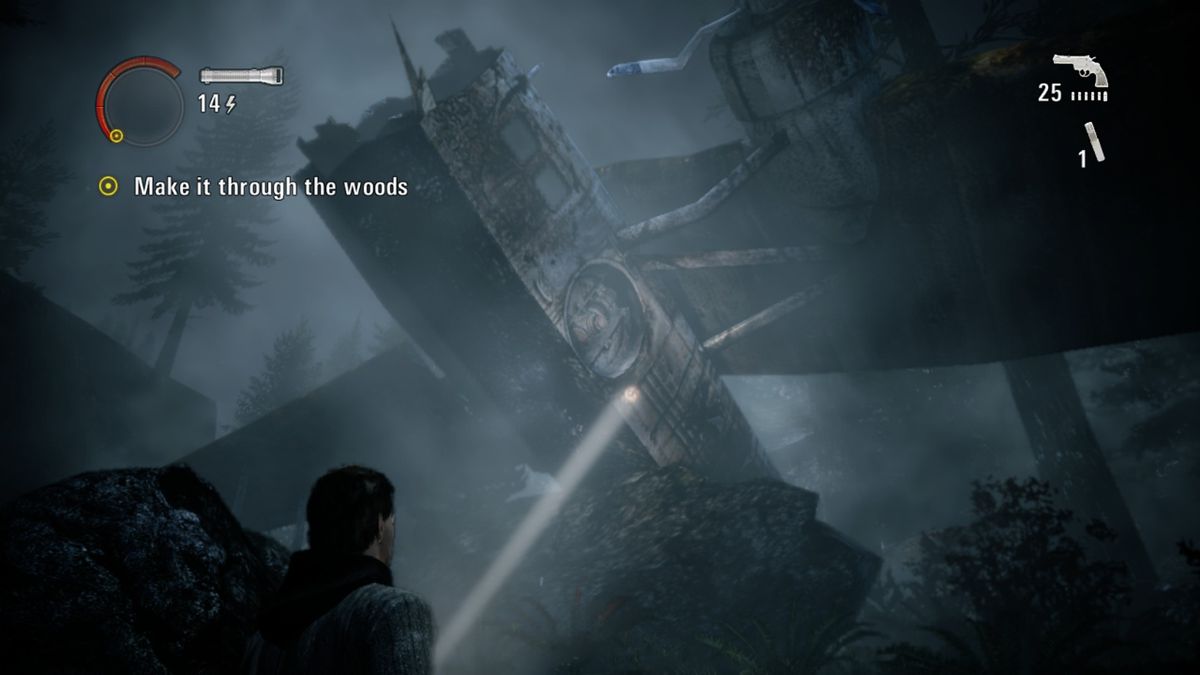
Flashlight beams, pools of safety, and enemies shrouded in darkness give encounters a readable visual logic. The player can immediately understand why an enemy resists bullets and what must be done before a weapon can finish the job. That clarity is important in a game where light is the central tool.
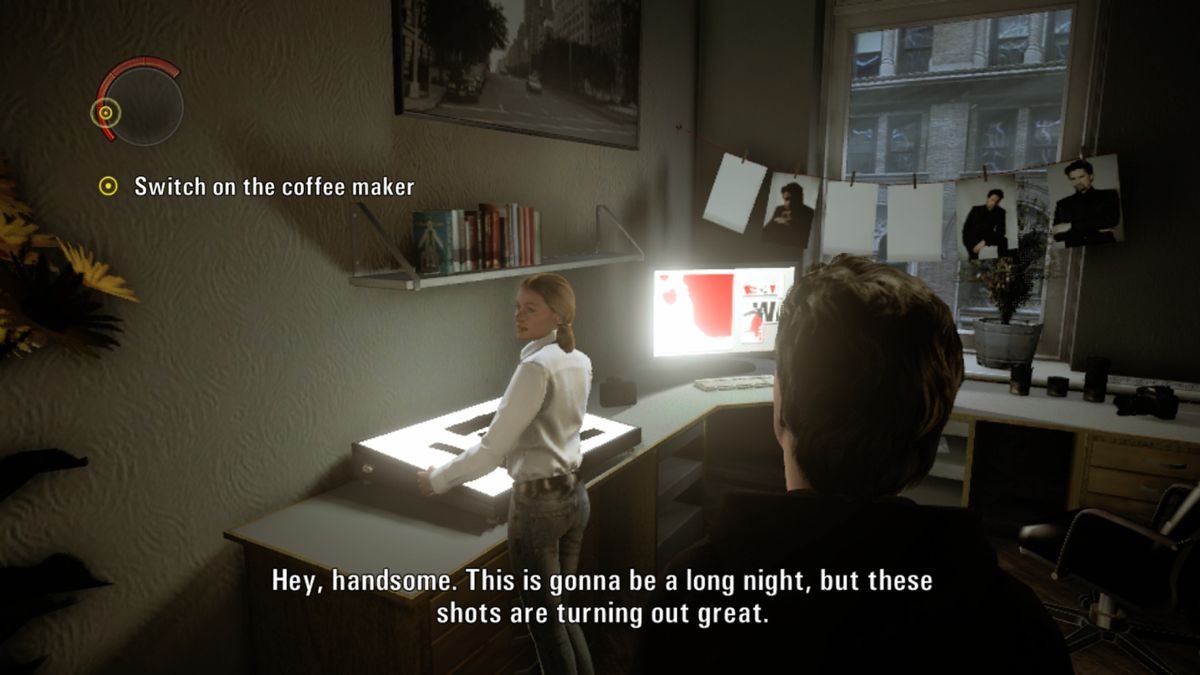
Cinematic staging also has a major role. Scripted sequences, conversations, and dramatic combat framing give the game an action-oriented, television-inspired presentation; shooting and dodging can shift into slowed-down, more cinematic camera angles. The result favors suspense and scene-setting over a purely utilitarian survival-horror view.
Story
The mystery begins with Alan Wake arriving in Bright Falls to escape the pressure of creative expectations, only for his wife to disappear. From there, the game combines a missing-person investigation with increasingly strange events, placing Alan in a horror scenario that he must understand as well as survive.
Six successive episodes structure the narrative, with recaps at the start and title-card endings that deliberately evoke serialized television. This format helps the story maintain forward momentum and makes its larger mystery feel divided into distinct dramatic chapters rather than one uninterrupted trek.
Manuscript pages from a book Alan has not yet written are among the most intriguing storytelling devices. Alongside conversations, radio programming, television channels, and scenes drawn from different points in the timeline, they reveal context about past events and suggest what may be coming. The fragmented approach suits a detective-mystery premise while keeping uncertainty at the center.
Overall Experience
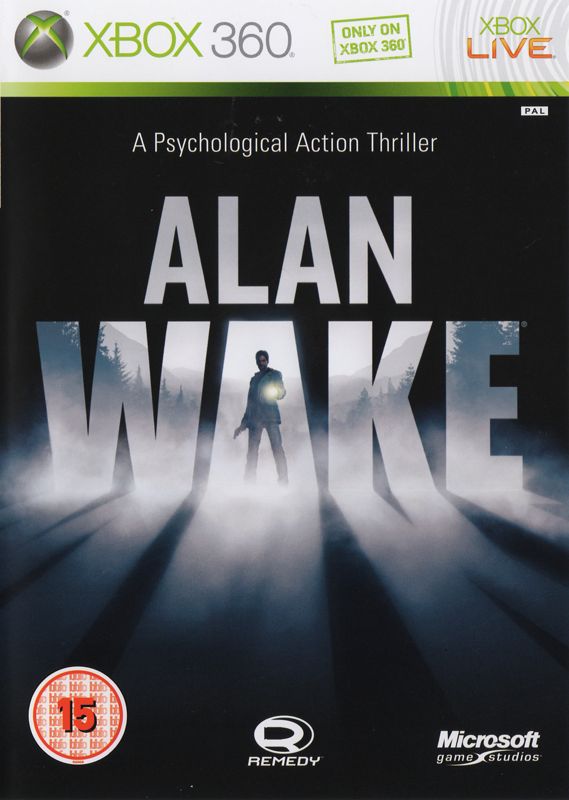
Alan Wake is a survival-horror action game with a confident central concept and a strong episodic identity. Its best quality is the way the premise, atmosphere, and combat reinforce one another: darkness is not just a visual mood, but the obstacle that must be actively dismantled.
The game should particularly appeal to players who want a mystery-led horror experience rather than nonstop conventional shooting. Exploration of Bright Falls, scattered narrative material, cinematic conversations, and changes between daylight investigation and nighttime danger create a broader rhythm than combat alone could provide.
Some players may prefer more direct gunplay or a less fragmented narrative, but the flashlight-first battles and TV-style chapter construction give Alan Wake a distinctive personality. It is an effective blend of action, supernatural horror, and mystery, especially for readers who enjoy piecing together a story as they move through it.


Reviews
There are no reviews yet.