 Retro Replay Retro Gaming History, Reviews & Emulation

Retro Replay Review
Gameplay
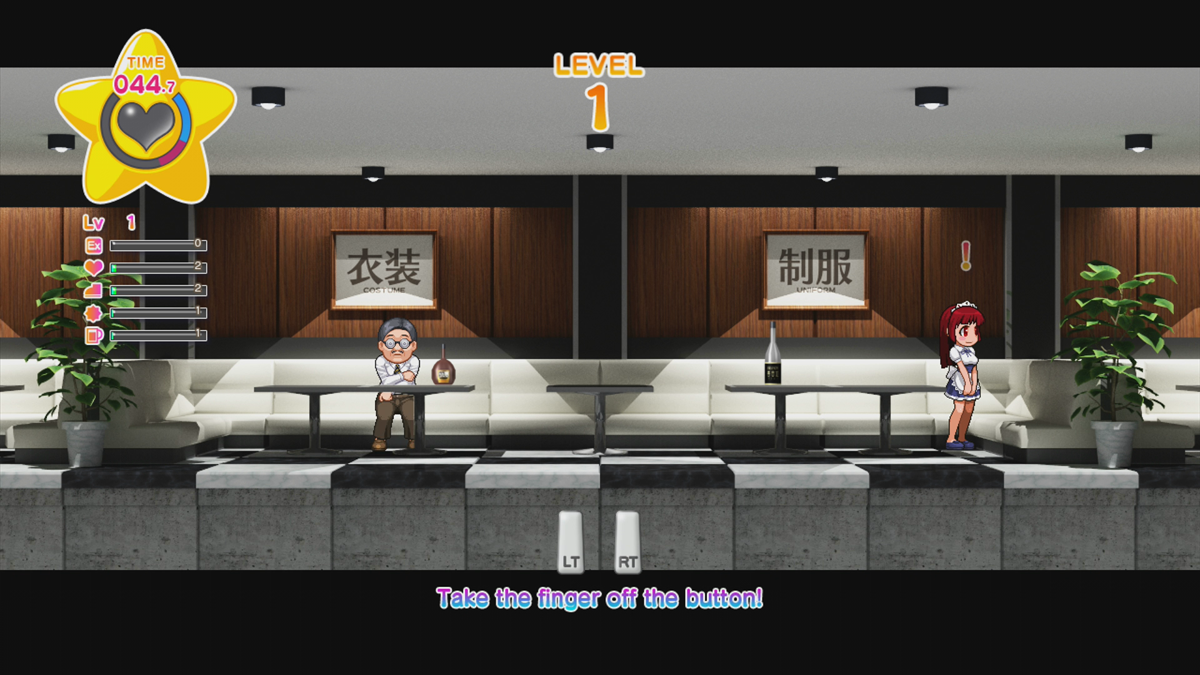
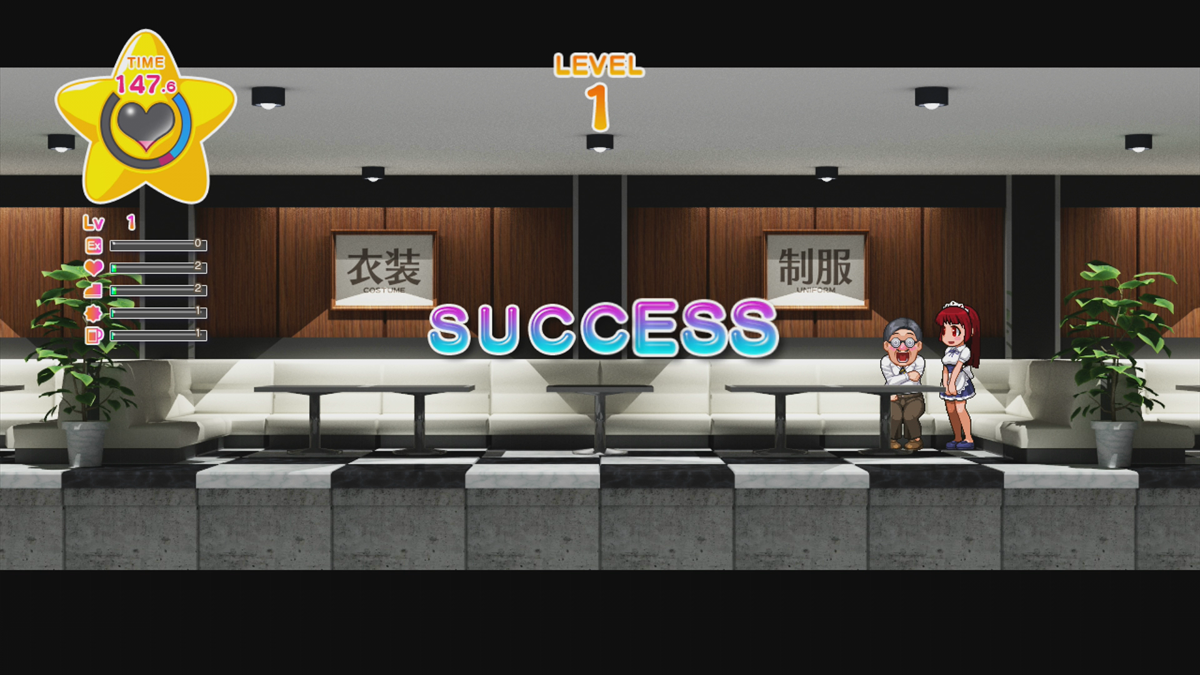
The first minute tells you almost everything: watch for an opening, hammer the triggers to advance, and stop dead the moment the girl turns toward Taro. It is a clean, instantly understandable rule set, and the tension comes from how quickly confidence turns into a mistake. You want to squeeze every possible step from each turn-away, but one extra burst of movement can end the attempt.
What starts to click is the balance between speed and restraint. Quick trigger alternation gets Taro moving, yet movement has momentum, so stopping is not merely a matter of taking your fingers off the buttons. The stamina upgrade matters because it helps that momentum fall away faster; quickness raises the ceiling on a successful dash; cuteness buys more time before a turn. The game’s upgrades are modest but sensible, since each one adjusts a pressure point you can feel in play.
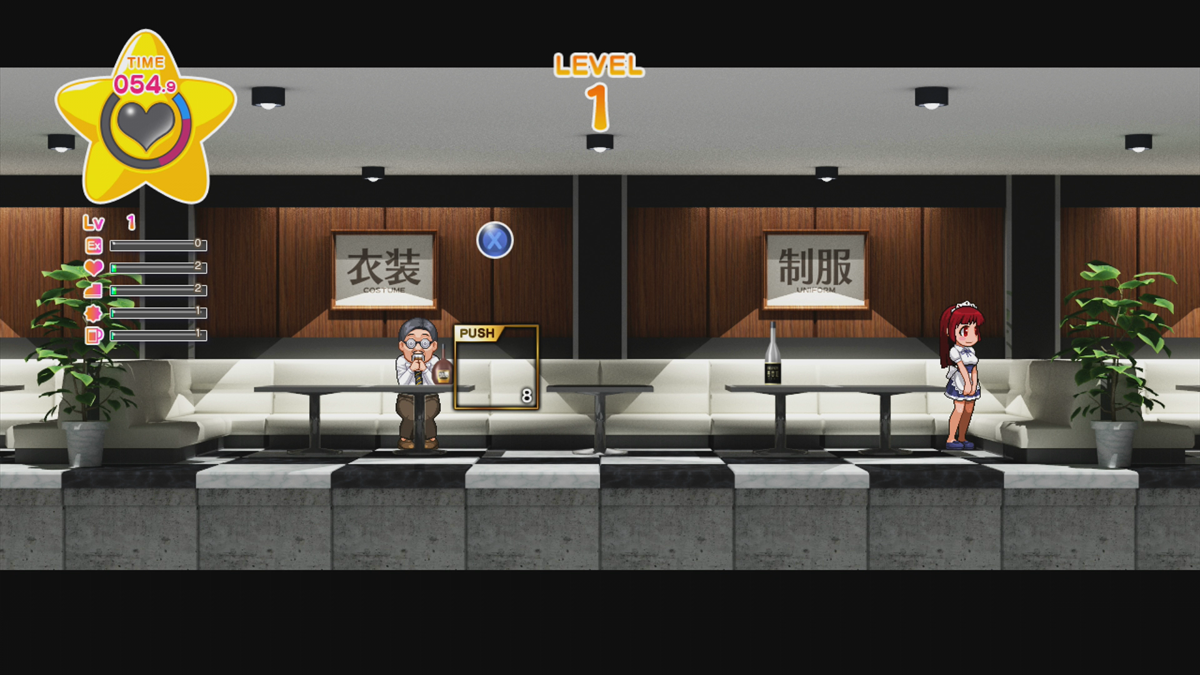
The drinking quicktime events are a stranger wrinkle. Clearing them quickly improves Taro’s movement speed, creating an extra risk-reward interruption on the route. That may give practiced runs more to manage, but it also makes an already uncomfortable premise feel more awkward rather than more playful. The best reason to engage with them is practical: better speed helps make stages less punishing.
Later variations sound like the part most likely to keep the formula from going stale. A girl who occasionally closes her eyes changes the timing calculation, while one who turns back without announcing it demands much more caution. Free play also lets you revisit unlocked girls and costumes directly, which is useful once you have a preferred challenge rather than wanting to work through the standard progression again.
Graphics
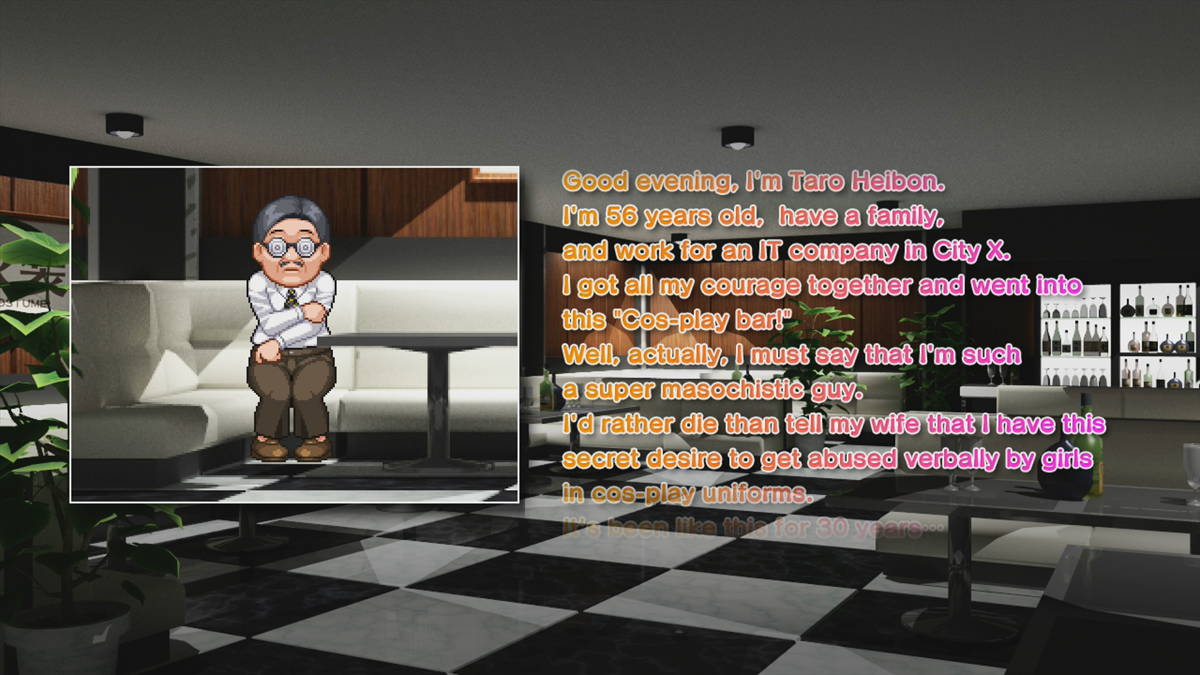
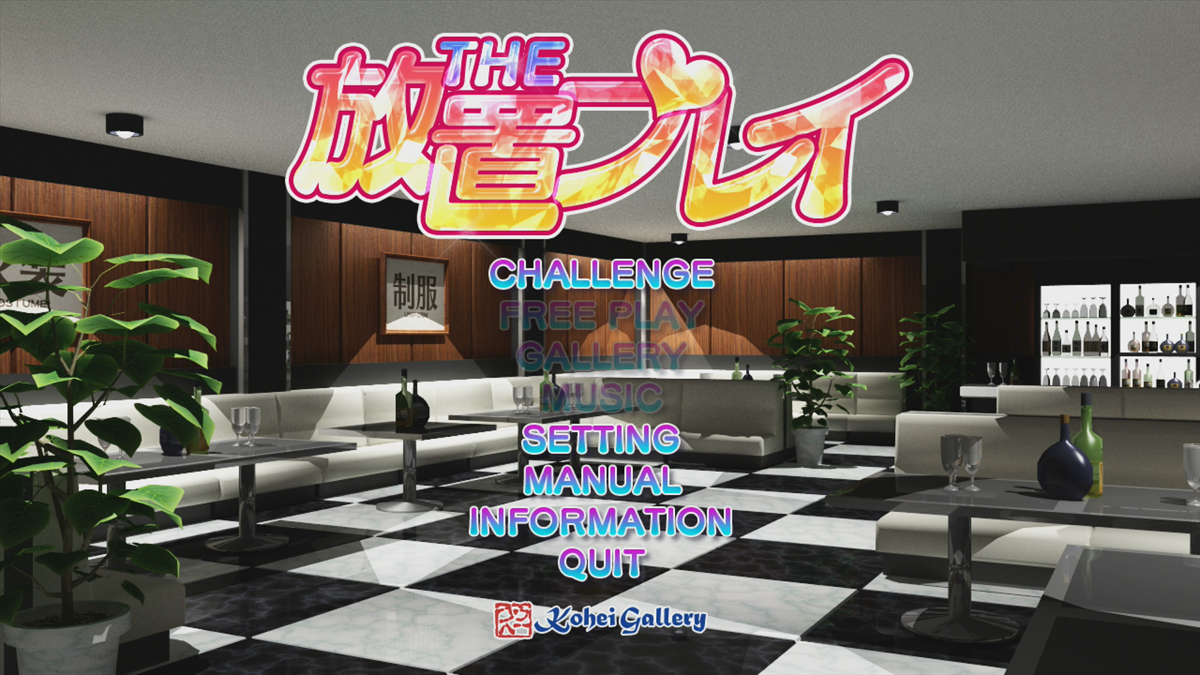
This is a 2D game built around Taro’s approach toward cosplay girls, with costumes becoming part of the unlock-and-replay loop. The gallery gives the character art a more direct spotlight after you clear the stages, rather than treating every unlock as a purely mechanical reward.
Story
There is barely a conventional story here. Taro Heibon’s goal is simply to get close to the girls without being noticed, and the game uses that setup as an excuse for its timing challenges rather than developing a narrative around it.
That bluntness has one advantage: nothing gets in the way of another attempt. But the premise is also the game’s biggest hurdle. Following women without their knowledge is not an especially charming foundation for a light arcade challenge, and the focus on drinking for a speed benefit does not improve its tone.
If you can set that aside, the unlock structure supplies the closest thing to forward momentum. New girls, costumes, altered behaviors, and the gallery give you reasons to continue. Just do not come in expecting character-driven anime storytelling; this is a game of scenarios and repeatable conditions.
Overall Experience
The Houchi Play has a solid core hidden inside a niche and questionable wrapper. The Statues-inspired stop-and-go action is naturally tense, easy to learn, and capable of producing those satisfying narrow saves where you halt just in time. Its best moments come from reading a behavior pattern, making a bold sprint, and watching an upgrade turn an earlier struggle into a cleaner run.
Frustration will set in if you dislike repeated timing tests or feel that sudden turn behavior is more irritating than exciting. The unannounced-turn trait, in particular, asks you to trade speed for safety, so the game may reward conservative play when you would rather push forward. Its progression can soften that edge, but it does not change the fundamental loop.
Give it a chance if you want a small, unusual arcade challenge with character unlocks and stat growth, and you are comfortable with its premise. Skip it if you need a richer story, broader action variety, or a more agreeable tone. There is genuine tension in its freeze-and-dash design, but the payoff is primarily mastery of one idea rather than discovery of a larger game.


Reviews
There are no reviews yet.