 Retro Replay Retro Gaming History, Reviews & Emulation


Retro Replay Review
Gameplay
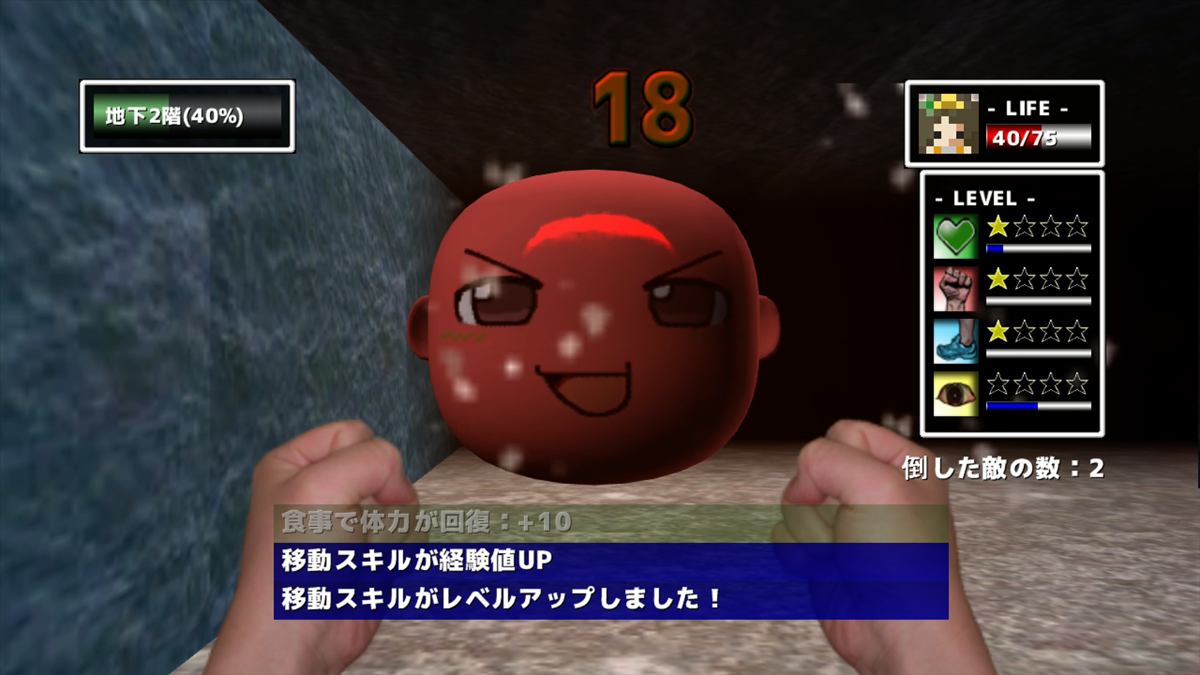
The first few floors have an immediate arcade-like pull. You enter a small, randomly generated first-person maze with simple priorities—find enemies, collect what they drop, open chests, and locate the next floor—but the life and time limits stop it from becoming a lazy wander. Every detour carries a cost, which makes even a short corridor feel like a decision.
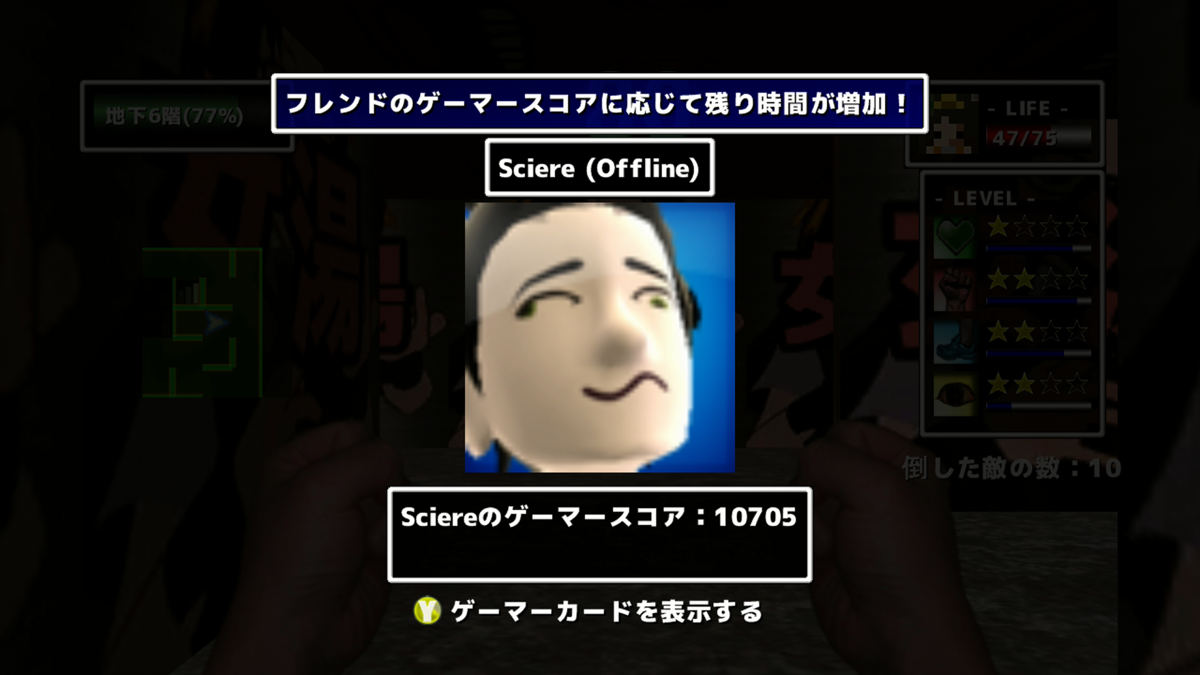
What starts to click is the relationship between the color-coded enemies and your four stats. Speed, power, vision, and health are not decorative numbers when a run is on the line; they shape what you need to chase next. A useful drop can turn a shaky floor around, while a chest might offer life-giving food or a time bonus through a friend from your Live list. That mix gives the crawl a welcome bit of uncertainty without burying it in complicated systems.
The cleverest pressure comes after a floor ends. You are judged on exploration, enemies defeated, and total floors cleared, so simply rushing to the exit is rarely the whole answer. Go too thoroughly and the timer can punish you; sprint ahead and you may sacrifice the experience needed to advance toward the rescue. It is a compact risk-reward loop, and it will feel satisfying if you enjoy replaying short runs to improve your performance.
Frustration can set in when a failed run wipes out the immediate attempt because either depleted life or expired time ends the game. The structure asks you to accept that sting and learn to route rooms more efficiently. Three difficulty levels add goals in the form of different girls to rescue, but the core remains deliberately narrow: maze, fight, gather, descend, improve.
Graphics
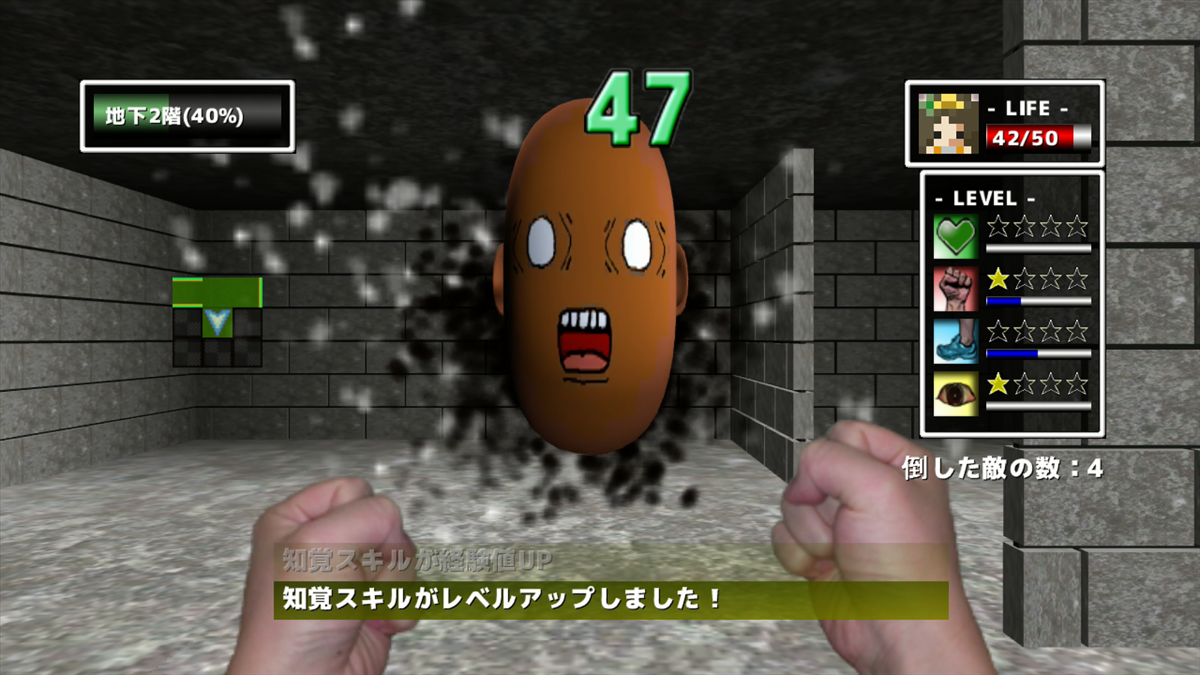
The view stays in first person as you move through the mazes, while enemy colors communicate which stat-boosting items they can leave behind. The clearest concrete reward is a set of still images of the rescued girl once you reach 100% experience, rather than an elaborate visual finale.
Story
There is barely a conventional story to carry you from floor to floor. Your purpose is plainly stated: reach the end of the labyrinth and rescue a girl hidden there. That directness works because the dungeon loop does the heavy lifting, but it also means you should not expect character drama or narrative surprises to break up the repetition.
The rescue target changes with the selected difficulty, giving the three modes a small thematic distinction. More importantly, the goal is tied to experience rather than a single successful dash through the maze. You earn progress through better floor grades, making the rescue feel like a cumulative prize for learning the game’s scoring demands.
At 100% experience, the payoff is several still images of the girl you saved. That is a very specific kind of motivation: collectible completion rather than a developed ending. If that sounds charming, it gives the grind a destination; if not, the story will likely feel too slight to sustain you on its own.
Overall Experience
Yukkuri no Meikyū is strongest when you treat it as a tense little repeatable crawl rather than a grand RPG. Its small random floors, stat drops, and grading system create a solid “one more attempt” rhythm. You can feel yourself getting sharper as you decide when to hunt enemies, when to search the map, and when to cut your losses and descend.
It is also an uncompromisingly focused game. The timer, permanent failure for the current run, and experience-driven rescue goal make it more demanding than its leisurely title suggests. That friction is worthwhile if you like score optimization and can enjoy improvement measured in percentages, but it can become a grind when you only want to see the ending.
Give it a chance if a first-person dungeon game built around short randomized runs and self-imposed efficiency sounds satisfying. Skip it if you need a rich narrative or a broad set of activities to stay engaged. For the right kind of patient arcade-RPG player, its modest loop has real teeth.


Reviews
There are no reviews yet.