 Retro Replay Retro Gaming History, Reviews & Emulation
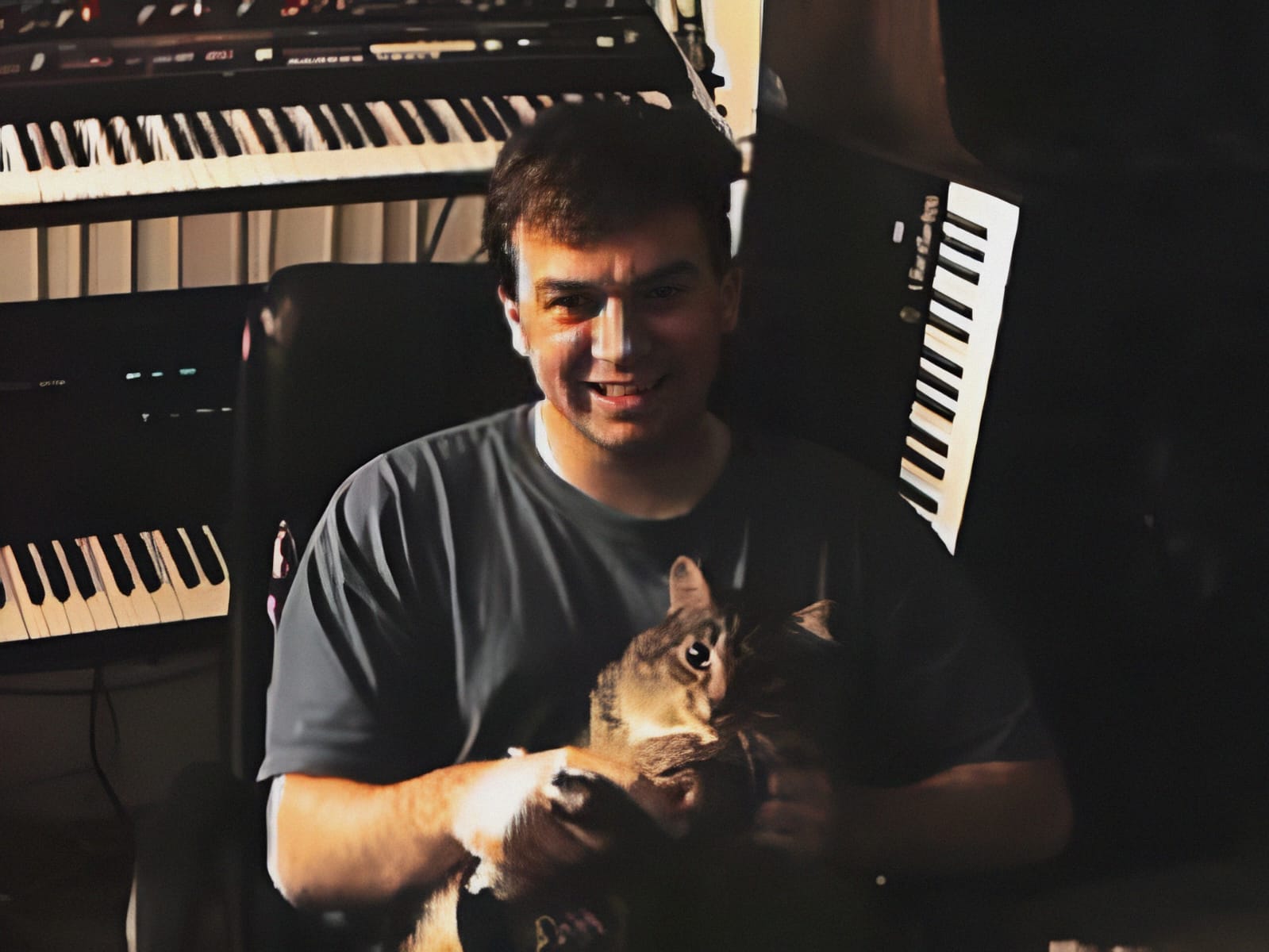
Neil Bradley helped turn Retrocade into one of 1998’s most anticipated arcade releases. His role also shows how closely teams, CPU-core work, and news-site attention could overlap.
Name: Neil Bradley
Known for: Retrocade and contributions within the arcade-emulation community
1998 milestone: Retrocade v1.0 arrived in September after a highly publicized launch
Evidence: A June 1998 interview identifies Bradley as Retrocade moderator and MAME team member
Photo: Later photograph; not presented as a 1998 image
The person behind the countdown
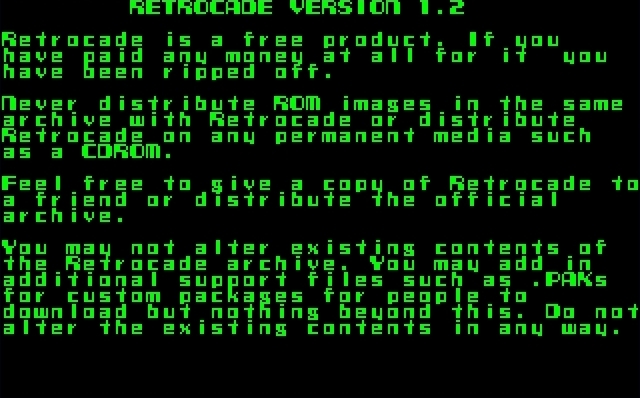
Neil Bradley’s name appears in contemporary records of a project that knew how to generate anticipation. Retrocade promised a broad arcade library and a release that news sites could circle on the calendar. Patent Pending carried the announced September 14 midnight launch and the promise of 100 games. A September 20 contemporary Usenet post reported Retrocade v1.0 had arrived and treated it as the week’s major news. That second source matters because it separates an announced date from evidence that the public release was actually in circulation.
Bradley did not operate in isolation. In a June 1998 interview, Acorn porter Gareth Long described Bradley as Retrocade’s moderator and a member of the MAME team. Long also explained that joining Retrocade required a vote of more than half the existing members. That small procedural detail reveals a group project with an internal identity, not simply a ZIP file one programmer pushed onto a homepage.
The work behind a large game list
Retrocade’s planned game count was an effective headline, but each arcade title could require different processor, graphics, sound, and input work. A big list had to be assembled from many contributions and checked across host computers. That is where Bradley’s role as moderator mattered. Coordination could decide whether a beta felt like a coherent release or a pile of separate experiments. A programmer still had to solve the hardware problems; a team also had to agree on integration, documentation, and the moment a build was ready for the public.
The May 1998 Zophar archive had already reported a planned beta with 82 games. By September, the pre-release number in Patent Pending had risen to 100. The change is evidence of ambition and progress, but neither number alone measures accuracy. A game listed as supported might still have sound or timing defects. Retrocade’s actual accomplishment was bringing a major multi-arcade project into public use while inviting that comparison.
Connections beyond Retrocade
Bradley’s work also connects to the wider technical exchange of the period. James Ponder’s Generator license credits a Multi-Z80 CPU emulator by Bradley among possible CPU-core components. A reusable CPU core is less glamorous than a game screenshot, but it can help several projects. That credit shows why the biographies in this history cannot be fenced off by a single emulator name. People carried knowledge between teams.
The later photograph on this page is identified as Bradley in the local research archive and is explicitly not labeled a 1998 portrait. It places a human face beside a name that old release notes can make abstract. His 1998 story is not merely the success of a scheduled download; it is a story of coordination, shared technical work, and the very public expectation that grew around an ambitious volunteer project.
Context and legacy
Gareth Long’s interview also complicates the idea that arcade teams were isolated clubs. Long was active in the Acorn community and discussed porting MAME, MESS, Snes9x, and Retrocade. Bradley’s Retrocade could therefore reach toward ARM machines as well as the DOS audience that saw the headline launch. Every port would have brought fresh video, audio, and input questions, but the plan itself shows the team looking beyond one kind of home computer. The programmers were trying to make old cabinets travel.
The launch hype deserves neither ridicule nor uncritical celebration. It gave a volunteer project a large audience and a memorable date. It also created a burden: if the public expected 100 polished games at midnight, an ordinary beta limitation could feel like a broken promise. Bradley’s job as moderator sat exactly at that fault line between technical progress and public expectation. The surviving contemporary posts let us see both sides without pretending that a game count is the whole measure of quality.
Neil Bradley in the History of Video Game Emulation
1998 Part I: The Arcade Race and the Websites That Carried It
Neil Bradley helped turn Retrocade into one of 1998’s most anticipated arcade releases. His role also shows how closely teams, CPU-core work, and news-site attention could overlap.