Retro Replay Retro Gaming History, Reviews & Emulation
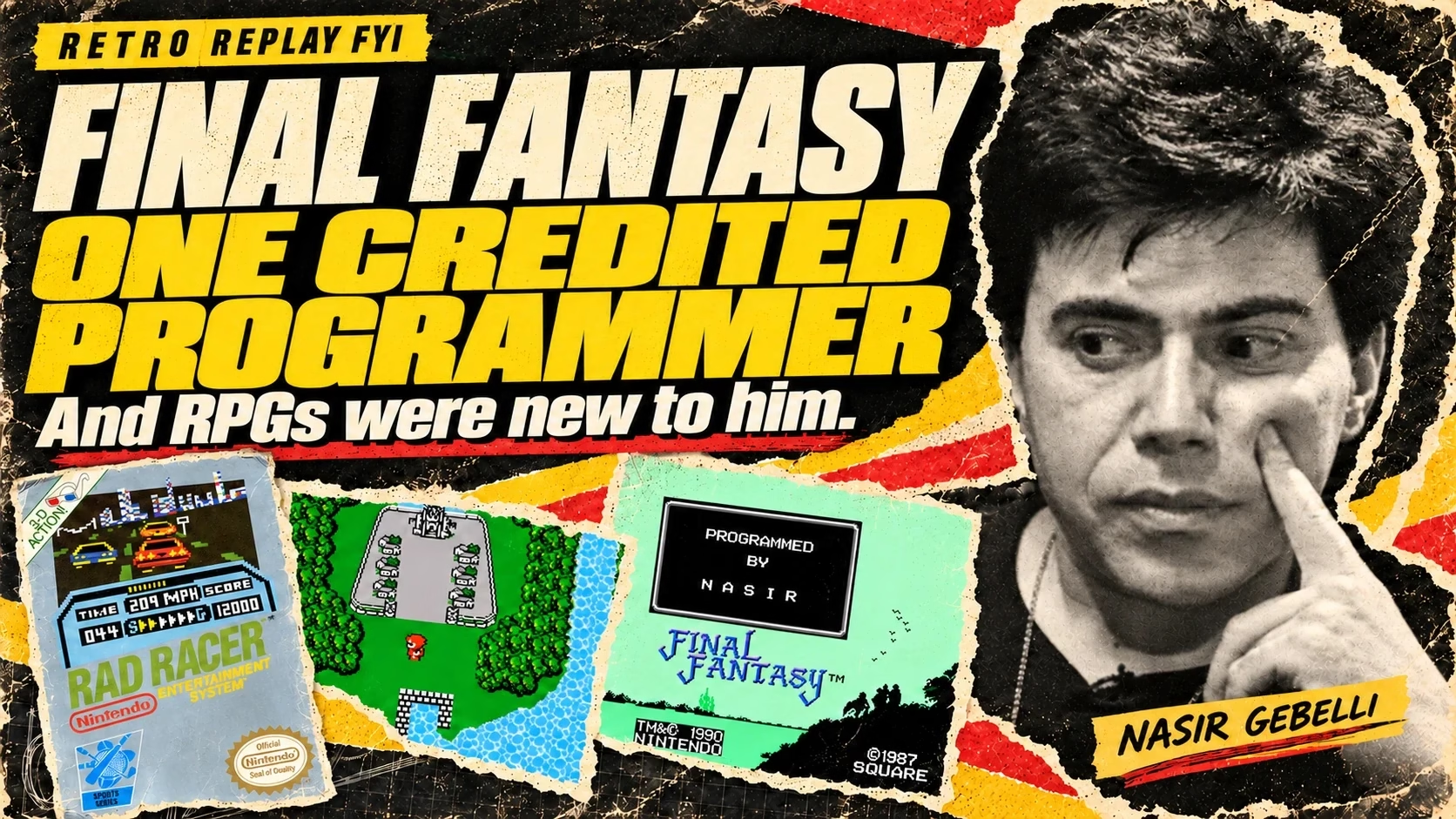
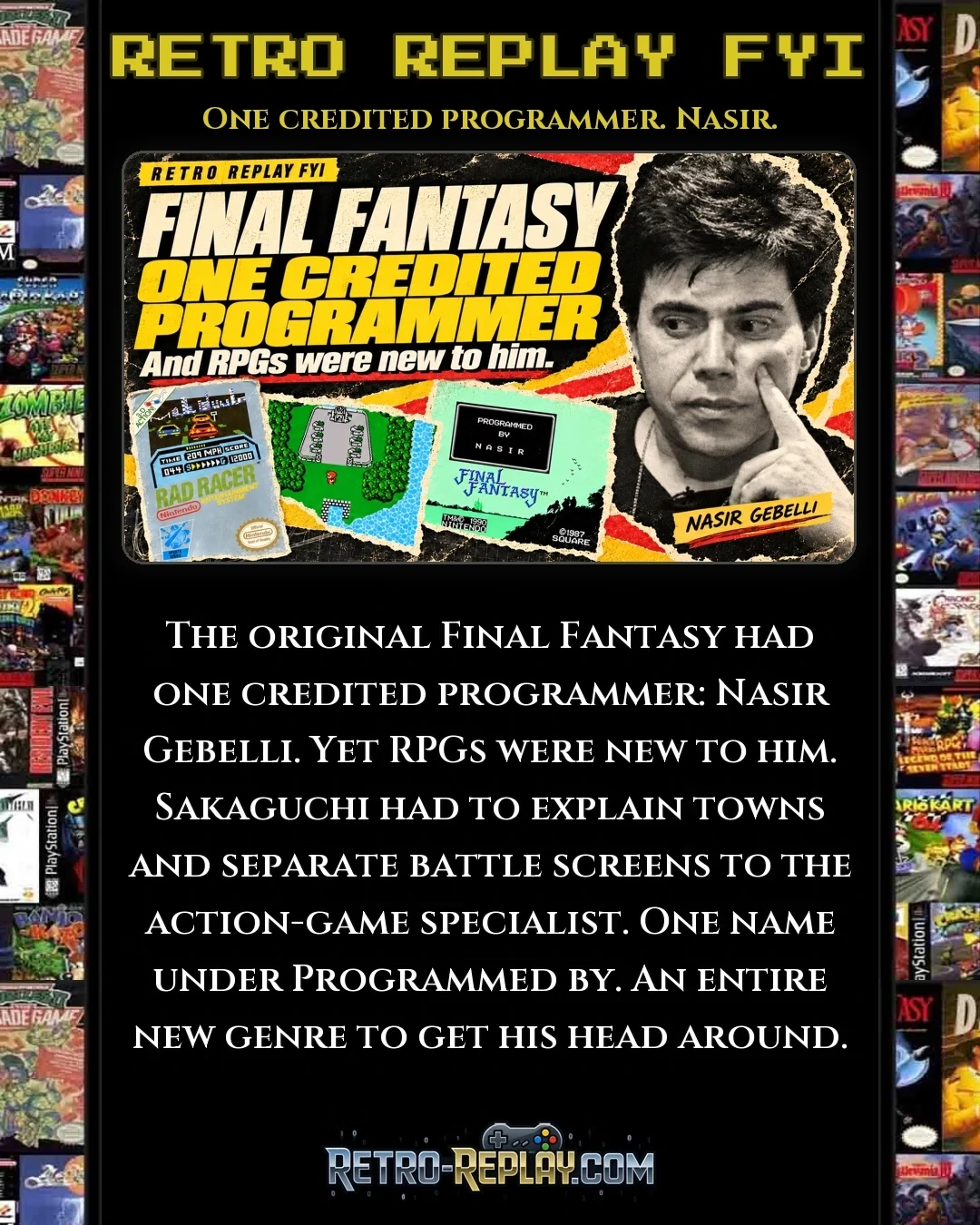
The original Final Fantasy credited one person for its programming: Nasir Gebelli. One programmer, helping bring an entire RPG to the Famicom, while still needing its towns and battle screens explained to him.
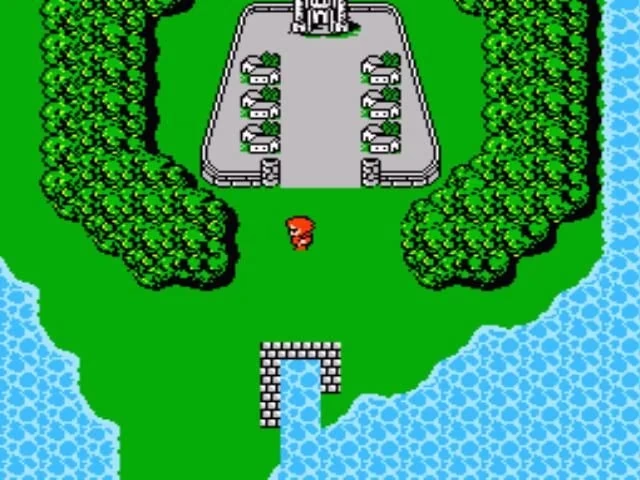
When Square was building the original Final Fantasy, Hironobu Sakaguchi had to walk its programmer through conventions that RPG players barely think about. There was an overworld. There were towns. And when a fight started, the game would cut away to a separate battle screen. Gebelli had a perfectly reasonable question: why couldn’t they fight where they were already standing?
A rookie in the genre, not at the keyboard
Gebelli came from action games. Square players could already find his work in Rad Racer, with its racing road rushing toward the horizon. Asking him to build a world of equipment menus and turn-based battles meant explaining a different set of rules to an experienced programmer.
In Square Enix’s 35th-anniversary conversation, Sakaguchi remembered introducing those ideas one by one. He recalled Gebelli asking, “Why can’t they just fight here?” about the move to a battle screen.
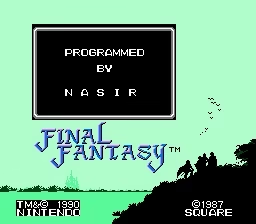
The original title screen gives him an unusually prominent introduction: Programmed by Nasir. Before you’ve chosen your party or bought a single sword, there he is. The adventure was introducing its programmer before introducing most of its world.
Making the instructions work
The small communication problems could become real working problems. In an official interview, designer Akitoshi Kawazu recalled writing specifications in imperfect English and struggling to explain the reasoning behind them. Gebelli would implement what was specified, but warn the designers to check whether it behaved as they intended.
The programming credit belongs to Gebelli. Around him, Square’s team supplied the game design, story, artwork and music. His name appears alone under Programmed by on the original title screen, an extraordinary credit for someone coming to the genre fresh.
John Romero later shared a particularly striking detail about Gebelli’s working setup: he developed his NES games on an Apple II, using it to create programs for different hardware. That relationship continued with the SNES game Secret of Mana. An old Apple computer was helping put those adventures on Nintendo systems.
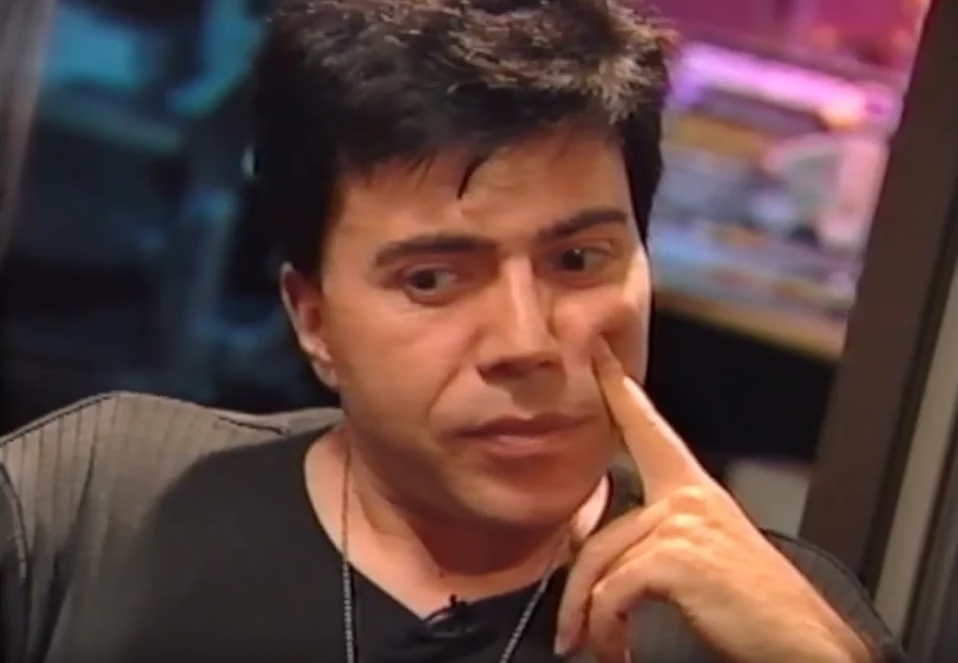
Romero’s interview below was recorded at his 1998 Apple II reunion. It’s a chance to hear from Gebelli himself after seeing his name on those opening credits.
Sources
- Square Enix: Final Fantasy 35th Anniversary Special Interview, Part 1 (2023), Sakaguchi’s recollections of explaining RPG conventions. English transcript: Nova Crystallis.
- Square Enix: We Discuss Vana’diel, Akitoshi Kawazu, Part 1, on specifications, communication and the division of programming work.
- John Romero: Nasir Gebelli Interview on YouTube (2017), describing the 1998 interview and Gebelli’s Apple II development setup. Full interview. Portrait frame: John Romero’s interview page, also adapted into the illustrated cover.
- The Square Cave: Nasir Gebelli, Programming God (June 5, 2012), the supplied lead. Its speculation about the causes of Final Fantasy’s bugs is not treated here as an established fact.
More #RetroReplayFYI
For another unexpected Nintendo adventure connection, read how Indiana Jones helped inspire The Legend of Zelda.