Retro Replay Retro Gaming History, Reviews & Emulation
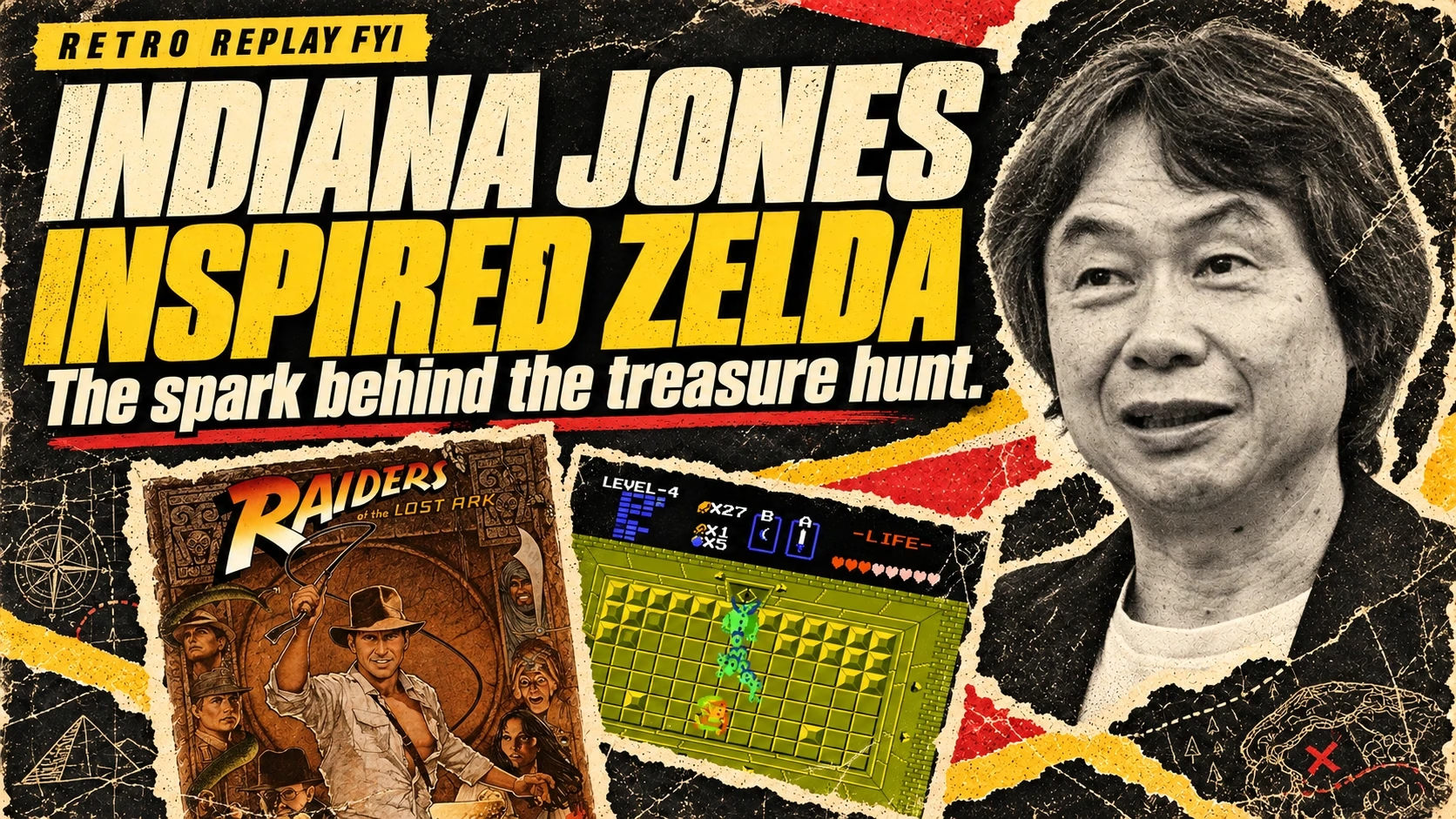
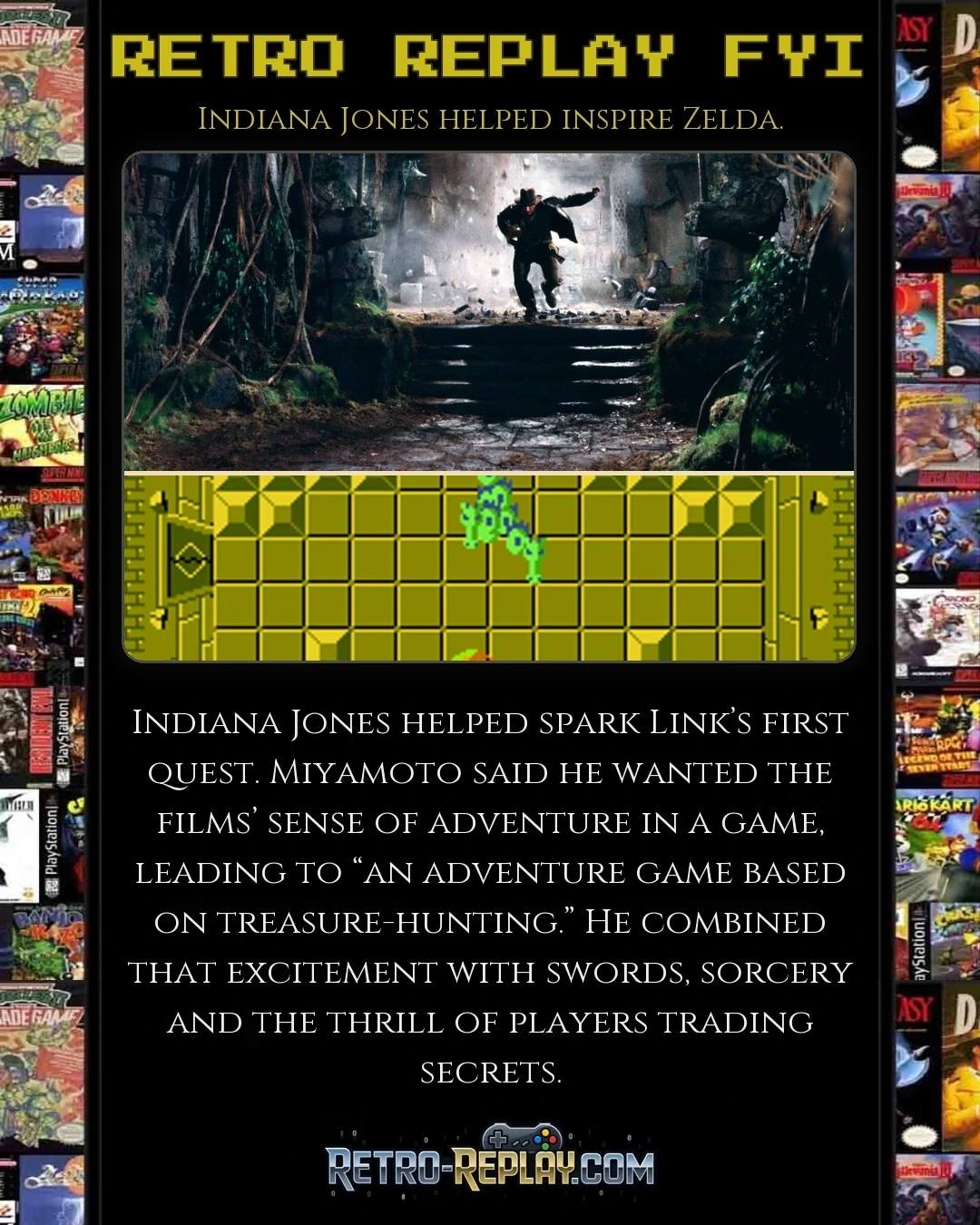
Before Link’s first adventure became a game people could get lost in, Shigeru Miyamoto was thinking about a different sort of adventurer: Indiana Jones. The connection is more than a resemblance between ancient ruins and dangerous treasures. Miyamoto named the films himself when Nintendo asked him how The Legend of Zelda began.
That makes the original Zelda worth looking at from a slightly different angle. Beneath its monsters, keys and small square rooms sits a familiar invitation: go somewhere mysterious, find something valuable, and discover what happens when you disturb it.
From the cinema to a treasure hunt
In Nintendo’s November 2016 developer interview, Miyamoto recalled that the Indiana Jones movies were appearing around the time Zelda took shape. He wanted their sense of adventure in a video game. His description of the result was wonderfully direct: “an adventure game based on treasure-hunting.” The setting he chose was a world of swords and sorcery.
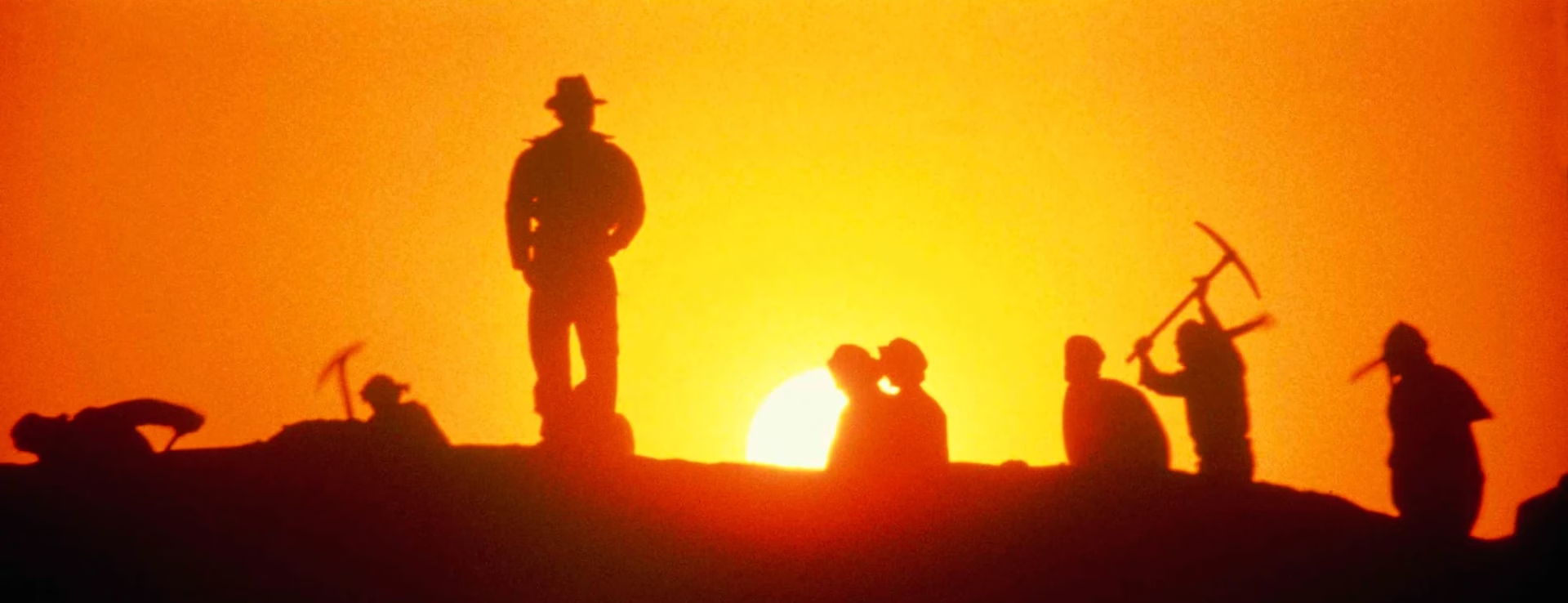
Raiders of the Lost Ark had arrived in 1981. Lucasfilm describes the collaboration between George Lucas and Steven Spielberg as a reinvention of adventure cinema. Its appeal was easy to understand: an object could be a prize, a puzzle and a danger at the same time. A doorway promised discovery, but crossing it might be the worst decision the hero made all day.
Zelda could give that invitation a different rhythm. A film’s audience follows the adventurer into trouble. A game can make the person holding the controller choose the doorway. That small transfer of responsibility changes the feeling of discovery. The risk belongs to you, and so does the pleasure of finding a way through.
A different hero, a familiar thrill
The comparison works best as a question of feeling. Link does not need a fedora or a whip for a hidden room to feel enticing. A locked door, an unfamiliar passage and an item you have not learned to use can supply the uncertainty. In a dungeon, treasure is rarely just decoration. It may change what you can attempt next.
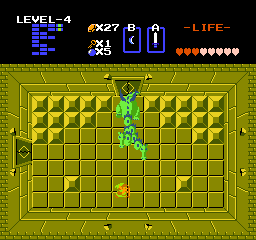
Look at the original game’s compact rooms. Their simplicity makes each decision visible: which exit to try, which enemy to approach, whether to spend a resource or save it. The picture is small, but the consequences can feel large. Returning to a place with a new tool gives familiar ground a second meaning. The adventure grows through your changing understanding of it.
The other influence was people swapping secrets
Miyamoto’s answer also included computer role-playing games. He had noticed players comparing the strength of their characters and phoning one another at night to exchange information. The social life around those games interested him. Alongside a movie’s excitement was the possibility of an adventure that continued in conversations after the machine was switched off.

That is a useful way to understand Zelda’s mysteries. A discovery can feel personal while still being something you want to share. A friend’s hint can turn a stubborn obstacle into the starting point for another evening. The game supplies places and objects; the players supply speculation, memory and stories about what happened to them.
What Zelda borrowed, and what it made its own
Indiana Jones helps explain the appetite for discovery. Zelda gives that appetite a structure a player can inhabit. You are not simply waiting for the hero to solve a problem on screen. You can hesitate, try a different route or return to something you missed. The pleasure comes partly from being allowed to feel uncertain.
The interview establishes a creative influence, rather than a one-to-one blueprint for Link or a claim that every Zelda idea came from the films. Miyamoto brought together cinematic adventure, fantasy and the habits of game players. The result kept the treasure hunt’s strongest promise: somewhere beyond the next doorway, there might be something worth finding.
Sources
- Nintendo’s 2016 Zelda developer interview, linked above, for Miyamoto’s account and the quoted phrase.
- Lucasfilm’s Raiders of the Lost Ark production page, linked above, for the film’s date and official imagery.
- The Legend of Zelda database entry: Game Boy Advance reissue. The available entry is for the later reissue; its archived image set depicts the original NES game.