 Retro Replay Retro Gaming History, Reviews & Emulation

Retro Replay Review
Gameplay
The Life Stage has an immediately understandable hook: you lay out connected rooms, decide where the doors go, dress the rooms with textures and decorations, then step inside. That last part is what gives its basic construction tools some charm. A house plan can feel abstract; walking through a room you arranged yourself makes even modest changes feel more personal.
The simplified modeling approach is a sensible fit for making a fantasy home without getting buried in architectural detail. You are working from the structure outward—rooms first, then doors, then floors, wallpaper, and objects—so the process has a natural rhythm. The preset floorplans also give you somewhere to start if staring at an empty building space drains the fun out of a creative tool. A snowy mountain house and a downtown office building offer different frames for experimenting with the same set of ideas.
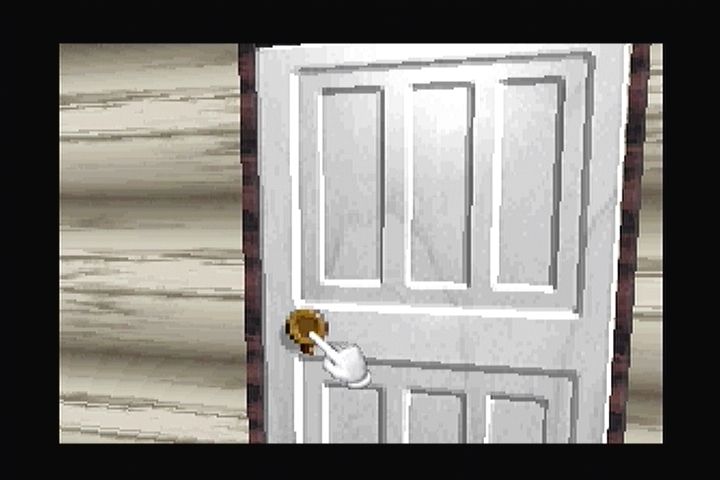
Exploration is where the experience turns frustrating. Only one room can be held in memory, so a door is not just a connection between spaces: using it triggers a lengthy load before you arrive in the next room. That makes a house feel less like a continuous place and more like a chain of separate scenes. Build compactly, and do not expect to wander through a sprawling creation at a relaxed pace.
The limits on each room’s size and complexity further steer you toward smaller projects. That can be a useful creative constraint if you enjoy making a handful of distinct rooms, but it hurts if your goal is a detailed, elaborate home. The Life Stage works better as a toy for sketching spaces and revisiting them from the inside than as a robust building program.
Graphics
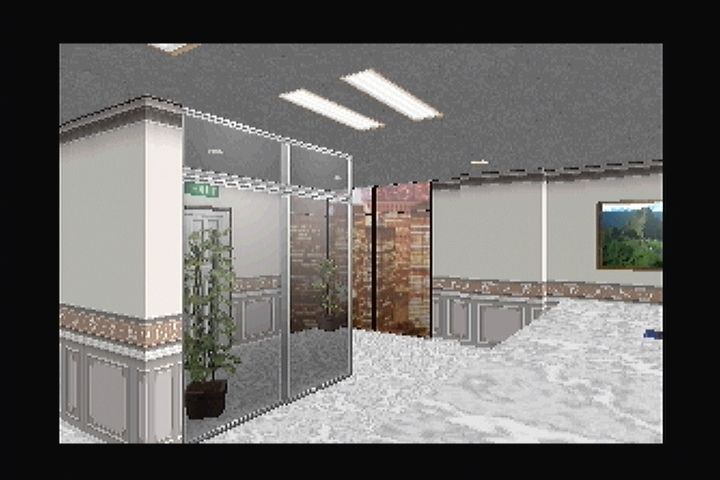
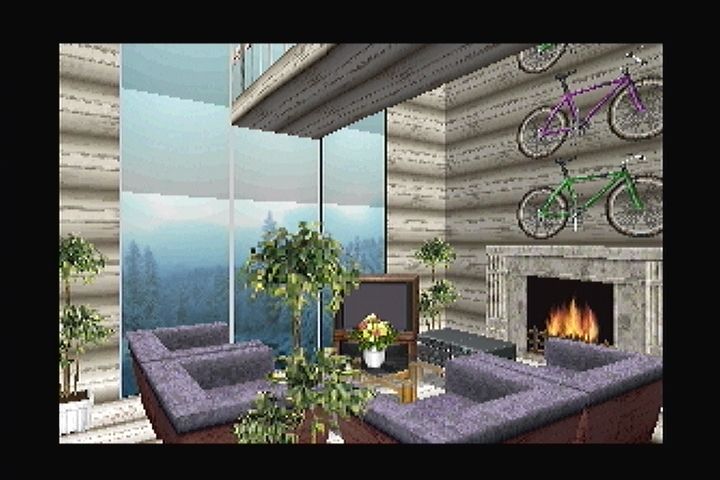
You view your finished spaces from a first-person perspective, which makes doors, floor textures, wallpaper, and placed decorations matter more than they would on a flat floorplan. The shift from building a room to standing in it is the most memorable visual trick here.
The demo locations give the houses a little context, from snowy mountains to a downtown office building, but the focus stays on the rooms you assemble and decorate. The imagery is at its strongest when you use those basic pieces to make each room feel noticeably different from the last.
Story
There is no plotted adventure pushing you from room to room. Your own building project supplies the small sense of progression: an empty layout becomes a connected structure, then a furnished space you can enter and inspect.
That absence of a conventional story is appropriate for the format, but it also means the program depends heavily on your willingness to invent a purpose for each house. A mountain retreat, an office, or a strange fantasy residence can be enough of a prompt if you enjoy self-directed creative play.
Do not go in expecting characters or dramatic payoff. The modest narrative pleasure comes from imagining who might use the rooms and then walking through the result, despite the interruption every loaded doorway creates.
Overall Experience
The Life Stage is an interesting early attempt to make home design feel inhabitable rather than merely editable. When you are placing a door, changing a wall, or dropping in a decoration, you can see the route toward a room you will soon explore from within. That loop still has a quiet appeal.
Unfortunately, the lengthy room-to-room loading is not a minor inconvenience; it cuts directly against the fantasy of freely moving through your own house. The more connected your design becomes, the more often the program asks you to stop and wait. Combined with limits on room scale and complexity, that makes ambition feel punished.
Give it a chance if you have affection for 3DO-era creative software, enjoy constrained building toys, and can take satisfaction in small rooms with a few personal touches. Everyone else will likely find the construction ideas more intriguing than the actual act of living in the homes they create. It is a historically curious house-building experiment with a genuinely nice core idea, held back by the hardware compromises you feel at every door.



Reviews
There are no reviews yet.