 Retro Replay Retro Gaming History, Reviews & Emulation
Retro Replay Review
Gameplay
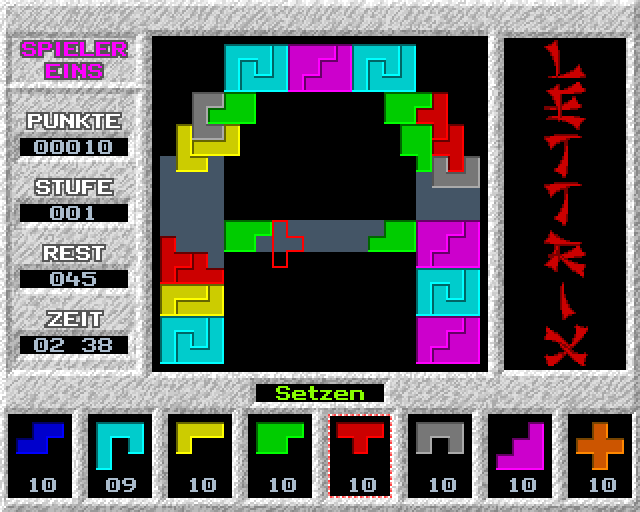
The first few puzzles invite a familiar block-fitting instinct, then Lettrix starts asking a more particular question: can you reconstruct a specific silhouette before time runs out, using only the pieces and quantities you have been given? That fixed target gives each board a satisfying sense of purpose. You are not merely clearing space or chasing a high score; you are trying to make every odd corner and diagonal of a visible shape come together.
The limited block counts are where the pressure really bites. A piece that looks close enough can be a costly mistake if it uses up a shape needed for a tighter gap later. Fortunately, wrongly placed blocks can be picked up again, which encourages experimentation instead of forcing a restart after one poor decision. The catch is that correcting yourself costs time, so the game turns revision into part of the challenge rather than a free safety net.
What starts to click is the habit of studying the holes you need to leave behind, not just the area you can fill immediately. That is a strong puzzle-game lesson, and Lettrix makes it matter because rotating a block only solves half the problem; you must also protect the remaining supply. Frustration can set in when the clock exposes a plan that was technically possible but too slow to execute, yet that tension is also what gives a clean finish its punch.
Two people can tackle the same puzzle together, alternating turns. It is cooperative, but not passive: each move changes the next person’s options, and a careless placement can hand over a messy recovery job. If you enjoy talking through spatial problems with someone beside you, this mode adds more life than simply taking separate attempts at the same puzzle.
Graphics
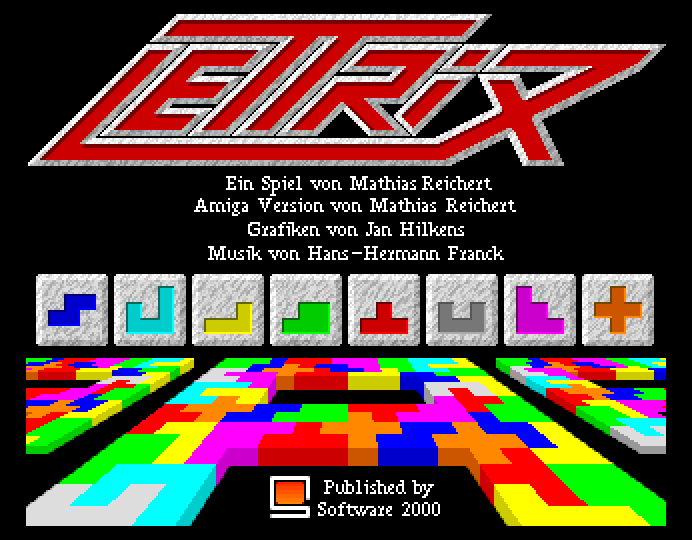
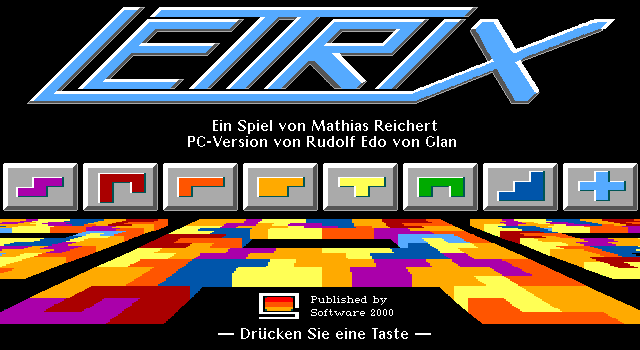
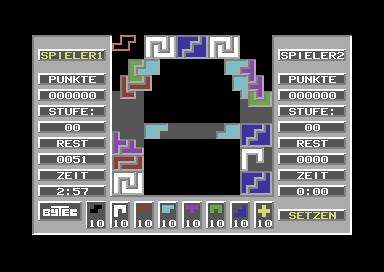
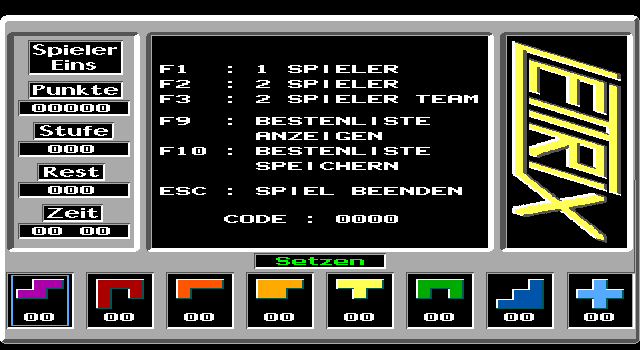
Lettrix keeps the picture focused on the board: a large target structure and the differently shaped blocks used to rebuild it. That direct layout suits a game about fitting forms together, since you can judge the shape you are chasing and the pieces you have to work with at a glance.
Story
There is no narrative detour between you and the next construction problem. The target shape is the objective, and the changing demands of rebuilding it provide the forward momentum.
That stripped-back approach works because the puzzles already create their own tiny dramas: an early placement feels promising, the available pieces begin to look less flexible, and the timer turns a nearly complete shape into a scramble. You supply the satisfaction by finding the arrangement.
Do not come to Lettrix for characters or a larger journey. Come for short, self-contained challenges where the conclusion is a completed form and the reward is knowing you saw the solution under pressure.
Overall Experience
Lettrix is a lean puzzle game with a good central constraint. Rebuilding recognizable shapes from a restricted stock of rotatable blocks is more deliberate than simply dropping pieces wherever they fit, and the timer prevents careful planning from becoming leisurely busywork.
Its greatest strength is that it leaves room for recovery without removing consequences. You can pull up a wrong block, rethink the board, and continue—but you still have to live with the lost time. That balance makes failure feel like information: next attempt, you will know which shape was too valuable to spend early.
Give it a chance if you like spatial puzzles that reward planning ahead and can tolerate a clock making you second-guess yourself. The payoff is not flashy; it is the crisp little rush of making a stubborn outline finally lock into place, alone or through genuinely shared problem-solving with a second player.


Reviews
There are no reviews yet.