 Retro Replay Retro Gaming History, Reviews & Emulation
Retro Replay Review
Gameplay
Core drops you into the caves under asteroid EROC 1 with a task that sounds manageable until the pressure starts building: find the bio-memory chips left behind after an alien attack, while making sure Andrew Angello’s backpack never runs dry. The first few screens establish the mood quickly. You walk, inspect the exits shown on the information bar, and realize that careless movement can drain the power keeping you alive. There is no need for a complicated premise when the immediate problem is so clear: stay alive long enough to understand the place.
The game’s strongest idea is that progress comes from practical scavenging. Batteries restore your dwindling power, while finding the spade opens up the ability to dig into the ground for equipment. That makes early exploration feel purposeful rather than aimless. A screen that initially seems like a dead end may matter later, once you have the right item, and the four-level layout asks you to remember routes instead of simply charging ahead.
Its flip-screen, side-view format also gives every transition a little tension. You are not sweeping through a wide map; you are committing to the next cave screen and hoping it contains an answer rather than another hazard. Booby traps are effective because their cost is immediate and concrete: touch one, lose backpack energy, and shorten your margin for error. That can become frustrating when you are still learning the caves, but it suits the game’s survival-minded design.
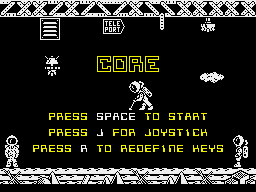
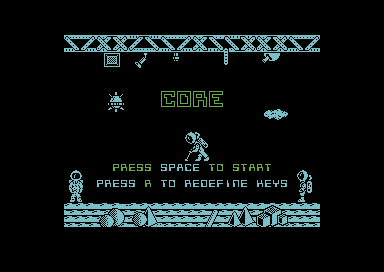
The controls are plain enough—move with the joystick, press down to collect items or use the spade—but Core demands care more than dexterity. Use the save icons when you reach them. This is the sort of game that rewards notes, a calm pace, and a willingness to retrace your steps after finding a useful tool. If you want constant action, its deliberate search-and-survive loop will feel sparse; if a tight resource puzzle sounds appealing, it has bite.
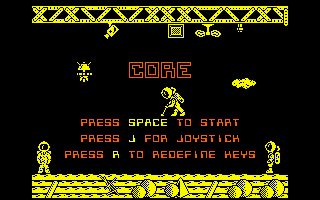
Graphics
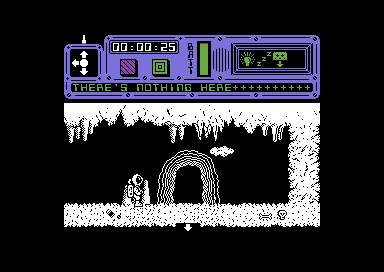
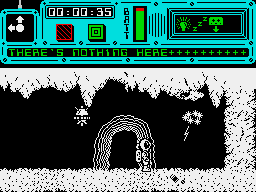
Core uses side-view, flick-screen cave areas, with an information bar kept visible alongside the action. You can see the available directions, time, backpack power, and item icons without leaving the cave screen, which matters when a trap has just eaten into your air supply. The view is functional and easy to parse: Andrew moves from chamber to chamber while the interface keeps the essentials in sight.
Story
The story gives the exploration a solid sci-fi excuse without getting in the way. Human-colonised asteroids sit under Federation protection, yet an alien force has begun wiping them out for reasons nobody understands. Andrew Angello is sent to the attacked EROC 1 because a faint signal suggests its Central Computer is still functioning.
That signal becomes the thread pulling you underground. The bio-memory chips are not just generic collectibles; they are supposed to reveal the aliens’ attack plans and armaments, potentially protecting other asteroids. It is a familiar 1980s science-fiction setup, but it gives the search a useful sense of urgency.
Core does not need a sprawling cast or elaborate twists to make its premise work. The more interesting story is the one created by play: an investigator descending through abandoned caves, piecing together a route from whatever equipment and energy supplies remain. The stakes are simple, but the suffocation timer makes them feel personal.
Overall Experience
Core is a lean, slightly harsh cave expedition built around limited energy and incremental discovery. Its best moments come when you find a battery at the right time, uncover the spade, or recognize how a newly acquired tool changes your understanding of an earlier area. The game is not trying to overwhelm you with variety; it wants you to work through a dangerous place one screen at a time.
That focus also exposes its limitations. The same careful movement and repeated route-checking that create tension can turn into irritation when traps punish experimentation. You need to enjoy the process of learning a compact maze and managing a resource bar, because neither combat spectacle nor story drama carries the experience forward.
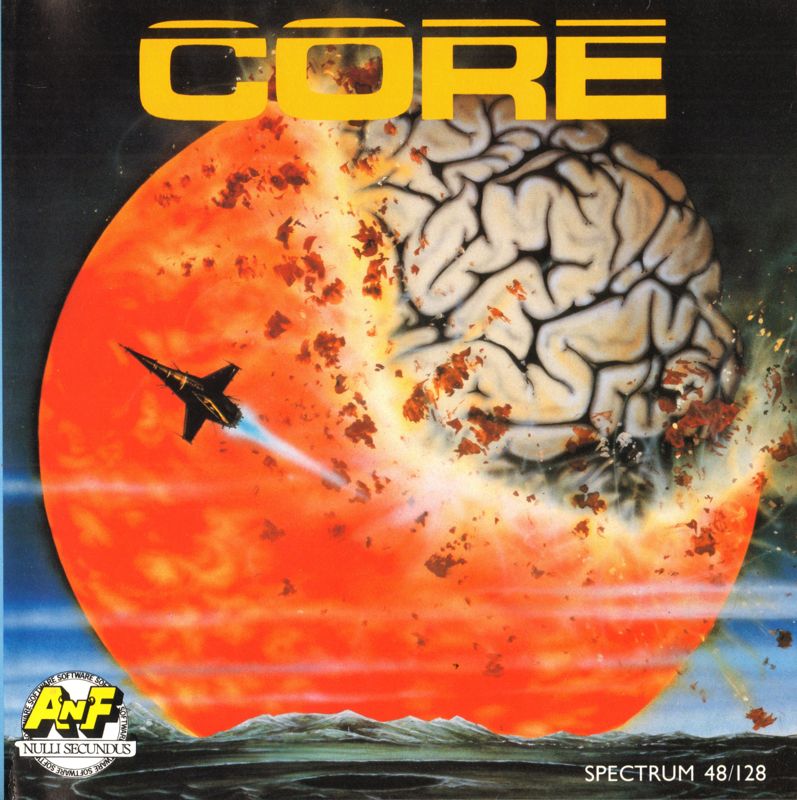
For fans of Commodore 64, ZX Spectrum, or Amstrad CPC adventure-action games, Core is worth trying as a compact example of 1986 design that makes a few systems pull their weight. It lands at a respectable rather than essential level: engaging when its survival puzzle clicks, but too punishing and narrow to become an easy recommendation for everyone.


Reviews
There are no reviews yet.