 Retro Replay Retro Gaming History, Reviews & Emulation
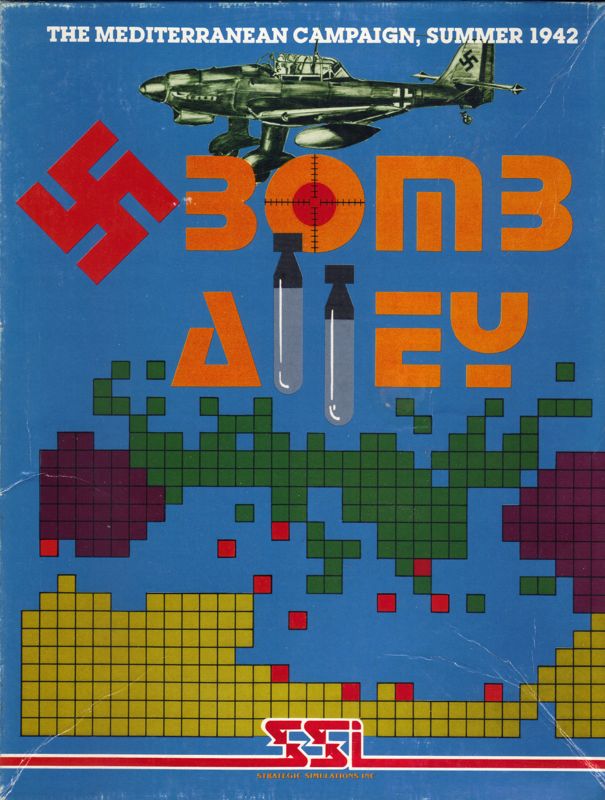

Retro Replay Review
Gameplay
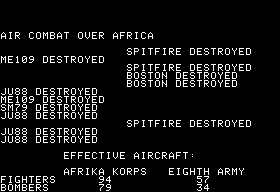
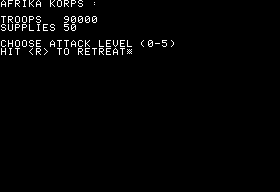
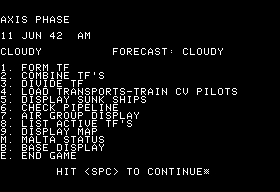
The first few turns of Bomb Alley put you in the uncomfortable, enjoyable position of having too many fronts to care about at once. British and Axis air, ground, and naval forces are all part of the same fight for the Mediterranean and North Africa, so it is not enough to simply shove units toward an objective. You need to decide where reinforcements matter, where troops should be moved, and which air missions justify the commitment before combat resolution closes the turn.
The 12-hour turn structure is a strong fit for the subject. It breaks a huge strategic struggle into decisions that feel immediate without reducing the war to a single battle. A turn has a clear sequence—reinforce, move, launch air operations, resolve combat—and that order makes planning matter. What starts to click is the connected nature of those choices: a decision in one part of the map can leave another force short of support or poorly positioned when the results arrive.
The main campaign, running from June 11 through August 31, 1942, is where that operational scope has room to breathe. It asks you to maintain a plan over many turns instead of chasing a single dramatic clash. That can also be the source of frustration: victory points are calculated at the end, so you need to stay conscious of the larger score rather than judging success only by the last combat you won. The Crete and Operation Pedestal scenarios are the sensible starting point if you want to grasp the system in a shorter contest.
Graphics
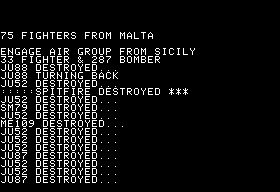
The action is viewed from above on a 40-by-40 grid map of the Mediterranean area. It is a functional wargame view built around tracking positions across sea and land, with the map itself carrying the weight of the game’s visual information.
Story
Bomb Alley does not chase a character-driven war story. Its drama comes from the historical situation: British and Axis forces contesting North Africa and the Mediterranean in 1942, where control of the region depends on pressure from land, sea, and air at the same time.
The campaign’s summer 1942 timeframe gives it a useful sense of momentum. You are not playing an undefined sandbox; you are steering forces through a specific stretch of the Second World War, and the limited calendar makes each 12-hour decision part of a tightening operational race.
The two shorter scenarios add distinct historical frames without asking you to commit to the full campaign. The invasion of Crete in May 1941 and Operation Pedestal in August 1942 give the game a broader Mediterranean perspective, while still keeping the focus on military command rather than personal narrative.
Overall Experience
Bomb Alley is rewarding when you want a wargame that treats the Mediterranean as one connected theater instead of a backdrop for isolated battles. Its strongest quality is the pressure created by simultaneous concerns. You are managing more than a front line, and the game’s turn structure makes every commitment feel like it may shape the next half-day of the war.
It is not a game for someone looking for fast tactical fireworks. The map scale, turn sequence, and end-of-game victory-point calculation demand a measured mindset. You will get more from it by treating the first sessions as lessons in priorities—learn what can safely wait, what requires immediate reinforcement, and when an air mission is worth the risk.
For patient historical strategy fans, the payoff is real. The campaign offers the fuller test, while the shorter scenarios make the game easier to approach without diluting its operational focus. Its age is apparent in the stripped-down map-based view, but the underlying contest still has teeth: every turn asks you to make a decision you may regret later.



Reviews
There are no reviews yet.