 Retro Replay Retro Gaming History, Reviews & Emulation
Retro Replay Review
Gameplay
Strike Zone Baseball is built around the part of baseball that never gets old: the pitcher trying to beat you, and you trying to square one up. In its main strike-zone mode, the game puts you directly in the batter’s and pitcher’s positions rather than asking you to watch the sport from a distance. That immediate, action-first focus is its strongest argument. You can jump into the contest and quickly understand what is at stake on every pitch.
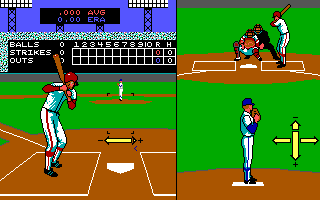
Batting is where the game asks you to pay attention. The on-screen gauges let you alter both the speed and direction of the bat, turning a swing into a decision instead of a single automatic response. That is a satisfying idea for a late-1980s baseball game, especially once you start treating each attempt as an adjustment. Home Run Derby is more than a throwaway extra in that context: it is a useful batting-training mode where you can spend time getting comfortable with the swing controls.
You can also take the mound, which gives the game a welcome back-and-forth rhythm. Switching between pitcher and batter keeps a match from feeling like one long batting drill, and choosing from 26 teams gives exhibition play some variety. The limitation is also plain: this is an action-oriented baseball game, so the tension lives in those individual confrontations more than in deep simulation detail.
A full season adds a modest managerial layer through lineup and batting-order choices. It is enough to make the team you pick feel like more than a uniform, because you have some responsibility for how its offense is arranged. If you want to set a lineup and then personally handle the decisive at-bats and pitches, Strike Zone Baseball has a clean, focused loop. If your ideal baseball game is primarily a dense front-office exercise, this one is aimed elsewhere.
Graphics
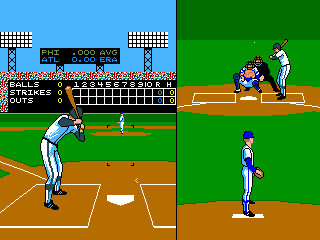
Baseball-player animations are a key part of the game’s look, giving the on-field action some life around its direct batter-versus-pitcher focus. The batting interface is also clearly built around visible gauges for swing speed and direction, so you can see the controls you are working with rather than guessing at them.
Story
There is no dramatic campaign to carry Strike Zone Baseball; its story is the game-by-game one you create on the field. A well-placed pitch, a hard swing, and the next chance to answer back are the moments that give a match its momentum.
Season play supplies the closest thing to a longer arc. Picking a lineup and batting order means you are not only controlling isolated plays; you are deciding how your team takes the field across that extended run.
That makes the game a better fit for someone happy to supply their own baseball narratives. Root for one of the 26 teams, settle on an order you like, and the season format gives your wins and losses more weight than a one-off Home Run Derby session.
Overall Experience
Strike Zone Baseball is most enjoyable when you meet it on its own terms: a brisk, hands-on baseball game centered on pitching and batting. The first few sessions are about understanding the gauges and finding your swing. Once that starts to click, the act of adjusting bat speed and direction gives each plate appearance a little more texture.
Home Run Derby is a smart companion to the main mode because it lets you concentrate on hitting without needing to commit to a full contest. Then, when you want more context for the action, season play and lineup choices provide a reason to care about how you arrange the team before taking control yourself.
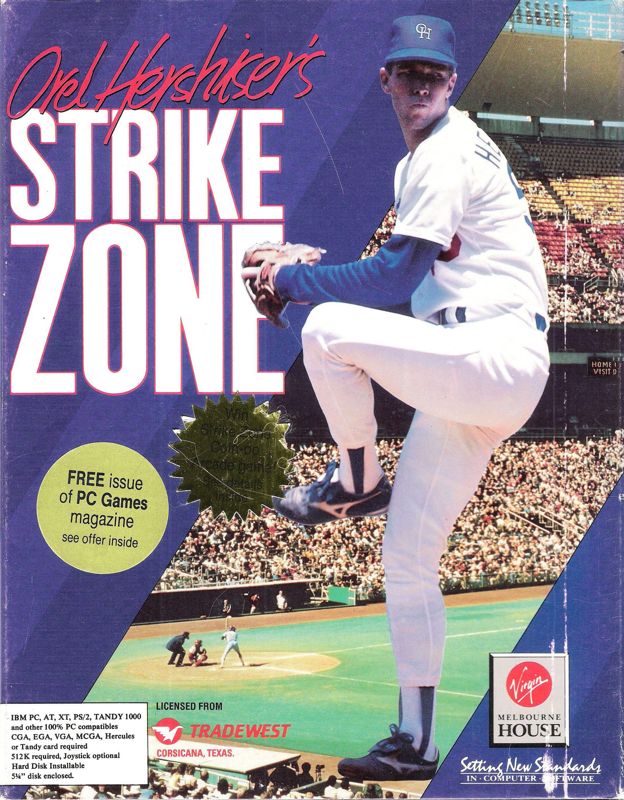
Its payoff is strongest for retro sports fans who value direct input over elaborate simulation. Orel Hershiser’s presence on the DOS version gives that release a recognizable baseball face, but the lasting reason to play is simpler: Strike Zone Baseball makes the pitcher-batter duel the center of everything. Give it a chance if you want an older baseball game that asks you to work the bat, not merely select an outcome.


Reviews
There are no reviews yet.