 Retro Replay Retro Gaming History, Reviews & Emulation

Retro Replay Review
Gameplay
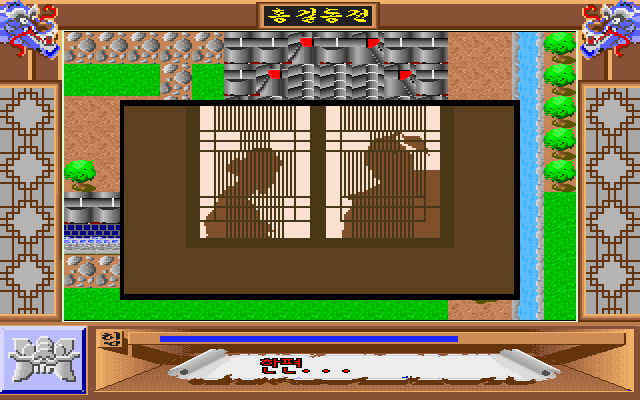
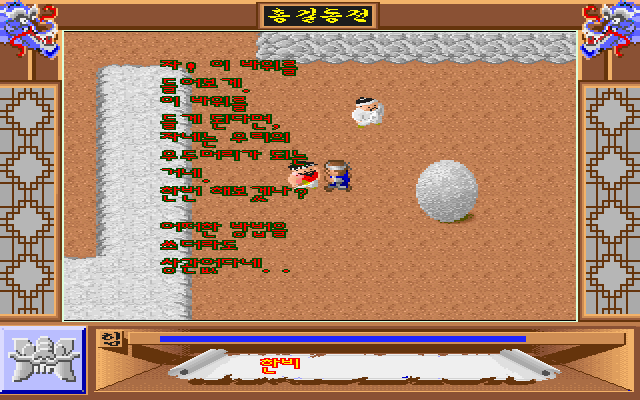
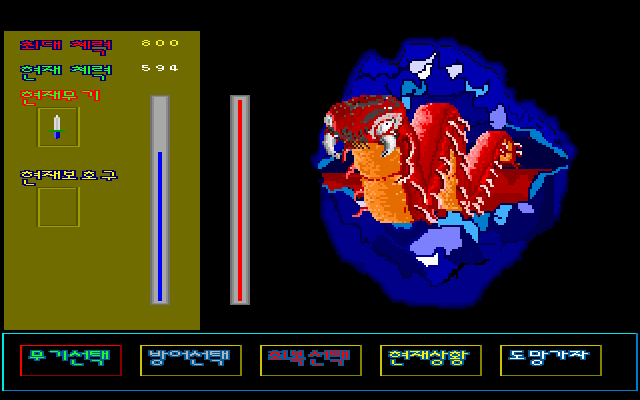
The first hour asks you to settle into a very old-school contract. You explore from a top-down view, random enemies interrupt your travel, and fights are solo turn-based affairs in the vein of the original Dragon Warrior. That simplicity can be immediately comforting if you like early RPGs: there is one hero to manage, a straightforward flow of exploration and combat, and no need to untangle a large party system.
What starts to click is the game’s emphasis on forward progress through places and objects. You are often hunting down plot items, then using them at the correct spot to unlock the next event. When you have a clear lead, that structure gives exploration a purposeful, adventure-game edge rather than making every trip feel like pure grinding.
Frustration is most likely to set in when the trail goes cold. The locations tend to be maze-like, and the game expects you to actively use key items instead of merely carrying them until a scene triggers automatically. Combined with random encounters, that can turn a missed clue or wrong turn into a long stretch of retracing steps. Patience and a willingness to test your inventory are more valuable here than speed.
Graphics
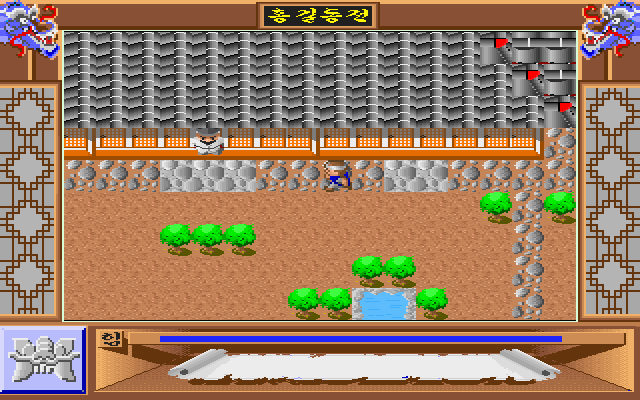
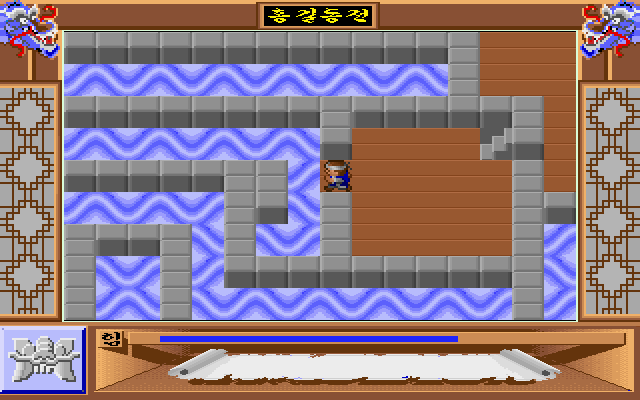
Exploration uses a top-down view, while the game’s maze-like locations make navigation a central part of what you see and do. The visual viewpoint is functional for mapping your route, even when the layouts themselves can make that route difficult to remember.
Story
This is where Hong Gildong-jeon has a more distinctive draw than its Japanese RPG template suggests. It adapts Heo Gyun’s classic Tale of Hong Gildong, putting you in the role of an illegitimate child rejected by his own family. That premise gives the journey a sharper social grievance than the usual generic fantasy setup.
Hong Gildong’s eventual turn toward banditry also carries a clear moral direction: he steals from the rich and gives to the poor. You are not simply collecting items to defeat an abstract evil; the game is built around a hero whose conflict begins with exclusion and injustice. That makes the central character easier to root for.
The item-driven structure can make the story feel stop-start, since the next beat often depends on finding and using the correct object. Still, the underlying tale is a worthwhile reason to push through the more archaic RPG habits. Anyone interested in a Korean literary foundation rather than another borrowed fantasy legend will find real value in that angle.
Overall Experience
Hong Gildong-jeon is a narrow but sincere early RPG: traditional exploration, random battles, simple growth, and one character carrying the whole combat system. It does not hide how demanding its era can be. If you dislike mazes, frequent encounters, or opaque item use, its rough edges will arrive early and keep pressing on you.
For the right gamer, though, those limitations are part of the historical texture. The familiar Japanese RPG framework makes the game approachable on a basic level, while the Tale of Hong Gildong gives it a subject rarely encountered in this style of game. The payoff is less about dramatic mechanical evolution than seeing a particular cultural story filtered through a foundational RPG format.
Try it if you enjoy mapping dungeons, experimenting with inventory, and meeting old games on their own terms. Go in expecting persistence to be tested, especially during item hunts. Hong Gildong-jeon earns a modest recommendation for its source material and direct, uncluttered RPG structure, but it is easier to admire than to recommend broadly.

Reviews
There are no reviews yet.