 Retro Replay Retro Replay gaming reviews, news, emulation, geek stuff and more!

Retro Replay Review
Gameplay
The opening runs put you in the mindset of a working driver quickly. You need to reach stops on time, make the appropriate announcements, obey traffic lights and speed limits, signal your turns and lane changes, and avoid throwing passengers around with harsh acceleration or braking. That is a lot to track, but it gives every stretch of road a purpose. A clean stop after negotiating traffic feels satisfying because you have managed several small responsibilities at once.
The life-bar system is the game’s sharp edge. Minor errors, such as missing an announcement, hurt you less than a collision, yet they all add up. Passing or reaching stations on time restores the bar, so a good run can recover from a mistake, but letting it turn fully red ends your shift early. That creates useful pressure rather than a simple pass/fail timer: you are constantly deciding whether you can settle down and drive cleanly enough to earn back some breathing room.
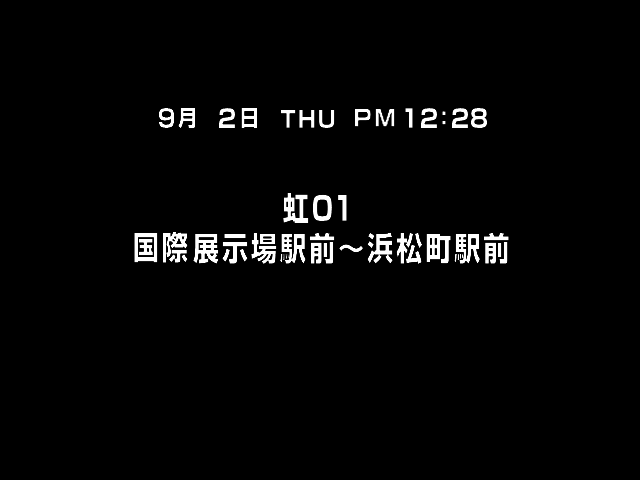
Three routes give the simulation its range. Niji 01 takes you across Rainbow Bridge in the Tokyo Bay area, Tian 70 runs through busy Shinjuku, and Ume 76 heads into western Tokyo’s more rural surroundings. Noon, evening, and night runs alter traffic density and passenger numbers, while Story mode asks you to earn experience before opening some routes and schedules. Free Run is there for a no-consequences drive, though it does not save progress or unlock content.
The limitation is that this is a deliberately narrow driving game. Its pleasures come from repetition, concentration, and gradually becoming less error-prone, not from constant surprises. Missed tasks can feel fussy when you are already navigating traffic, and retirement after too many mistakes may frustrate anyone who wants a forgiving learning curve. Still, once the checklist of responsibilities starts to click, the routine becomes the point.

Graphics
The routes give you three distinct views of Tokyo travel: the Rainbow Bridge and bay area on Niji 01, dense Shinjuku streets on Tian 70, and the more rural western setting of Ume 76. Driving at noon, evening, or night also changes the conditions around the bus, with heavier or lighter traffic and different passenger loads.

Story
Story mode keeps its ambitions modest and personal. At certain stops, short cutscenes show passenger interactions and monologues, giving individual riders a little context beyond being bodies to transport on schedule.
These moments are tied to progress rather than presented as a sweeping narrative. As you encounter them, passenger profile files unlock in the main menu, along with occasional album entries. That makes the story content feel like a reward for steadily learning the routes.
Do not come in expecting drama to take over the drive. The passenger scenes work better as small observations that break up the routine and encourage you to revisit Story mode. They add warmth to a game whose main tension comes from doing the job correctly.
Overall Experience
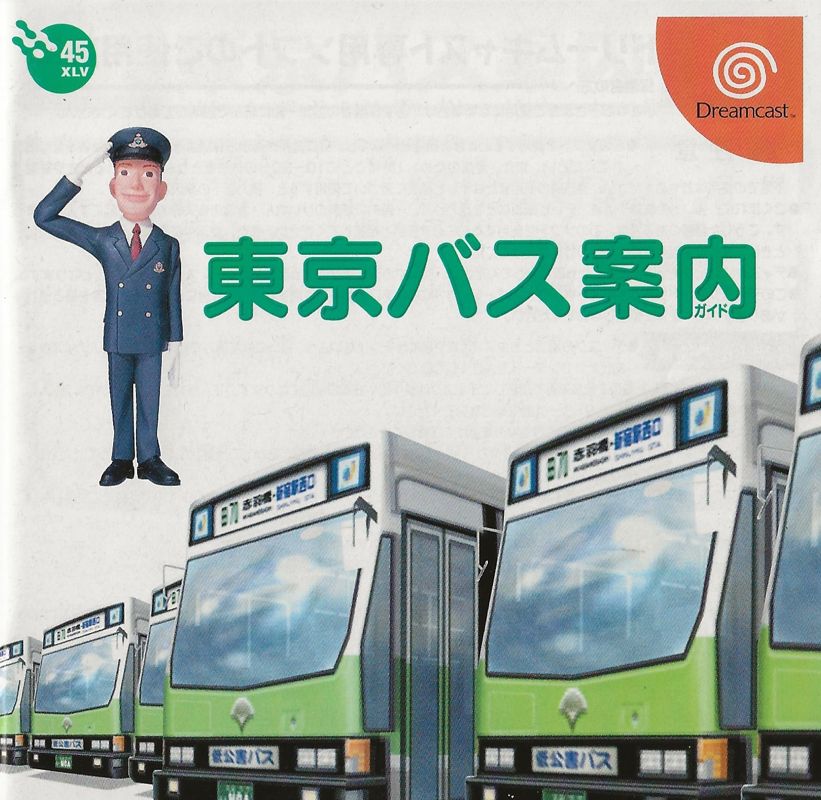
Tōkyō Bus Annai is most enjoyable when you accept that being careful is the challenge. The game makes routine transit work feel demanding: a late stop, rough brake, missed signal, or traffic violation can spoil what otherwise seemed like a solid run. That focus gives it a personality many driving games lack.
The score reflects a game with a clear audience and little interest in chasing everyone else. Its route selection is small, its structure is strict, and the same responsibilities return on every service. Yet the changing times of day, varying traffic and passenger density, unlockable schedules, and passenger snippets give you reasons to improve rather than treat each run as identical.
Give it a chance if you enjoy simulations that reward patience and precision over speed. You will get the most from it by treating early failures as driving lessons, then returning to the routes with smoother inputs and a better eye on the clock. For that particular kind of player, the payoff is a quietly compelling bus-driving routine; for anyone else, it may feel like work without enough room to relax.



Reviews
There are no reviews yet.