 Retro Replay Retro Gaming History, Reviews & Emulation



Retro Replay Review
Gameplay
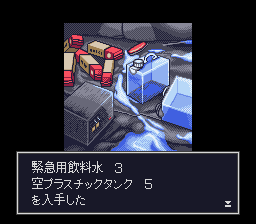
The first pull comes from the simple pressure of being stranded with too little. You have a cabin, some supplies, and a list of immediate needs that refuses to let the island fantasy become a carefree holiday. Keeping water, food, and light sources available turns the basic question of “what should I do today?” into the heart of the game.
Mujintō Monogatari asks you to manage activities rather than constantly act things out in the moment. That makes the rhythm unusually measured: you decide how the protagonist will spend time, then live with the effect on statistics such as stamina and speed. Once that structure clicks, it becomes satisfying to weigh a useful task against the toll it may take. If you want direct, action-led exploration, this can feel remote; if you enjoy arranging a routine and refining it, that distance is part of the point.
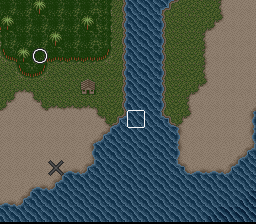
Exploration gives the routine its forward motion. New parts of the island are gradually revealed, while trips beyond your current position must be planned before they proceed automatically. That emphasis on preparation is both the game’s most distinctive strength and its likely frustration. A bad plan is not rescued by quick reflexes, so patience matters more than improvisation.
Other survivors add another reason to push outward. Teaming up and exploring in co-operative mode makes the island feel less like a solitary accounting exercise, even though the central challenge remains making sure everyone can endure. The game is at its best when practical survival concerns and the urge to uncover another location are pulling you in different directions.
Graphics
The top-down view suits a game built around moving through an island and opening up new locations. Its anime and manga styling gives the stranded-survivor premise a lighter, more character-focused look than a harshly realistic survival game.
Story
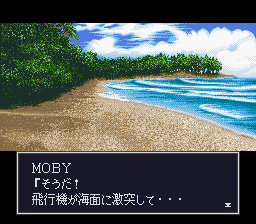
The setup is direct and effective: a plane crashes into the sea, one survivor reaches an island, and a seemingly abandoned cabin becomes the first shelter. It does not need much more to establish the stakes. You immediately understand why every drink of water, meal, and source of light matters.
Rather than racing from one scripted dramatic beat to another, the story is carried by survival and discovery. The island begins as an unknown space, and revealing new locations gives your continued effort a sense of purpose beyond merely surviving one more day.
Finding and working with other survivors is the element that gives the premise extra warmth. It shifts the focus from one person’s isolation toward cooperation, without losing the underlying uncertainty of the island. Anyone looking for a dense, event-driven narrative may find this restrained, but the premise serves the simulation well.
Overall Experience
Mujintō Monogatari is an unusual survival game because it trusts planning more than moment-to-moment drama. Its best moments come when you see how food, water, light, activities, and character condition fit together, then make a careful choice that opens the way to further exploration.
The trade-off is clear: expeditions unfold automatically, so you must enjoy setting a plan in motion instead of personally controlling every risky outing. Frustration can set in when you want a more immediate response to trouble, but the game’s slower structure has a coherent logic. Your decisions matter because preparation is the main form of control.
Give it a chance if you like old-school simulations that make survival a daily logistical problem and let exploration emerge from good management. Skip it if you need constant action or a heavily scripted island adventure. For the right patient gamer, its mix of resource pressure, changing stats, and co-operative exploration offers a quietly compelling stranded-on-an-island routine.



Reviews
There are no reviews yet.