 Retro Replay Retro Replay gaming reviews, news, emulation, geek stuff and more!
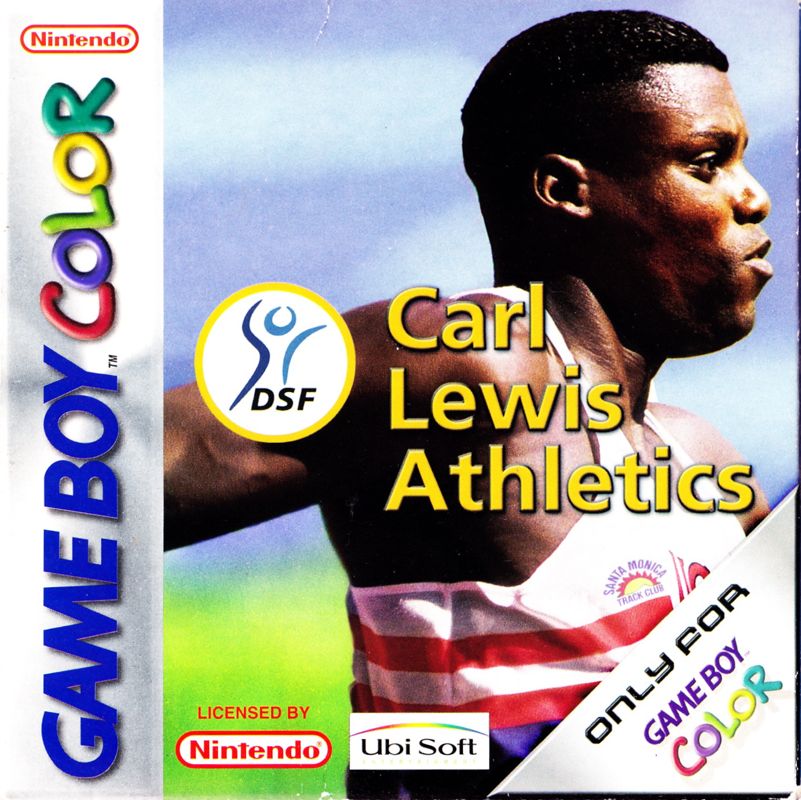
Retro Replay Review
Gameplay
The first few events make Carl Lewis Athletics 2000 feel wonderfully direct. You are not learning a complicated sports simulation; you are trying to keep a steady button rhythm under pressure, then convert that speed into a jump, throw, or clean finish with a timely action press. When you nail it, the simplicity feels right. A few seconds of concentration can separate a respectable attempt from a disastrous one.
The Decathlon is where that tension earns its keep. Its ten disciplines cover the 100 metres, 110-metre hurdles, 400 metres, 1500 metres, long jump, high jump, pole vault, shot put, discus, and javelin, so your athlete needs more than one good specialty. The throws and jumps break up the running events, and the long-format championship makes individual results matter because a rough performance can linger over the rest of the contest.
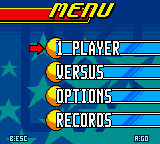
Arcade mode is the better fit when you want immediate goals: meet the required performance and move on. It gives the same events a sharper, less committed rhythm than a full Decathlon. Winning the Decathlon also opens extra hurdles and a 100-metre relay, which is a worthwhile carrot for anyone determined to master the base events.
Creating and training an athlete adds a modest sense of ownership, especially because that athlete is saved to the cartridge and can improve over time. Two-player competition is the natural highlight, and the hot-seat options mean you can share some disciplines even with one cartridge. Infrared ghost transfers are an especially neat reason to chase your own best times; racing your previous run turns solitary score hunting into a more tangible rivalry.
The catch is obvious: rhythmic button mashing is either an instant nostalgia hit or a fast route to tired thumbs. Precision matters, but much of the challenge is maintaining pace rather than making layered tactical decisions. If you enjoy shaving fractions from a time and repeating an event until the timing settles into your hands, that repetition becomes the point. If not, the Decathlon can start to feel like a demanding endurance test in more ways than one.
Graphics
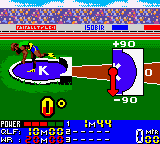
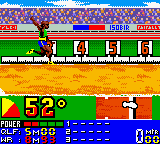
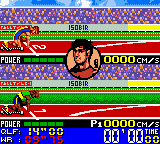
The side-view event screens keep the important action clear: your athlete’s run, jump, or throw is the focus, and the compact Game Boy Color format suits these short attempts. This is a functional sports-game view built for following results quickly rather than lingering over detail.
Story
There is no dramatic campaign pulling you through Carl Lewis Athletics 2000. Its story is the one you make from a created athlete’s performances: train, enter events, improve, and see whether your results hold up across a full Decathlon.
That light framing works because the format naturally creates little personal arcs. A strong sprint can raise your confidence before the field events; a poor throw can make the next race feel like recovery work. The game asks you to care about numbers and consistency rather than characters or plot twists.
Arcade mode tells an even cleaner version of that story. Each target is a small demand: clear it and continue, miss it and try again. It is simple motivation, but it suits a handheld sports game whose best moments come in quick bursts.
Overall Experience
Carl Lewis Athletics 2000 is a good fit if you want a portable Decathlon game that understands the pleasure of repeating a short event until your timing improves. Its controls are old-school on purpose, and the game is at its strongest when you accept that every contest is a small test of rhythm, nerve, and persistence.
Bring a second player when you can. Head-to-head attempts, hot-seat play, and ghost races all give the basic events more life, turning what could be solitary button work into direct bragging rights. Even alone, the saved-athlete training and best-time pursuit offer enough structure to keep a determined competitor engaged.
At 7.4, it lands as a sturdy rather than essential athletics package. The ten-event Decathlon, Arcade targets, unlockable extras, and ghost competition provide real replay value, but none of it disguises how much time you will spend hammering a rhythm. Give it a chance if that classic track-and-field feel sounds inviting; skip it if button-mashing competition has never been your kind of sport.
For an earlier series connection, compare it with The Carl Lewis Challenge. You can also find game-specific background on Wikipedia’s Carl Lewis Athletics 2000 page.



Reviews
There are no reviews yet.