 Retro Replay Retro Gaming History, Reviews & Emulation

Retro Replay Review
Gameplay
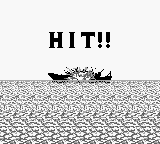
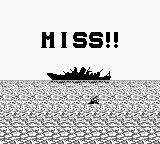
The first few turns feel comfortingly familiar: you are firing into an 8×8 grid, waiting for the gratifying confirmation that a guess found metal rather than open water. Then NavyBlue ’90 starts asking more of you. Before a match, you pick three ships from a pool of seven and decide which extra weapons to bring, so the battle begins with a small but meaningful strategic commitment rather than a standard fleet every time.
That equipment choice is the game’s best addition to the basic Battleship formula. Weapons that scout enemy territory or strike multiple grid spaces at once can break open a stubborn match, but they also demand restraint. Spend a powerful attack early and miss, and you have handed yourself a long stretch of ordinary probing with fewer ways to recover. The tension comes less from complicated rules than from deciding when a hunch is strong enough to justify your best tool.
The time limit keeps the turns from becoming slow, overly cautious math exercises. You have to read the pattern of hits and misses quickly, commit to a square, and live with it. That pace can be frustrating when you are trying to make the perfect deduction, especially after an opponent’s fleet has become difficult to pin down. Still, it gives the game urgency, and it makes a successful late-game read feel earned rather than inevitable.
Graphics
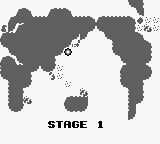
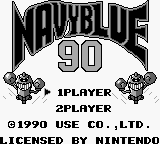
The Game Boy view is built around the naval grid and its top-down board-game perspective. With the action centered on an 8×8 field, the important information is naturally direct: you are watching a compact tactical board, not trying to parse a busy battlefield.
Story
NavyBlue ’90 is interested in the contest itself. Its drama comes from hidden ship placement, the suspicion that an enemy vessel is one square away, and the moment a useful weapon turns a vague theory into a decisive hit.
That stripped-down focus suits the format. Each match creates its own little narrative of bad guesses, lucky breaks, and mounting pressure as the remaining ship positions become easier—or maddeningly harder—to infer.
If you want a strategy game carried by characters or a larger campaign premise, the draw here is much more immediate: sit down, outguess the other side, and sink the fleet first. The stakes are small, but the back-and-forth can still become surprisingly personal once both sides are close to victory.
Overall Experience
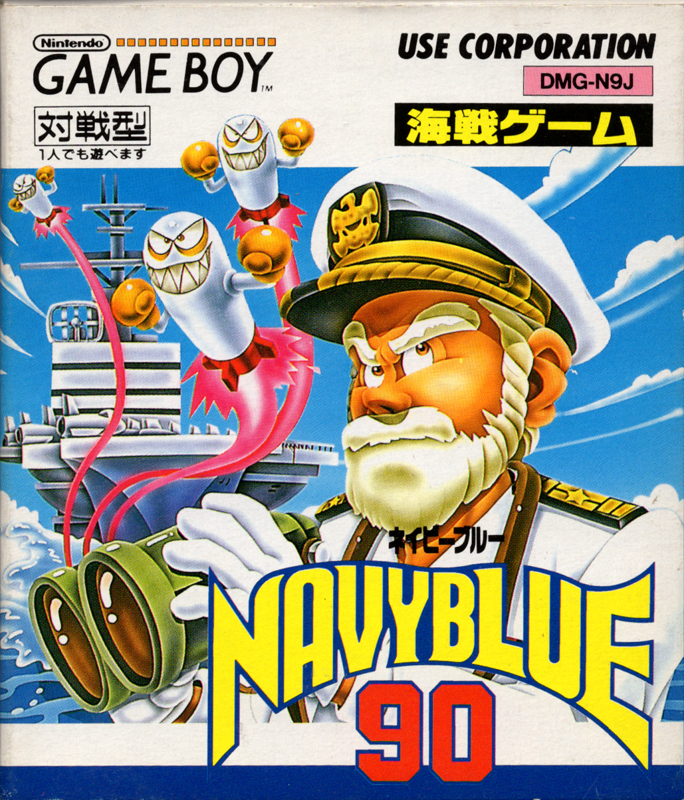
Kaisen Game: NavyBlue ’90 is a smart variation on Battleship because it changes the decisions around the familiar guessing game without burying it. Choosing ships and special weapons gives matches personality, while the timer prevents the whole affair from settling into a leisurely grid-search routine.
It is most rewarding when you enjoy deduction under pressure. You need to be comfortable making an educated guess before every possibility is mapped out, and you need to accept that some matches will swing on a weapon choice that looked sensible a few turns earlier.
The payoff is a compact naval strategy game with more bite than its simple premise suggests. Give it a chance if you want Battleship with a little preparation, a few tactical surprises, and enough time pressure to make every shot matter.



Reviews
There are no reviews yet.