 Retro Replay Retro Gaming History, Reviews & Emulation
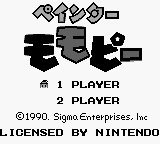

Retro Replay Review
Gameplay
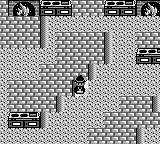
The first room teaches Painter Momopie’s whole language in seconds: every floor tile is dirty, walking over it cleans it, and clearing the room moves you onward. It is immediately understandable, which is exactly why the timer and roaming ghosts land so well. You are not learning a complicated ruleset; you are trying to execute a simple plan before the room turns hostile.
Room shape is where the game earns its tension. Open spaces leave more room to adjust when a ghost drifts near, while tight passages and dead ends make route planning feel urgent. You start by wanting to sweep the obvious paths, then realize that leaving an awkward pocket of dirt for later can be a fatal mistake. The best moments come from seeing a safe route through the remaining tiles and committing to it before the clock makes the choice for you.
The spells add welcome escape valves without changing the central challenge. Stopping time, removing a nearby enemy, or speeding up can rescue a failing run, but every use costs magic points. That limitation matters: spending magic merely because a ghost is inconvenient can hurt when the final untouched tiles are trapped behind danger. Frustration sets in when an enemy blocks the one corridor you need, yet that pressure is also the reason cleaning floors feels more dramatic than it has any right to.
This is a focused arcade game, not one that piles on new systems. Its variety comes from working out how each room’s layout, time limit, ghosts, and finite magic interact. Give it a chance if you like concise challenges that reward route planning and calm reactions; skip it if repeating a room after a bad collision sounds more irritating than motivating.
Graphics
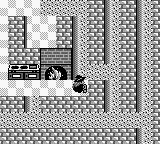
The Game Boy view keeps the action centered on castle-room floors, their dirty tiles, Momopie, and the ghosts that threaten a run. That simple top-down layout makes the important information easy to parse: you can see which ground remains, where passages narrow, and when an enemy is closing off your route.
Story
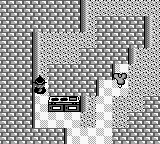
Painter Momopie is built around a task rather than a developed narrative: you are cleaning a castle room by room while avoiding ghosts. That is enough framing for an arcade game whose real drama comes from the next corridor, the ticking limit, and the last few dirty squares.
The fantasy dressing does at least give the hazards and magic a natural home. Ghosts are not just abstract obstacles, and spells feel like part of the castle-cleaning adventure rather than detached power-ups. Still, do not come expecting character development or plot turns; the story stays out of the way.
For a little more on the game’s background and release, the Painter Momopie history page is a useful companion. In play, though, the only narrative you are likely to remember is the small personal one of salvaging a room that looked lost.
Overall Experience
Painter Momopie succeeds because it takes a childishly clear objective and refuses to let you treat it casually. Cleaning every tile sounds peaceful until a ghost turns your planned loop into a trap and the timer makes every detour expensive. It has the clean, immediate pull of a good arcade puzzle: failure is easy to understand, and a better route is usually already forming in your head.
Its limits are equally clear. The game lives or dies on whether you enjoy mastering variations on the same central cleaning-and-avoidance problem. There is little room here for anyone who needs a larger adventure or constant mechanical surprises, and the pressure of enemy contact can make unlucky-looking situations feel harsh.
For the right mood, though, that harshness is part of the payoff. Painter Momopie is a small, sharp Game Boy challenge where efficient movement and disciplined spell use turn routine housekeeping into a tense chase. It is worth revisiting for fans of compact arcade design, especially if you enjoy games that ask you to improve your route rather than simply push forward.


Reviews
There are no reviews yet.