 Retro Replay Retro Replay gaming reviews, news, emulation, geek stuff and more!


Retro Replay Review
Gameplay
Raging Fighter’s first few matches are about getting comfortable with its direction-based attacks. You are not simply hammering one button for the same punch every time: the d-pad changes what comes out, and that makes even the basic act of trading blows feel like something you need to learn. It is a sensible fit for a Game Boy fighting game, where a small set of inputs has to carry a lot of the combat.
The seven fighters do not merely differ in name. Their speed and defense statistics vary, and each has two special attacks tied to button combinations. That gives you a reason to try more than one combatant rather than settling immediately on whoever wins your first bout. The interesting part is working out whether you prefer speed, sturdiness, or a character whose special inputs feel natural under pressure.
Matches use a familiar and effective two-rounds-out-of-three format, so losses do not drag on forever and a comeback always feels possible. Training mode is useful precisely because its opponent does not move; it lets you practice the direction inputs and special combinations without getting interrupted. Tournament, story, and two-player modes give the same fighting foundation different contexts, with local two-player matches likely the most direct test of whether you have actually learned your fighter.
Graphics
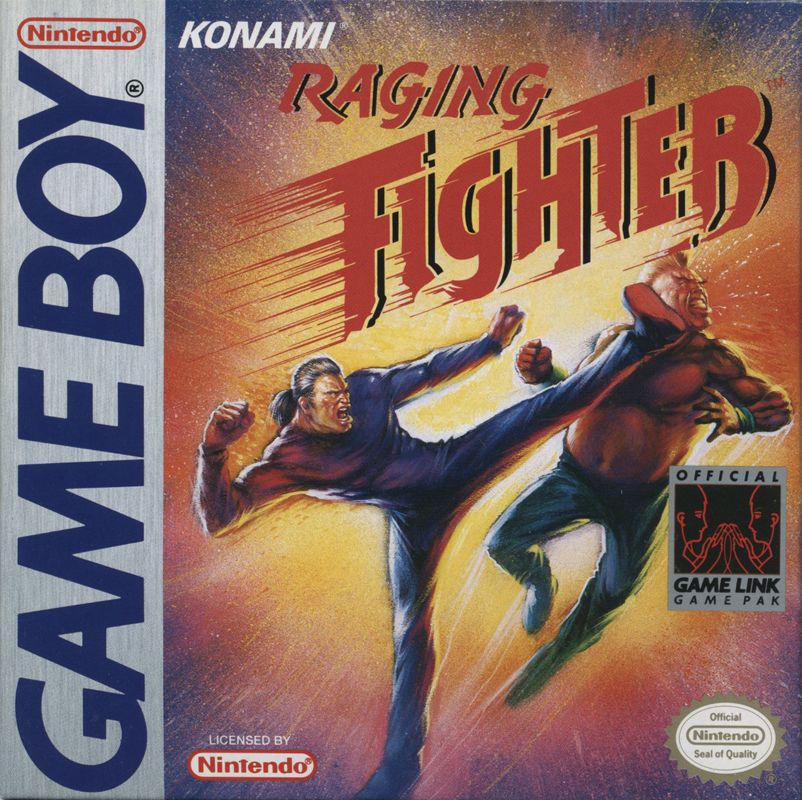
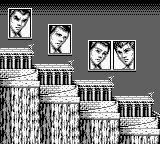
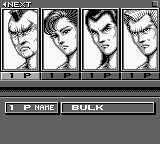
This is a 2D, side-view Game Boy fighter, built around one-on-one bouts rather than a crowded screen. The seven-character lineup at least gives the fights different opponents to look at as you work through the Omega League.

Story
The story setup is straightforward: the Omega League exists to identify the best fighter in the universe. It is an efficient excuse for a sequence of duels, not a premise that asks you to untangle a complicated conflict.
Story mode gives the fights a little forward motion by placing your chosen fighter within that universal competition. If you need a fighting game to carry you with elaborate plot turns, this lean framework will not do much heavy lifting.
Still, the premise suits the game’s scale. You pick a combatant, enter a league of seven fighters, and prove yourself one match at a time. That is enough structure to make the bouts feel connected without getting in the way of the action.
Overall Experience
Raging Fighter is a compact, earnest Game Boy brawler whose value rises with your willingness to practice its inputs. The first hour can feel plain if you only use obvious punches, but the game has more to offer once you start treating the d-pad variations and character-specific specials as tools rather than optional tricks.
Its limits are easy to feel. Seven fighters is a small group, and the central goal remains winning match after match under the same two-out-of-three rules. Frustration can set in if special combinations do not become second nature, because the combat’s personality depends on making use of them.
Give it a chance if you enjoy old handheld fighters that reward a bit of lab time and are even better with another person beside you. It does not have a huge amount of room to grow, but its training, tournament, story, and versus options make it a sturdier package than a single run through the league. For game-specific history and release information, see Raging Fighter’s reference page.

Reviews
There are no reviews yet.