 Retro Replay Retro Gaming History, Reviews & Emulation
Retro Replay Review
Gameplay
The Forbidden Tower starts from a sturdy old role-playing premise: you have a large land to investigate, trouble spreading through it, and enough freedom that simply deciding where to go becomes part of the game. The first stretch is less about being swept along by plot than settling into the rhythm of exploration. If you like mapping out possibilities in your head, poking into places because they look promising, and gradually learning how a world fits together, that rhythm has real pull.
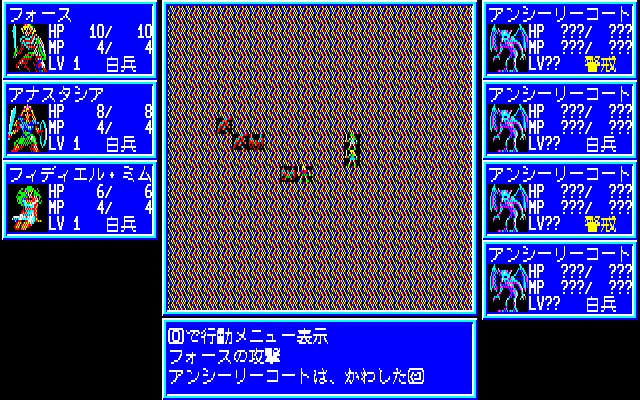
Combat shifts to tactical, turn-based encounters, so the game gives you time to think rather than demanding quick hands. That is a better fit for players who enjoy careful positioning and weighing a move before committing to it. The top-down perspective also suits this style well: you are looking at the field from above, not wrestling with a confusing viewpoint while trying to make sense of a battle.
The catch is that this is an unapologetically traditional sequel. It retains the Ultima-like structure and nearly all of the immediate predecessor’s play style, so it is not trying to surprise you with a radical reinvention. That can become frustrating if you need frequent novelty or a tightly directed quest line. But if The Sign of Chaos clicked for you, the payoff here is simple and worthwhile: another substantial excuse to live in the same style of open-ended, tactical fantasy adventure.
Graphics
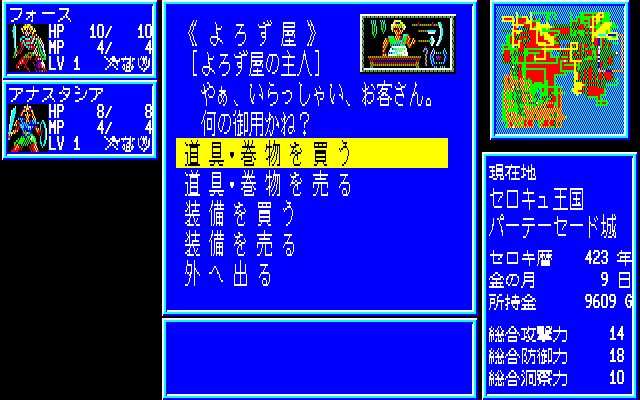
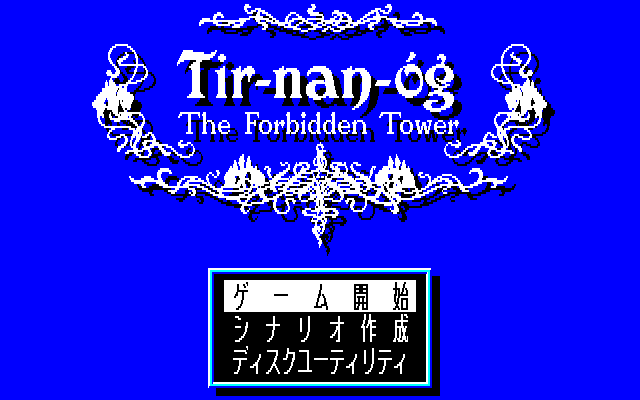
The game uses a top-down view for its exploration and turn-based battles, making the battlefield easy to survey as you move through encounters. Its most noticeable visual update is more individualized graphical imagery for locations in towns, a welcome touch that gives different stops a little more character than a purely text-led town layout would.
Story
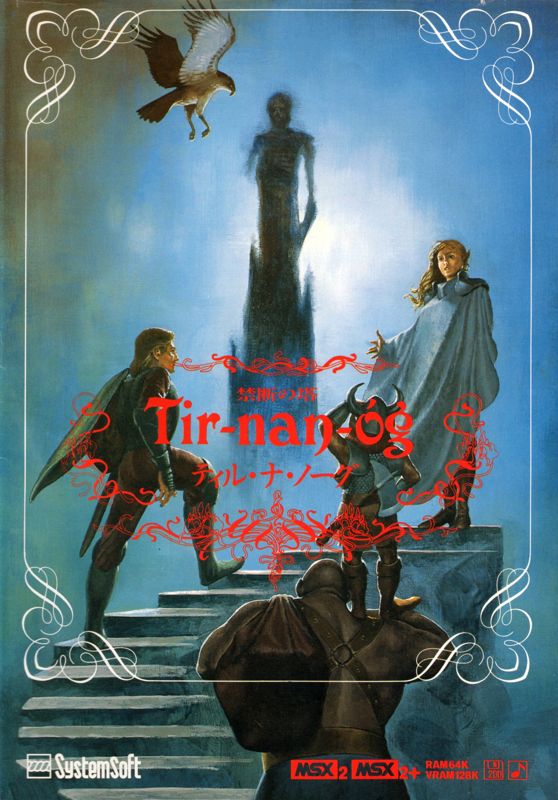
This chapter continues directly from The Sign of Chaos, following the legendary hero and the princess of Fianapia after the chaos of the earlier game. That continuity matters: this is built as the next leg of an ongoing tale, not a clean starting point with everything patiently reintroduced.
The journey leads to Serokyu, the fifth kingdom caught in the spreading disorder as the ancient goddess Dana’s light fades. It is a strong mythic setup, with a threatened land and a wider sense that the world’s old order is coming apart. Irish myth gives the series a distinctive foundation, even when the game is pursuing familiar fantasy-RPG goals.
For the best story experience, come in after The Sign of Chaos. You will have a clearer stake in the returning hero and princess, and the continuation will feel like continuation rather than a lore-heavy opening. If you mainly want a self-contained narrative, this sequel-first structure is a real barrier.
Overall Experience
The Forbidden Tower is for the patient RPG fan who finds pleasure in making their own route through a fantasy world and slowing down for tactical fights. Its strongest quality is commitment: it does not chase a new formula, but doubles down on open exploration and deliberate combat.
That same commitment makes the recommendation narrower than it might first appear. Anyone hungry for major changes after The Sign of Chaos may find the sequel too familiar, since its differences are largely cosmetic. Anyone who wanted more of the prior game’s structure, though, gets exactly that rather than a compromised follow-up.
Think of it as a continuation rather than an entry point or a makeover. Start with the previous game if the series is new to you; return here if its Ultima-like wandering and turn-based encounters already have their hooks in you. For that audience, Serokyu is a satisfying place to continue the journey.


Reviews
There are no reviews yet.