 Retro Replay Retro Gaming History, Reviews & Emulation


Retro Replay Review
Gameplay
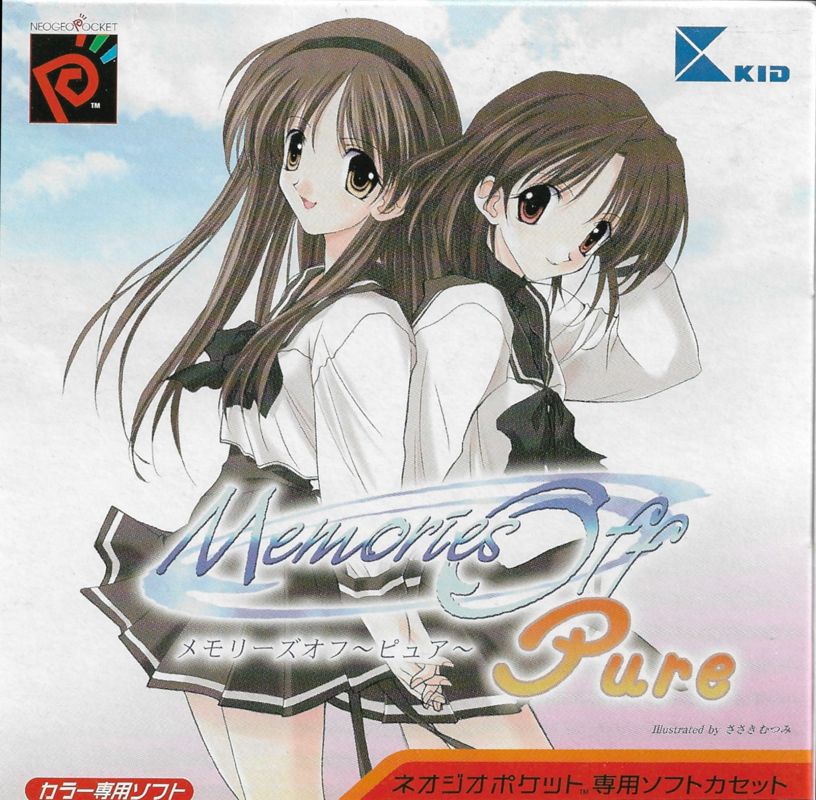
The first hour asks you to meet Memories Off: Pure on its own terms. You read, you get to know Tomoya, Yue, and Ayaka, and every so often you make a choice that redirects the story. There is no elaborate layer of exploration or strategy between you and the drama, so the pacing lives or dies on whether you want to spend time with these characters.
That stripped-back format can work nicely on a handheld. The decisions arrive as moments of commitment rather than constant interruptions, and the different endings give a reason to revisit the story if one route leaves you curious about the roads not taken. Still, “occasional” is the operative word. You are mostly reading, not solving problems or mastering a system.
Pure uses the same decision-led visual-novel structure as Memories Off, but its prequel status gives it a more pointed pull for series fans. Newcomers can follow Tomoya’s earlier life, while returning fans will be more alert to the significance behind certain relationships. Go in ready to let the writing and route choices carry the experience.

Graphics
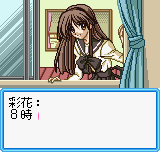
On Neo Geo Pocket Color, Pure is a compact anime/manga visual novel built around written scenes and character-focused imagery. The handheld format suits its personal scale: you are spending time in conversations and relationships, not watching large-scale action unfold.

Story
The strongest reason to play Pure is its position in the series timeline. It takes place three years before Memories Off, when Tomoya is still in middle school, and centers on his bond with Yue and Ayaka. That narrower focus gives the story a chance to linger on formative relationships instead of trying to cover an entire ensemble.
Ayaka’s tragic fate is already mentioned in the preceding game, which changes the flavor of this prequel. Rather than leaning on surprise alone, Pure can build tension from foreknowledge. If you have played the first game, seemingly normal scenes may land with a sadness they would not otherwise have; if you have not, the story still functions as an earlier chapter in Tomoya’s life.
The route structure matters here because your decisions shape the course of those relationships and determine which ending you reach. That makes the emotional material more personal than a completely linear novel, even if the choices are infrequent. It is a story for gamers who enjoy romance drama with an underlying sense that the good moments may not stay uncomplicated.
Overall Experience
Memories Off: Pure is a modest but purposeful prequel. Its limited interactivity will frustrate anyone hoping for a dense adventure game, and it does not pretend otherwise. You are here to read a relationship story, make a handful of consequential calls, and see where those choices lead.
For fans of Memories Off, the payoff is clearer: Pure lets you return to Tomoya’s past and view Yue and Ayaka through the added context of the original. That connection gives its quiet scenes more weight and makes the alternate endings worth pursuing. It is less essential as a standalone game than as a companion piece, but it has a coherent emotional reason to exist.
Give it a chance if you like old-school visual novels that prioritize character relationships over constant interaction, especially if you already care about this series. Skip it if you need regular gameplay challenges to stay engaged. Pure is narrow, slow, and choice-light, yet that restraint suits a prequel built around memories and consequences.

Reviews
There are no reviews yet.