 Retro Replay Retro Gaming History, Reviews & Emulation


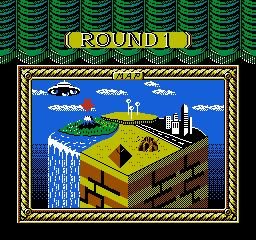
Retro Replay Review
Gameplay
The first few minutes of Dai Meiro: Meikyū no Tatsujin make its priorities plain. You move through a 3D maze one step at a time, searching for the special items needed to unlock the final door. It is a clean, demanding loop built around orientation and nerve. Since there are no enemies to fight and no random battles interrupting you, the maze itself has to carry every bit of pressure—and it mostly does.
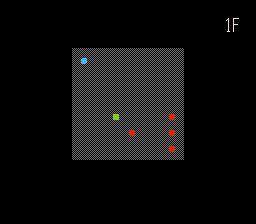
POW turns movement into a resource-management problem. Each step drains it, while useful pickups can restore it, so wandering is never harmless. You can bring up a mini-map when you are stuck, but it also costs POW. That is a smart little tradeoff: a map can save you from getting lost, yet relying on it too freely can leave you short on the energy needed to capitalize on that knowledge. Once this starts to click, the game feels less like blind wandering and more like planning a route under a tight budget.
Secret rooms and helpful items give exploration a welcome sense of possibility. You are not merely tracing corridors until luck delivers the exit; you are watching for opportunities that could make the rest of a run more manageable. The three mini-games tucked into the maze add a change of pace, though the central draw remains the act of mapping space in your head and deciding how much POW you can afford to spend.
The difficulty settings matter because they completely alter the maze layouts. That is a far more interesting reason to replay than a simple bump in punishment. If you enjoy old-school dungeon navigation and the satisfaction of gradually turning a confusing maze into familiar territory, this is the kind of focused challenge that can get its hooks into you. If you need combat, frequent story beats, or a lot of variety between objectives, its single-minded structure may wear thin fast.
Graphics
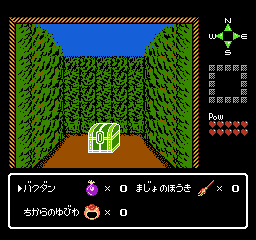
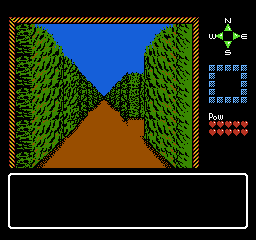
The action is shown from a first-person view inside the maze, fitting a game that wants you to feel disoriented until you learn the layout. The mini-map offers a practical visual aid when you decide the POW cost is worth paying.
Story
This is not a story-led adventure. Your purpose is immediate and functional: reach the goal, but first locate the special items that open the last door. That stripped-down setup suits the game’s maze-first design, because it never asks you to care about anything more than the next decision at the next intersection.
The absence of a larger narrative means your own progress supplies the momentum. Finding a needed item, uncovering a secret room, or realizing how one corridor connects to another becomes the reward. It is a very game-like kind of journey, where understanding the space matters more than being carried through a plot.
That will either feel refreshingly pure or a little dry. Dai Meiro does not appear interested in dressing up its puzzle with drama; it trusts the maze to create its own tension. Go in wanting a compact test of navigation rather than a tale, and that blunt focus works in its favor.
Overall Experience
Dai Meiro: Meikyū no Tatsujin is a stern but thoughtfully constructed maze game. Its strongest decision is tying both movement and map use to POW, because it makes information valuable without adding combat or random encounters. You are always managing the risk of one more unexplored path against the possibility that you will need that strength later.
The payoff comes slowly. At first, getting lost can feel punishing, especially when every step has a cost. But when you begin remembering landmarks, rationing map checks, and spotting routes that lead toward required items, the frustration turns into the exact satisfaction maze games are built for. The challenge is not about reflexes; it is about staying calm and thinking ahead.
Give it a chance if you like deliberate first-person labyrinths, resource pressure, and games that let mastery come from learning a place inside out. Skip it if you want combat, a plot to follow, or constant new distractions. For its narrow audience, though, Dai Meiro has a pleasingly uncompromising puzzle-game core.



Reviews
There are no reviews yet.