 Retro Replay Retro Gaming History, Reviews & Emulation

Game Overview
Gameplay
The first hour is spent learning to slow down. A door is not just the next bit of hallway. It could conceal an enemy, a trap, or a hostage situation that punishes the wrong tool. SWAT divides its work among searching, combat, and conversation, so you are constantly deciding whether to gather one more piece of information or push farther into the building while the clock keeps moving.
Its five-person team setup becomes interesting once you recognize how fragile coverage is. You arrange the formation, select equipment, and assign each officer an attack, support, evade, or healing command before an encounter resolves. Injuries matter because they can leave a direction unguarded, turning what seemed like a manageable room into a dangerous gap in the team. The game is less about fast reflexes than accepting responsibility for a bad call before the result arrives.
Noise and restraint give the combat decisions real bite. Gunfire can alert nearby enemies, while a wire can incapacitate someone for questioning and a knife kills. Gas is not a carefree solution when vulnerable hostages may be caught in it. Clearing a floor also means calling the outside unit to evacuate prisoners and hostages, then obtaining the password needed to continue. That rhythm makes progress feel earned, although the menus and relentless clock can frustrate anyone who wants instant tactical action. For a useful point of comparison, Tom Clancy’s Rainbow Six pursues hostage rescue through a far later style of tactical planning; this is a much stricter, command-driven ancestor rather than part of that series.
Graphics
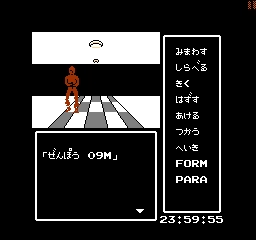
The first-person building view is stark and almost abstract: nearly white boxy corridor walls, a gray checkerboard floor narrowing toward a black doorway, tiny overhead lights, and small orange-brown human figures. Straight lines and flat colors make the space easy to parse, but the sparse detail gives the building a cold, primitive look rather than a convincing real-world interior.
Story
The stakes are clear from the briefing. A terrorist group called Pigeon Dust has taken over a building and is using hostages to demand the release of prisoners and helicopters. SWAT does not turn that setup into a character-driven drama. Instead, it uses the crisis to make every floor feel like another step in an escalating rescue operation.
Conversation is where the scenario gains some texture. Rescued hostages can be spoken with, and captured enemies can be interrogated, so information is not treated as flavor between fights. You have a practical reason to preserve people and pay attention to what they say, which fits the game’s central pressure better than a simple body count would.
The story works because it stays attached to your decisions. You are trying to extract people, manage captives, and finish before the deadline, not chase a pile of cinematic twists. That restraint makes the hostage situation feel like a problem you must solve, even if the writing itself is far more functional than dramatic. The original Famicom SWAT instruction booklet is a helpful companion if you want the intended details behind its procedures and cautions.
Overall Experience
SWAT is an unusually serious-minded Famicom game. Its tension comes from uncertainty, limited control over an encounter once commands are chosen, and the knowledge that delay is also a mistake. A team wipe or a missed deadline ends the operation, so success feels less like overpowering the game and more like keeping a fragile plan intact.
It can be opaque and punishing. The command-heavy pace will test your patience, especially when a costly outcome follows a choice that did not seem dramatic at first. Yet that harshness is also why the rescue work has weight. You cannot simply blast through a building and call it tactical play.
Give it a chance if you enjoy early strategy games that demand note-taking, caution, and a willingness to learn through failure. Skip it if you came looking for a fast first-person shooter or a smooth modern squad simulation. For the right mood, its compact hostage crisis delivers a tense, distinctive tactical puzzle that still feels more deliberate than most games built around a gun and a hallway.


Reviews
There are no reviews yet.