 Retro Replay Retro Gaming History, Reviews & Emulation

Retro Replay Review
Gameplay
The first hour has a clean, easy-to-grasp rhythm: inspect a location, hunt down its listed objects, store the findings in Nicole’s PDA, and follow the new lead that opens up. That loop has a pleasant detective-game pull because each cleared scene feeds the larger serial-killer investigation. The map also keeps your route focused; locations remain available only while they still contain work, so you are rarely left wondering whether an old area is worth another sweep.
Crime Lab becomes more demanding once its clues start feeding puzzles and lab work. Found objects are not merely checklist clutter: you use them to unlock further evidence, while lab analysis arrives as a series of timed mini-games. The range helps break up the hidden-object searching, from DNA matching to fishing keys out of an aquarium with a magnet while avoiding obstacles. Still, the timer can turn a methodical investigation into an irritating scramble, especially when a test is the thing standing between you and the next lead.
The penalty system is more forgiving than it first sounds. Fail a mini-game three times and you may spend earned score points to bypass it; decline, and you can continue attempting it until you succeed. Points come from nearly everything, including searches, puzzles, secret files, and case check-ups, so they have a useful safety-valve role. On DSi, a few puzzles use the camera for hand motions such as turning a crank or wiping dust, though you will want a well-lit room for those sections.
There is a stubbornly linear side to all of this. You cannot begin a suspect interrogation until every required clue is in hand, and dialogue offers no choices. Your boss and Internal Affairs periodically quiz you on the case with multiple-answer questions; wrong answers cost bonus points rather than ending the game, which is merciful, but the quizzes feel more like a progress audit than an opportunity to reason your way through the mystery. If you enjoy exhaustive evidence gathering, that structure is fine. If you want a detective game that lets you pursue hunches, it can feel restrictive.

Graphics
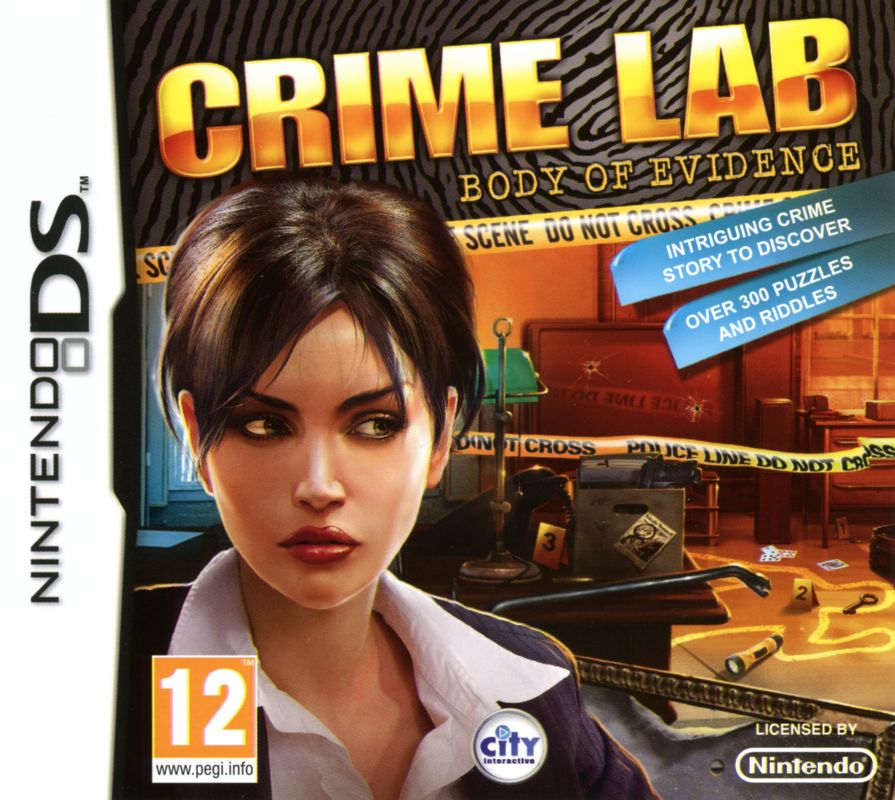
The game trades the earlier series’ on-screen view of Nicole for a first-person perspective. Crime scenes are framed for object hunting, while the PDA handles the evidence notes and map. That choice fits the DS investigation format, even if it means you spend little time seeing Nicole herself.

Story
Nicole Bonnet is again on the trail of a serial killer, and the case is delivered in small, practical increments: victim information, recovered clues, lab results, and the next location. That steady drip suits a portable mystery. You are usually given a concrete reason to keep digging rather than being asked to wander blindly.
Conversations mostly involve Nicole’s boss, partner, crime-lab staff, and suspects, but they are strictly informational. They move the case forward or hand over another clue; they do not let you shape Nicole’s attitude or steer an exchange. The interrogation setup has a nice detective-fiction idea at its core—bring collected evidence to a suspect and force a confession—but the requirement to find everything beforehand removes much of the drama of deciding what to present.
The secret files on serial killers add optional investigation material and reward thorough searching with score points. They are a better fit for the game’s evidence-minded structure than the mandatory check-ups, which can make you recite case facts instead of discovering them. The result is a story that is serviceable and appropriately procedural, but more directed than involving.
Overall Experience
Crime Lab: Body of Evidence works best in short sessions, when clearing one location, passing one lab task, and opening one more destination feels like solid progress. The PDA ties its systems together well enough that you always have your victim notes, clues, and travel map close at hand. There is a dependable rhythm here, even when it is not a particularly imaginative one.
Its frustrations are built into the format: hidden-object lists gate progress, timed mini-games can interrupt the investigation’s pace, and the game leaves little room for deduction outside its prescribed chain of evidence. The point economy softens the rougher puzzle moments without fully removing the sense that you are completing requirements rather than cracking a case on your own.
Give it a chance if you want a DS mystery with plenty of object searches, small puzzles, and a clear trail to follow. Skip it if your ideal detective adventure depends on branching conversations or flexible suspect work. For game-specific release background, see the Crime Lab: Body of Evidence history; as a game, it is a decent portable diversion that never quite rises above its rigid investigation checklist.


Reviews
There are no reviews yet.