 Retro Replay Retro Gaming History, Reviews & Emulation
Retro Replay Review
Gameplay
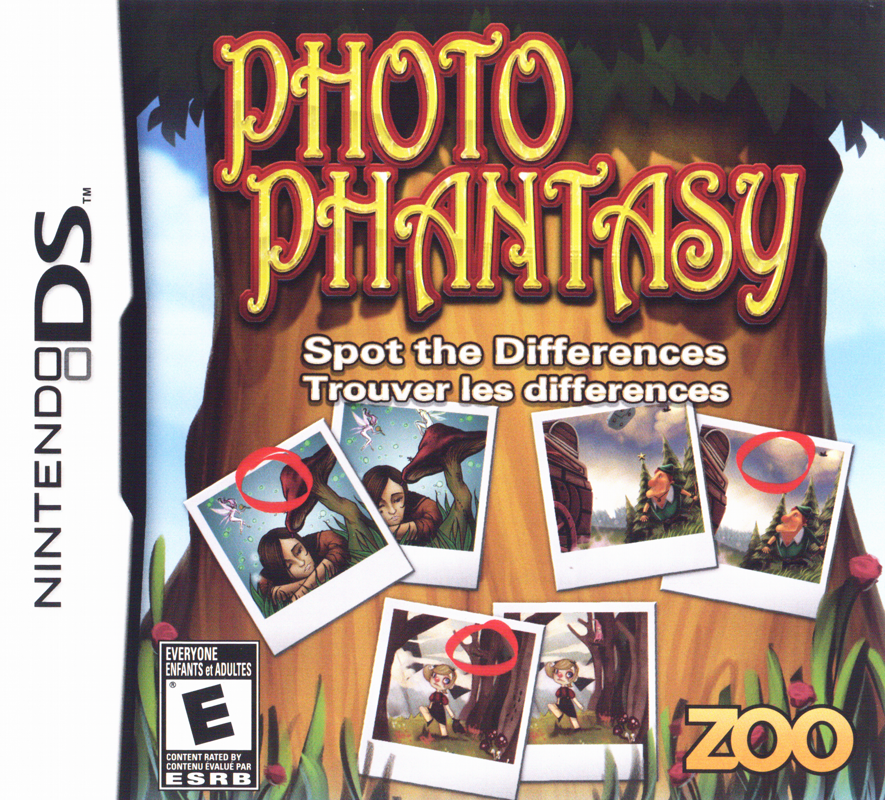
The first few minutes of Photo Phantasy: Spot the Differences are immediately legible. Turn the Nintendo DS on its side, look from one screen to the other, and start hunting for small changes between two near-matching images. The stylus is a natural fit for marking what you find, and the portrait-like arrangement lets your eyes move back and forth without the awkwardness of squeezing both pictures onto one small display.
There is more pressure here than the cozy premise initially suggests. Every stage is timed, while the three difficulty settings ask you to find five, six, or seven differences. Five is a comfortable warm-up; seven is where a picture you thought you had thoroughly checked can suddenly feel full of blind spots. That steady escalation is the game’s main source of tension, and it works well for quick handheld play.
The consumable power-ups force an actual decision. Hourglasses fully restore the level timer, while magnifying glasses reveal a difference automatically, but each story starts with a set supply and there is no way to refill it. You can spend one to save a run that is slipping away, or hold on and trust your own eyes. That small layer of resource management keeps hints from becoming an effortless escape hatch, though it can also make a wasted item sting.
Multiplayer is a welcome fit for the format. Helping someone search turns the game into a low-key shared puzzle, while competing to find differences faster gives familiar images a sharper edge. Neither mode changes the core activity, but both make the simple loop easier to revisit.
Graphics
The key visual trick is the two-screen comparison itself: two slightly different versions of an image sit side by side when the DS is held vertically. That layout makes the hunt easy to understand at a glance and keeps your attention fixed on the details that matter.
Story
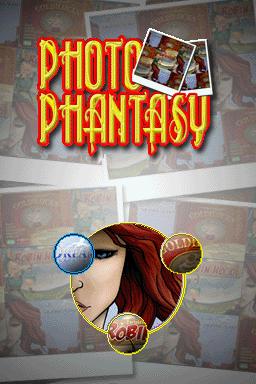
“Story” is a light wrapper rather than a reason to play on its own. Dreams, Goldilocks, and Robin Hood are three themed sets of image puzzles, giving your sessions a little context and a reason to move from one batch of comparisons to the next.
Goldilocks and Robin Hood are especially recognizable choices for this kind of game because they give the puzzle sets a familiar label before you start scanning. The theme matters less than the images’ differences, but switching among the three stories helps prevent the structure from feeling like one undifferentiated sequence of screens.
Do not come in expecting a plot-heavy adventure. The stories serve the spot-the-difference challenges, and that is perfectly fine: the game is about close observation under time pressure, not narrative payoff.
Overall Experience
Photo Phantasy is a focused little puzzle game that understands the best use of its format. You can pick it up for a single timed image, make a few tense comparisons, and put it down again. The sideways DS setup is more than a novelty; it makes the central task comfortable and immediate.
The biggest frustration is also part of the challenge: when one final difference refuses to reveal itself, the timer and limited hints can make a missed detail feel disproportionately costly. If you like leisurely hidden-object games with unlimited help, this stricter approach may wear on you. If you enjoy the satisfaction of finally catching the tiny change that has been staring at you, it creates exactly the right kind of irritation.
Give it a chance if you want a compact, stylus-friendly visual puzzle with a bit of resource pressure and an easy local multiplayer hook. It does not need a complicated rulebook or a grand story to earn a place in short breaks; it simply asks whether your eyes are sharper than the clock.



Reviews
There are no reviews yet.