 Retro Replay Retro Gaming History, Reviews & Emulation
Retro Replay Review
Gameplay
Akai Katana starts with the classic bullet-hell promise: a screen crowded with threats, a tiny vulnerable point on your craft, and the exhilarating realization that there is just enough space to survive. The first hour is about learning not to flinch. You are not dodging every projectile with panicked sweeps; you are threading deliberate gaps while keeping your eyes on the hit box and the enemies that are feeding the pattern.
What lifts it above a straightforward dodge-and-shoot exercise is the push and pull between defense and attack in Origin and Climax. Defense lets you move quickly, destroy enemies at close range, and gather energy. Attack slows you down but increases your firepower, while bullets passing over the energy orbiting your ship build it further. Switching back converts that buildup into usable energy, which fuels Phantom mode. That loop gives each risky move a purpose. Flying close is not reckless showboating; it is how you prepare for a stronger turn.
There is real tension in choosing when to slow down. Attack mode is tempting when an enemy needs to disappear now, yet slowing your ship in the middle of dense fire is exactly where nerves can get the better of you. The system begins to click once you stop treating modes as emergency buttons and start planning your position around them. Your support character adds damage too, though its use changes with the selected mode, giving each ruleset a little more to absorb.
Slash is the most useful reason to keep digging after you have sampled Origin. It replaces the energy system with steel orbs that can become katanas, changing the feel of play rather than merely adjusting numbers behind the scenes. Three pilots and their distinct craft and power options offer further room to find a fit. Three lives and three smart bombs soften the entry enough that a mistake does not automatically erase a promising run, while still leaving the six stages demanding enough to reward practice.
Graphics
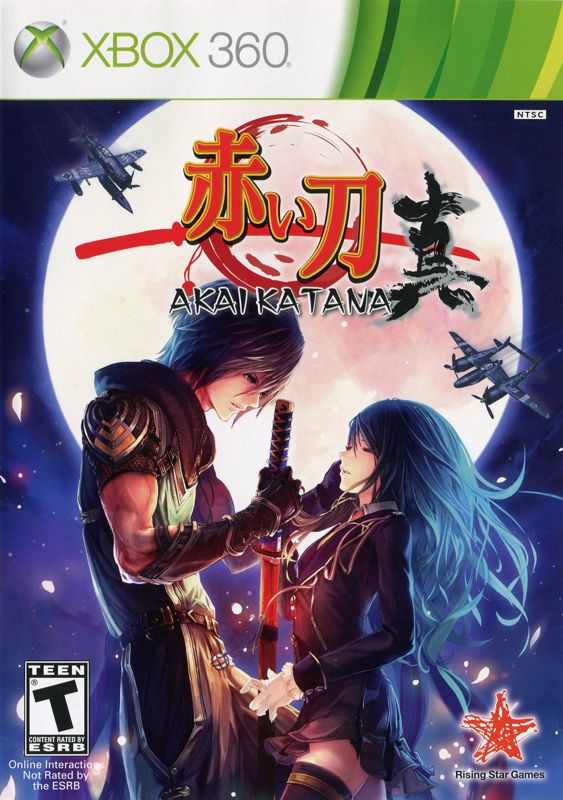
The action is viewed from above, with World War II-era-style aircraft carving through dense bullet patterns. The clear top-down layout is important here: you need to track your ship, its orbiting energy, enemy fire, and the pockets of safe space quickly. The three selectable pilots and their different craft give the roster some welcome personality within the arcade format.
Story
You play a rebellious pilot taking an aircraft against his former masters. It is a clean arcade-shooter setup, one that puts you in the cockpit with a clear enemy and little need for lengthy explanation before the shooting begins.
That spare framing works because Akai Katana’s drama comes primarily from surviving its encounters. The story gives your flight a direction, but it does not distract from the more immediate question of whether you can hold your nerve through the next bullet pattern.
The three pilots provide a choice of craft and power, which helps the campaign feel less anonymous than a single-ship assault. Do not come for an elaborate narrative; come for a focused rebellion told through repeated, escalating sorties.
Overall Experience
Akai Katana is at its best when you accept that survival and scoring are intertwined. It wants you to take risks, move close, collect resources, and use the mode systems intelligently rather than sitting at a safe distance and firing forever. That makes early runs intense, occasionally overwhelming, and far more satisfying when the systems finally become instinctive.
The included tutorial videos are a meaningful advantage. Bullet hell can look hostile from the outside, especially when scoring systems pile on top of basic dodging, and these explanations give you a path into the game’s ideas. Start with the mode that feels most comfortable, use the bombs without guilt while learning, and pay attention to why each death happened. Progress comes from recognition and restraint, not blind persistence.
Its 7.5 score feels right. Akai Katana offers a strong, flexible CAVE shooter framework with enough variation in its three modes to justify repeat sessions, but it still asks for concentration and a willingness to study dense patterns. If you enjoy shooters that turn evasive movement into a deliberate resource game, it is well worth your time. For mode details and official information, see the Official Akai Katana page.


Reviews
There are no reviews yet.