 Retro Replay Retro Gaming History, Reviews & Emulation


Retro Replay Review
Gameplay
The first hour earns your attention with a strong reversal: Sherlock Holmes is not simply solving a crime but becoming implicated in one. That changes the usual detective-game rhythm. You are still inspecting rooms and pursuing leads, yet every new fact has the potential to make Holmes look worse. When Watson takes a more central role, the investigation gains an enjoyable note of uncertainty rather than treating the famous partnership as a foregone conclusion.
Most of your time goes into proper sleuthing. You search London locations for highlighted points of interest, inspect evidence up close, collect physical items, and draw information from conversations. The close examinations are especially important: simply finding an object is often not enough, and looking at it carefully can expose the clue you actually need. Some evidence tools also ask you to answer questions afterward, making the inspection feel more involved than a simple item hunt.
The deduction board is the game’s best idea. Combining clues to establish leads gives the case structure without turning it into a straight line, and the fact that deductions can alter how evidence is used makes you think about what conclusion you want to support. Open investigations let you choose locations and decide which leads deserve attention, though that freedom can also produce the familiar adventure-game moment where you have gathered plenty of information but still need to work out the next useful connection.
Frogwares wisely gives you several ways to manage that friction. You can play in third person, switch to first person, or use a more traditional point-and-click movement style; the ability to run also makes revisiting London less tedious. If you are stuck, sixth sense highlights interactive objects, with a difficulty-based cooldown, and puzzles can be simulated for newcomers. Use those aids without guilt: the mystery is more satisfying when you are following its logic than when you are exhaustively sweeping every room.
Graphics
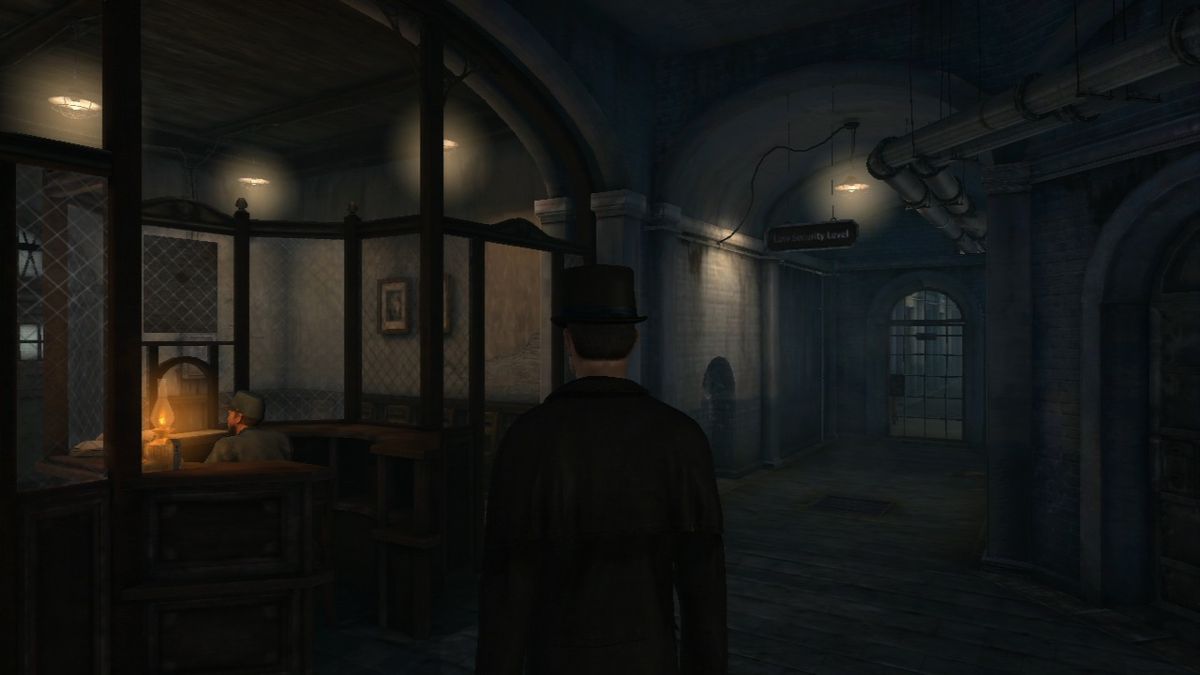
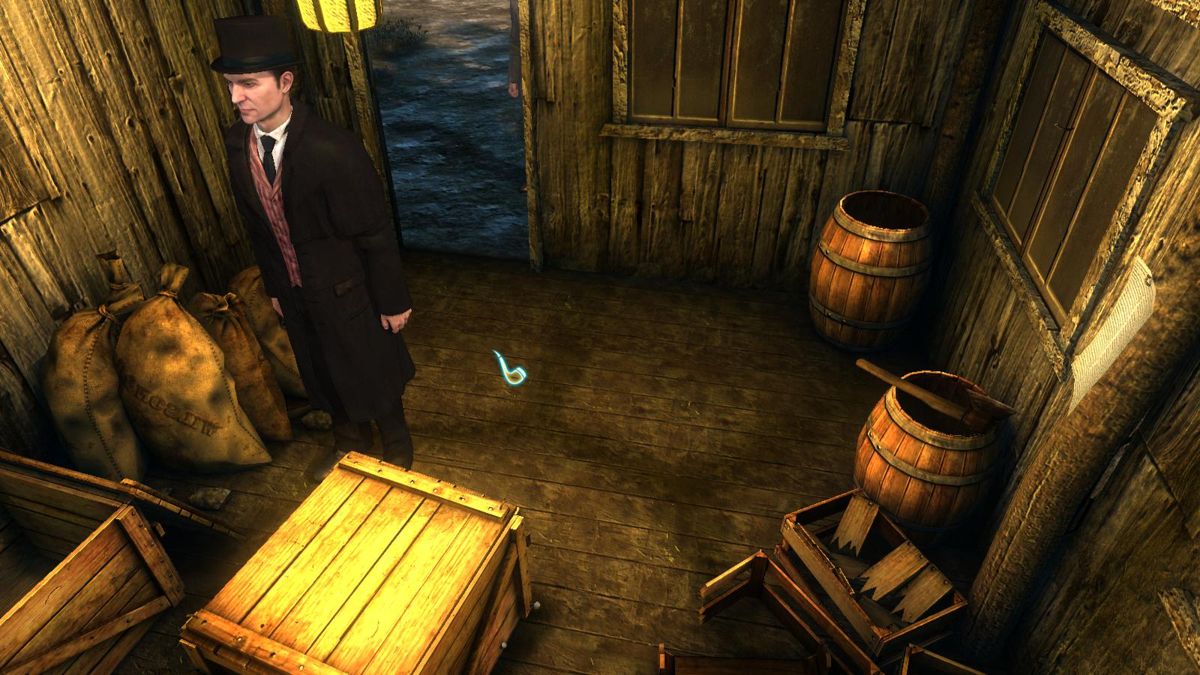
The game lets you examine 1898 London from a third-person camera or move into first person, with a fully rotatable view for searching scenes. That flexibility is useful when you need to spot a small clue or take a closer look at evidence, and the classic point-and-click option offers a cleaner way to navigate the same spaces.
Story
This is an original Sherlock Holmes story rather than an adaptation of an Arthur Conan Doyle case, and that gives it room to put Holmes in a genuinely uncomfortable position. He returns jewels only to discover the necklace is fake, then arrives for an appointment to find the Bishop of Knightsbridge tied up and mutilated. The evidence begins pointing toward Holmes, which is a far more compelling starting point than another puzzle built around proving how brilliant he is.
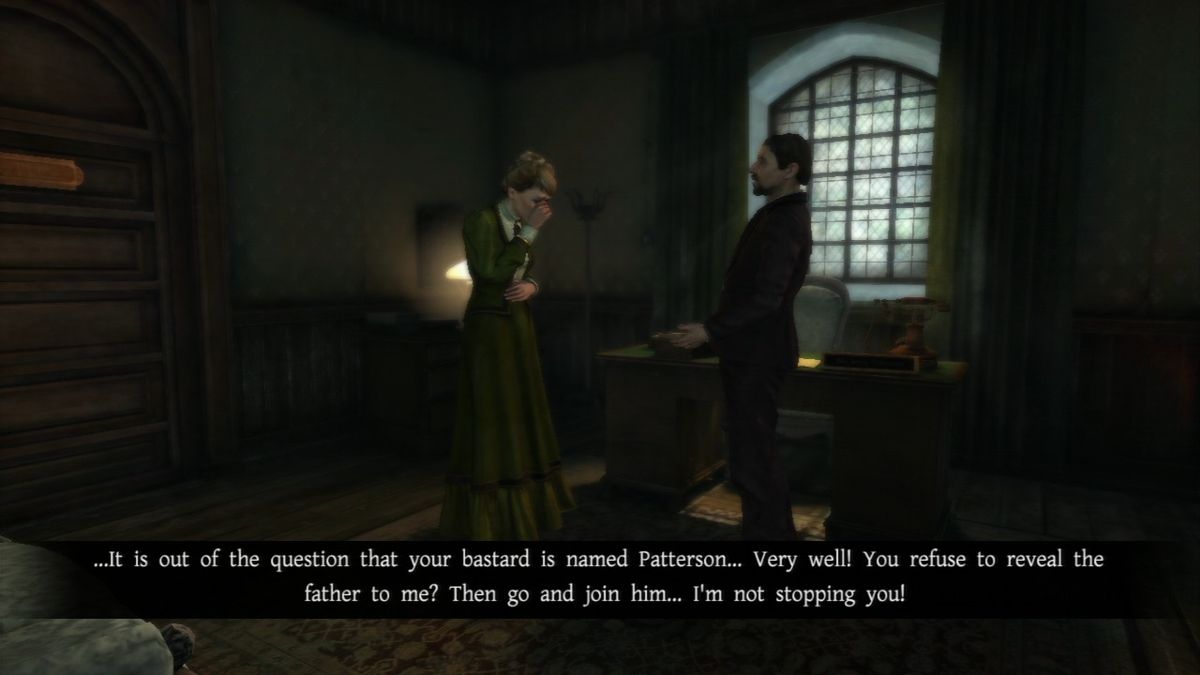
The shift toward Watson is the story’s sharpest move. Instead of asking you to admire Holmes from a distance, it asks you to investigate him through the eyes of the person closest to him. Watson’s need to determine whether his partner is truly involved gives conversations and discoveries an extra layer of tension: you are not only identifying suspects, but deciding how much faith Holmes deserves.
That premise carries the game through its slower investigative stretches. The case has enough personal stakes to make documents, dialogue summaries, and the steady accumulation of clues feel purposeful. If you like Holmes most when his certainty is challenged, this is a particularly effective use of the character.
Overall Experience
The Testament of Sherlock Holmes is a strong, patient detective adventure. It asks you to observe, compare, question, and commit to deductions, then gives you enough freedom to feel as though you are pursuing a case instead of following a single trail of breadcrumbs. The trade-off is that you need to be comfortable with a measured pace and occasional uncertainty about which clue to pursue next.
Its accessibility options make the recommendation broader than usual for this kind of game. Veteran adventure players can lean on the deduction board and work through the evidence themselves, while less experienced detectives can use hints or simulated puzzles to preserve the momentum of the story. Either way, the central question—whether Holmes is being framed or is truly guilty—does real work.
Give it a chance if you want a mystery that treats investigation as more than a string of locks and inventory problems. The open-ended lead structure and Watson-focused suspicion do not eliminate every bit of genre friction, but they make the payoff worthwhile. For additional release and game history, see The Testament of Sherlock Holmes.



Reviews
There are no reviews yet.