 Retro Replay Retro Gaming History, Reviews & Emulation
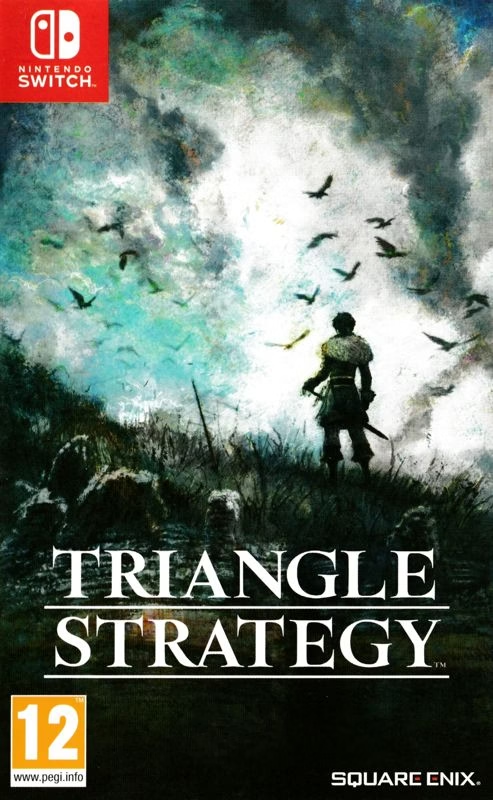
Retro Replay Review
Gameplay
Triangle Strategy is at its best when a fight initially looks straightforward, then forces you to rethink every square of ground. Elevation matters, favorable positioning matters, and attacks become more satisfying when you arrange a flank or set up a follow-up strike with an ally. It is deliberate tactical RPG combat that rewards a patient eye for the battlefield rather than impulsive aggression.
The character roster gives that planning some welcome variety. Allies bring distinctly different traits, so choosing a party is not just about bringing your strongest names along. You are encouraged to think about how individual abilities can work together, then make those decisions pay off through coordinated attacks and smart placement. The battles promise real depth without needing to turn every encounter into a pile of needless systems.
Between major conflicts, the Encampment gives you useful ways to prepare. You can talk with allies, shop, improve characters and weapons, and test your group in Mental Mock Battles at the Tavern. Those extra battles include different victory conditions, making them more than a routine warm-up. If you enjoy experimenting with a formation before the stakes rise, Triangle Strategy gives you room to do that.
Graphics
The 2D, diagonal-down battle view puts the focus on terrain and elevation, which suits a game where your position can decide a fight. Its fantasy battlefields are built to make movement across the field easy to parse, keeping attention on where each unit can gain an advantage.
Story
Norzelia is a continent still marked by the Saltiron War, with salt controlled by Hyzante, iron tied to the snowbound Grand Duchy of Aesfrost, and Glenbrook caught between them. That resource-driven conflict gives the political drama a solid foundation. When the balance among the three powers begins to collapse, the story has more on its mind than a simple march toward a final villain.
Your decisions are shaped by Utility, Morality, and Liberty, and those convictions affect both the route through the campaign and the allies who may join you. The result is a story that asks you to live with your priorities, not merely pick the answer that sounds most heroic in the moment. That is a stronger use of branching choices than treating them as cosmetic dialogue flavor.
The Scales of Conviction makes major choices a group decision. You can argue your case and try to convince companions before a vote determines the next step, which puts meaningful tension into the party dynamic. For a useful outline of the conflict and its decision-making framework, the publisher’s Triangle Strategy overview lays out the central stakes clearly.
Overall Experience
Triangle Strategy earns its strongest moments by joining thoughtful turn-based combat to decisions with real consequences. A carefully arranged attack feels good, but it lands even harder when the people available to fight at your side and the road ahead have been shaped by your convictions. The strategy and narrative are pulling in the same direction.
Come here if you like tactical RPGs that ask you to slow down. You need to consider the terrain, consider your party, and consider whether you can persuade allies to see a difficult choice your way. Gamers looking for a breezy, combat-only campaign may find that emphasis on deliberation demanding, but it is exactly what gives the game its character.
This is an easy recommendation for anyone who wants battles with enough tactical texture to reward planning and a political fantasy story that takes its choices seriously. Triangle Strategy does not treat victory as the only question. It keeps asking what kind of leader you become on the way there, and that makes the payoff worth the careful pace.


Reviews
There are no reviews yet.