 Retro Replay Retro Gaming History, Reviews & Emulation


Retro Replay Review
Gameplay
The first hour’s pull comes from its clean transition out of routine. You begin with a man whose life has become dull enough that strange dreams feel like a welcome disruption, then a laptop program literally opens the door to another world. That setup makes even the early reading feel purposeful: you want to know why he has been called, why these visions started, and whether the “savior” label is anything more than a desperate assumption.
Once you arrive in Amirion, this is firmly a visual novel. You read, make occasional decisions, and live with the route those choices create. That makes it a better fit for an evening when you want to settle into a branching story than for one when you want constant interaction. The reward is replay value: with over 20 endings, a first conclusion is unlikely to feel like the only answer the game has.
The laptop is more than a throwaway opening device. Its ability to revisit earlier events is genuinely useful in a choice-driven game, particularly if you return after a break or want to retrace how a route developed. Checking email and adjusting options through the same device also keeps the protagonist’s old life present after he has been dropped into a fantasy adventure.
Patience is the main requirement. If you need tactical systems, action, or frequent puzzles to stay engaged, the steady reading and intermittent decisions may feel thin. If you enjoy testing different responses and seeing where a cast’s relationships and circumstances lead, the structure gives you a clear reason to revisit it.

Graphics
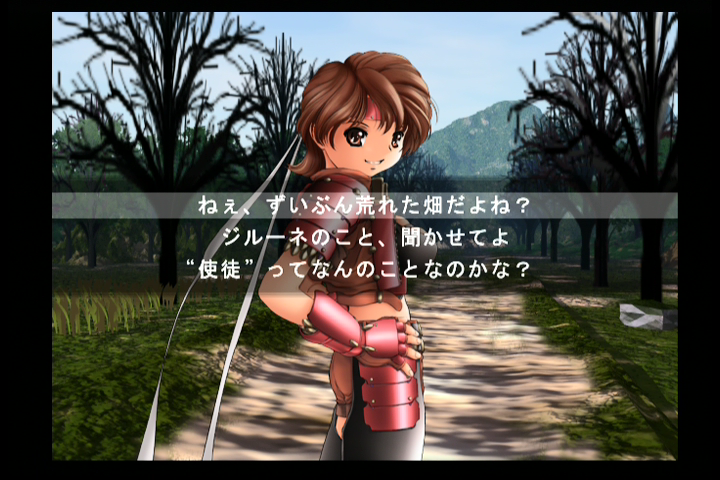
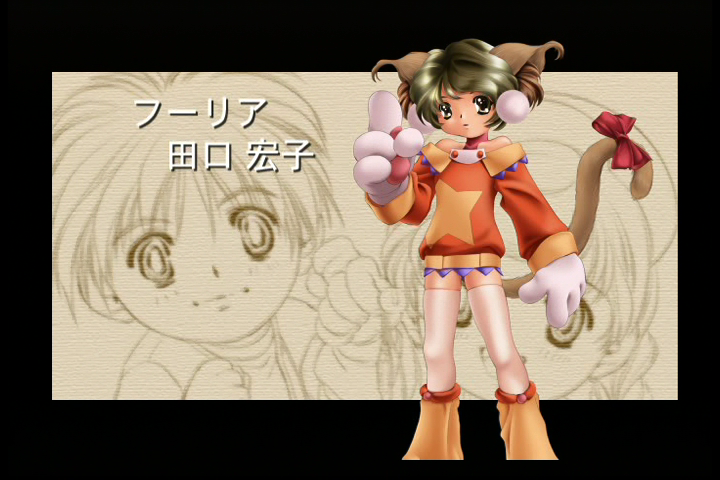
This is an anime/manga-styled visual novel centered on character scenes and text. The most concrete visual contrast is built into the premise: an ordinary salaryman and his laptop sit beside a fantastical kingdom and five girls who greet him as their expected hero.

Story
Its strongest storytelling move is putting a nameless, unremarkable office worker at the center of a grand fantasy summons. He is not presented as someone chasing adventure; he is pulled from a ho-hum life by dreams, visions, and a voice asking for help. That gives the journey an immediate human angle: before he can become a savior, he has to figure out what has happened to him.
The laptop-program inciting incident is delightfully odd. A picture-book creator sounds harmless, almost mundane, which makes the burst of light and otherworldly awakening land with more charm than a standard magical portal. Keeping the laptop with him is an even better decision, because it lets the modern world linger rather than disappearing the moment the fantasy begins.
The five girls’ belief that he is their savior supplies a direct reason for the party to form, while his lack of a route home gives him little choice but to go along. It is a familiar fantasy engine, but one that suits a branching visual novel: the central question is not merely whether he can help, but how he responds to a role he never asked for.
More than 20 endings are the story’s biggest promise. They make choices matter beyond a single conversational beat and give curious players room to see the premise from different angles. Completion-minded fans will have plenty to chase; anyone content with one route can treat the first ending as a personal version of the tale rather than an obligation to exhaust every branch.
Overall Experience
Kanojo no Densetsu, Boku no Sekiban. is a niche but appealing choice for visual-novel fans who like portal fantasy with a mundane modern-world wrinkle. Its best quality is the way it begins with boredom and uncertainty rather than instant heroics. You are invited into the fantasy alongside a protagonist who is as confused by it as you are.
It will not win over someone looking for a game built around mechanical challenge. The interaction is intentionally light, and the pleasure lies in reading, choosing, and returning for alternate endings. Go in wanting a story-first experience, and the format makes sense quickly.
The payoff is in following the strange route from office routine to presumed saviorhood, then deciding whether another ending might change your view of the journey. The laptop’s in-world archive and the large ending count make revisits feel like part of the concept rather than a purely menu-driven exercise.
For fans of early-2000s Japanese visual novels, this has a likable hook and enough branching to justify curiosity. For everyone else, its slow-burn, text-heavy approach will be the dividing line. It is worth a chance if the idea of a salaryman carrying his laptop into a fantasy rescue mission sounds more intriguing than ridiculous.



Reviews
There are no reviews yet.