 Retro Replay Retro Gaming History, Reviews & Emulation

Retro Replay Review
Gameplay
The first hour has an unusual rhythm: you are learning two faithfully recreated pachinko machines, but you are also being asked to inhabit a character’s day-to-day life. If you came strictly for pachinko, Normal mode is the immediate draw. Its broad machine settings let you experiment rather than simply accept a fixed setup, which gives the simulation side room to breathe. Battle mode cuts in the opposite direction, asking you to make the most balls possible from a limited starting pool under a time limit. That is the mode for anyone who wants pressure instead of tinkering.
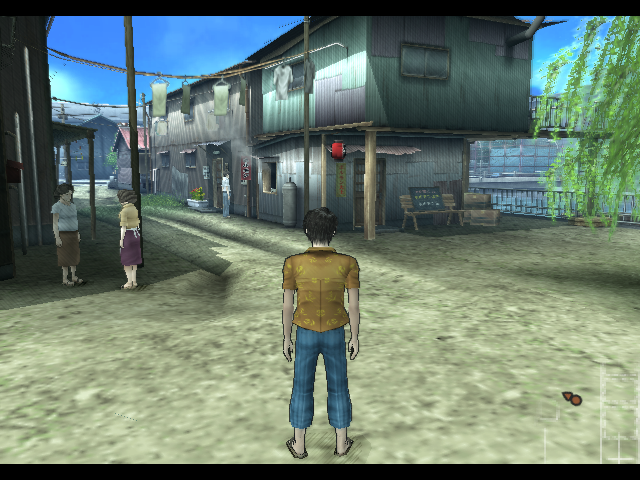
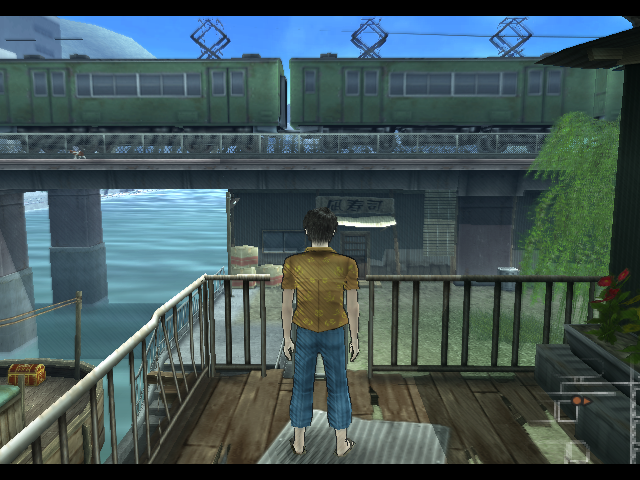
What makes PachiPara 14 more than a specialty disc is the town exploration around those machines. You can travel on foot, by bicycle, or by car, then break up the pachinko routine with eating, exercise, fishing, and the batting center. Maintaining the protagonist’s health means the game is not content to let you camp at a parlor forever. Some gamers will find this scattershot, especially when they only want another shot at the machines. Others will enjoy that the game treats pachinko as part of a life rather than the whole of one.
The new theater system is the clearest sign of that broader ambition. Joining an acting troupe and selecting dialogue during performances gives you a different kind of participation from adjusting machine settings or managing a limited supply of balls. It is a peculiar fit, and that is exactly why it is memorable. Character and apartment customization return as well, so there is a steady sense that you are shaping both a player and a place to live, not merely chasing an abstract score.
View mode is a welcome extra for anyone who wants to browse the pachinko display animations without waiting for them to occur in play. Meanwhile, the menu-background picture customization is small but nicely in tune with the rest of the package: PachiPara 14 repeatedly gives you ways to personalize the experience. The result can feel busy, but it is busy with purpose. Give it time, and the odd collection of activities begins to feel like the point.
Graphics
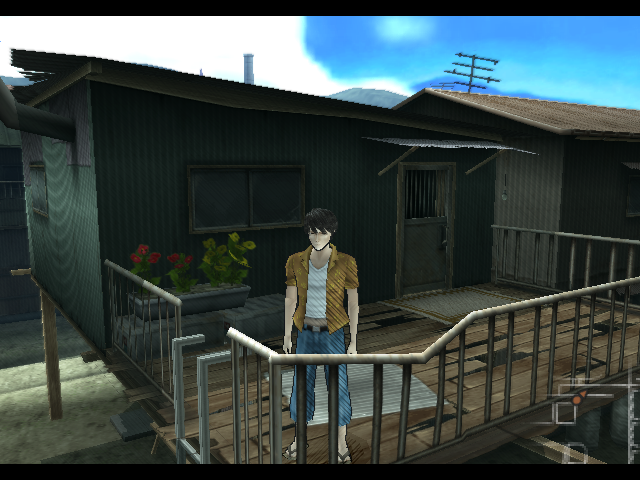
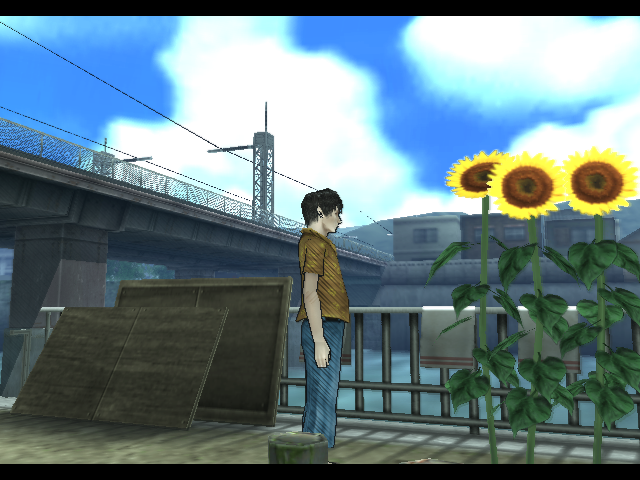
The centerpiece is the pair of 3D pachinko machine recreations, with their in-game displays and collectible animations getting enough attention to warrant a separate View mode. The town sections also shift the view beyond the machine, as you move the protagonist around on foot, bicycle, or car. Menu backgrounds can be customized with different picture combinations, a modest touch that fits the game’s hands-on spirit.
Story
Pachi-Pro Fūunroku 6: Jōnetsu-hen continues the prior story four years later with the same cast, and it does not ease into its drama. The protagonist’s career playing pachinko has gone badly enough that, after a humiliating defeat, they come close to suicide before being rescued. That is an unexpectedly severe starting point for a game built around pachinko, and it gives the rest of the adventure more emotional weight than its hobby-filled structure initially suggests.
From there, the story is about rebuilding: recovering from that collapse, trying to make a life, and searching for true love. You can choose a male or female protagonist, which is a meaningful fit for a story concerned with identity and relationships rather than a purely fixed hero’s journey. Dating is part of the path, but so are the more practical routines of keeping healthy, finding things to do, and trying to establish a career.
The acting troupe adds a second layer to the premise. Choosing lines during plays does more than offer another pastime; it lets the story’s protagonist literally perform roles while attempting to put their own life back together. It is a direct, almost melodramatic idea, but it suits a series willing to place personal crisis beside pachinko parlors and batting cages. Returning fans will get the most from the continuing cast, while newcomers should be ready for a sequel that assumes its characters’ history matters.
Overall Experience
PachiPara 14 is at its best when you accept that it refuses to stay in one lane. It is a pachinko simulation with adjustable machines and a competitive challenge mode, but it is also a town adventure, a relationship story, a health routine, a customization game, and—somehow—a theatrical dialogue game. That breadth will either feel wonderfully offbeat or hopelessly unfocused depending on why you picked it up.
For pachinko devotees, the two Super Umi machines and the ability to alter settings make this a substantial final PS2 entry for Irem’s series. Battle mode provides a more immediate test when you do not want to wander town, while View mode respects the pleasure of simply watching the machines’ animations. The simulation material has enough room for serious interest instead of being a token minigame attached to an adventure.
For everyone else, the recommendation rests on your tolerance for eccentric Japanese life-sim storytelling. The protagonist’s recovery and romance arc gives the wandering structure a genuine center, and the theater material is weird in a way that feels specific rather than random. You may bounce off the pace if you need every activity to feed a single clear goal. But if a PS2 game about trying to rebuild a life through pachinko, dates, exercise, fishing, driving, and amateur theater sounds like a story you want to see through, PachiPara 14 earns the patience it asks for.


Reviews
There are no reviews yet.