 Retro Replay Retro Gaming History, Reviews & Emulation
Retro Replay Review
Gameplay
The first few fights have a pleasingly direct, scrappy energy. Kenichi is not framed as an untouchable martial-arts god; the whole premise is that he is trying to get stronger one opponent at a time. That makes a fighting game built around comparatively grounded techniques a natural fit. If you are tired of every anime fighter turning into a contest of projectiles and impossible leaps, this more physical approach has a distinct pull.
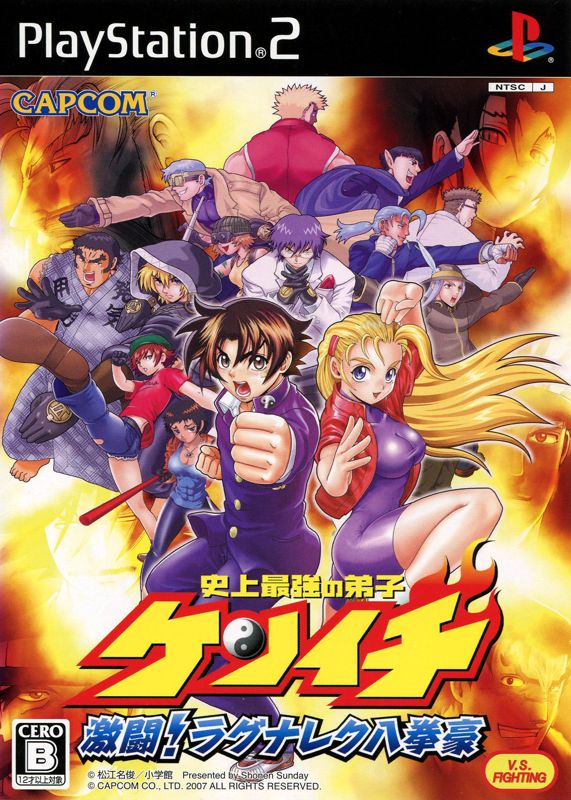
The roster of 12 is tightly tied to the Ragnarok storyline: Kenichi, Miu, Ikki Takeda, Kōzō Ukita, and the eight Hachikengō members. That is not a huge all-series celebration, but it is a sensible selection for this specific arc. The value comes from recognizing how these characters fight in the manga and anime and getting to use those styles yourself, rather than from sheer roster size.
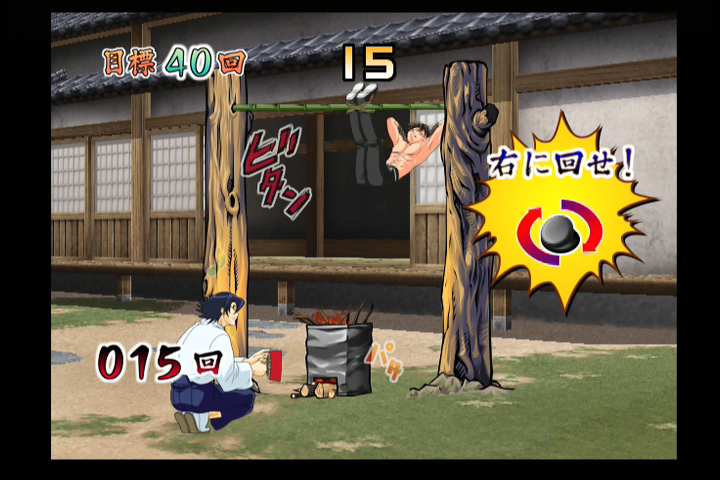
Story mode does more than march you through battles. Training minigames appear between fights and can raise Kenichi’s abilities, giving his improvement a mechanical counterpart instead of leaving it entirely to the script. Mission mode is another good change of pace, asking you to complete specified tasks or moves to advance. Practice, versus, score attack, time attack, and survival round out a respectable PS2 fighting-game toolkit, though anyone interested only in deep head-to-head competition may find the licensed story focus more compelling than the mode list itself.
Graphics
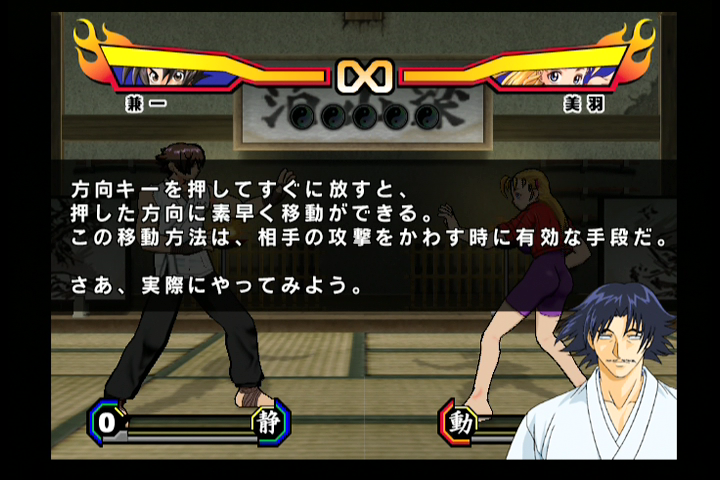
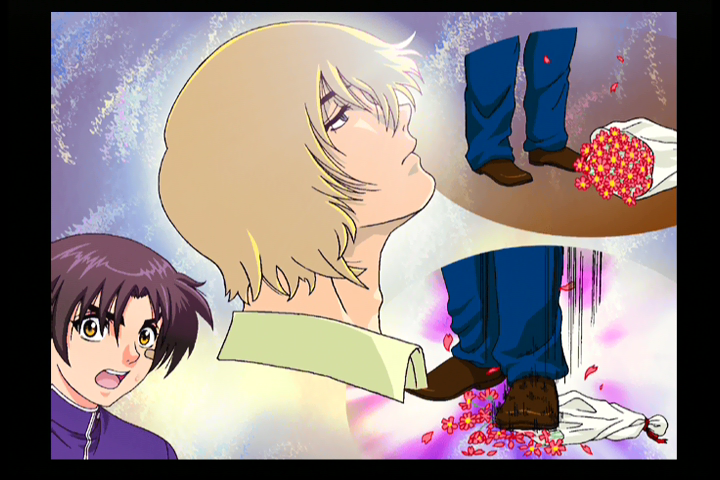
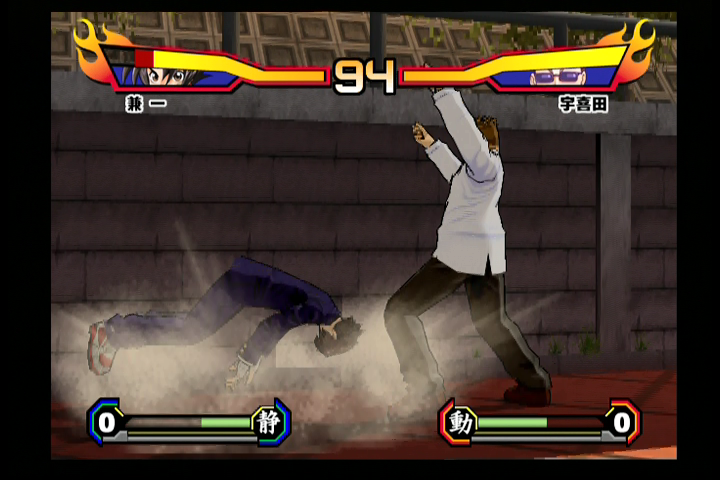
The game uses 3D character models for its versus fighting, with the familiar Kenichi cast carrying the visual load. The grounded combat direction matters here: the matches are centered on martial-arts exchanges rather than the oversized magical attacks common to many anime fighters.
Story
Kenichi’s story is easy to understand even before the first match: he has spent his life being bullied and dismissed, then meets the martial-arts prodigy Miu Fūrinji and enters Ryōzanpaku dojo to train under its six masters. It is an uncomplicated underdog setup, but it is a good one for a fighter because every new rival has a clear personal reason to matter.
The game roughly follows the Ragnarok arc through the end of the original series’ storyline. Each victory draws the attention of a stronger opponent, eventually putting Kenichi in the path of the local gang Ragnarok. That escalating structure suits arcade-style fighting better than a sprawling plot would; you always know why there is another confrontation waiting.
Fans of the source will get the strongest payoff because the cast, techniques, and arc-specific progression are central to the experience. Newcomers can still follow the basic rise-from-zero premise, but the emotional weight behind each matchup depends heavily on how much these characters already mean to you.
Overall Experience
This is a focused adaptation rather than a broad attempt to reinvent fighting games. Its best idea is matching Kenichi’s gradual growth with a story mode that includes train-and-improve interludes. When that rhythm clicks, you are not simply clearing opponents; you are pushing an underdog through a succession of increasingly serious challenges.
Frustration can set in if you want an enormous roster, wild anime spectacle, or a game divorced from its source material. The grounded move set is a deliberate flavor, not a compromise to be apologized for, but it also means the game lives or dies on whether you enjoy martial-arts exchanges and the Ragnarok cast.
Give it a chance if Kenichi’s Ragnarok arc is one you remember fondly, or if a compact 3D fighter with training, missions, and several score-chasing modes sounds more inviting than another effects-heavy anime brawler. For everyone else, it remains a solidly themed curiosity: earnest, specific, and most rewarding when you meet it on its own martial-arts terms.


Reviews
There are no reviews yet.