 Retro Replay Retro Gaming History, Reviews & Emulation
Retro Replay Review
Gameplay
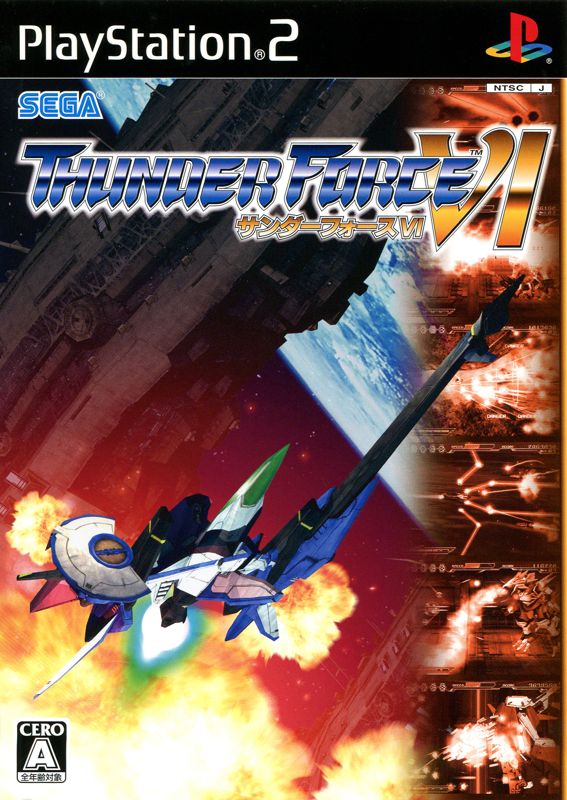
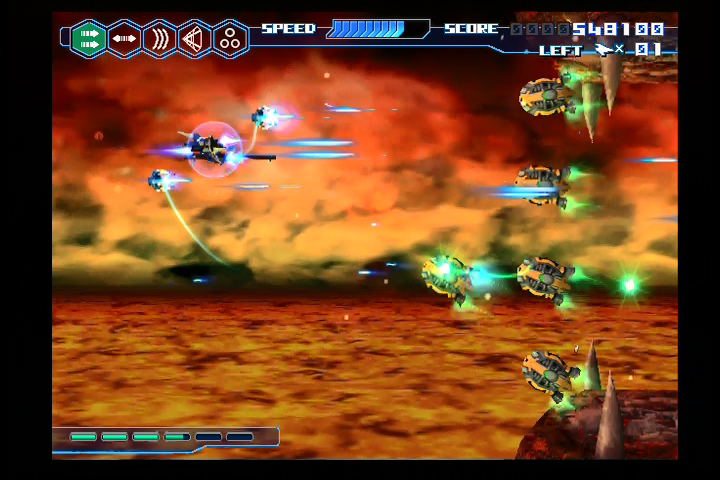
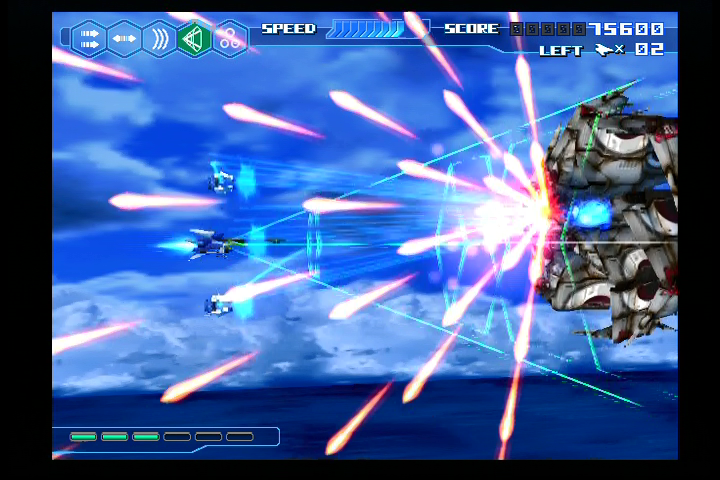
Thunder Force VI wastes little time explaining why weapon switching is its central idea. Every weapon is available from the start, so you are not stuck making do with whatever upgrade happened to drop earlier. Instead, you can react: change arms when the situation changes, then lean on the selected weapon’s super attack when you need a much bigger answer. That makes the opening feel brisk and empowering without turning it into a mindless victory lap.
There is a satisfying little rhythm to learning which tool you want in your hands. You are constantly making a practical call rather than treating the weapon set as a static loadout, and the changing super weapon gives each selection extra weight. The best moments should come from committing to an option that suits the immediate pressure, not merely firing the same shot until the stage ends.
The trade-off is scale. Six stages make this a compact arcade run, and that means its ideas need to click quickly. Fortunately, the format suits the game: Thunder Force VI is after direct momentum, repeatable action, and the satisfaction of getting more decisive with its arsenal. If you prefer shooters built around gradual power accumulation, its open weapon access may feel less dramatic. If you value agency from the first launch, it is a real strength.
Graphics
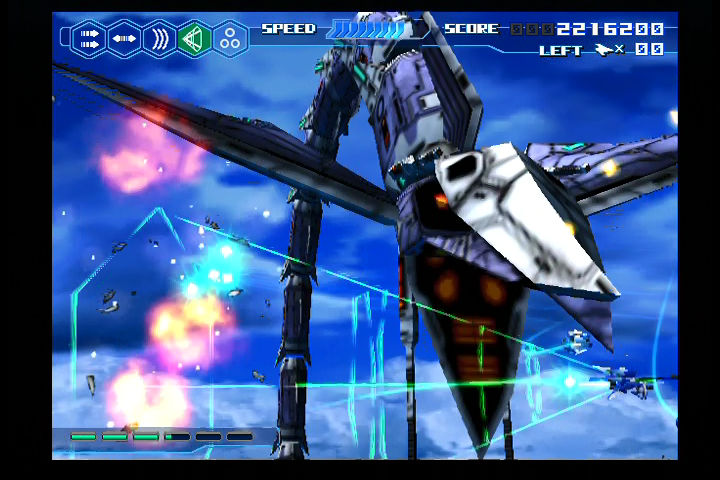
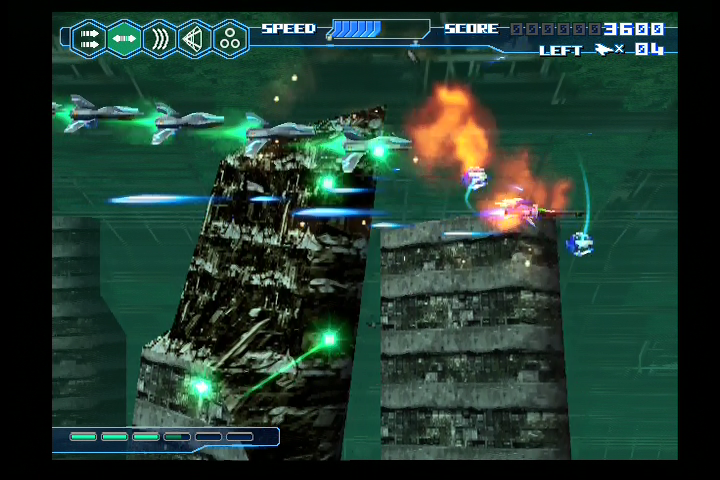
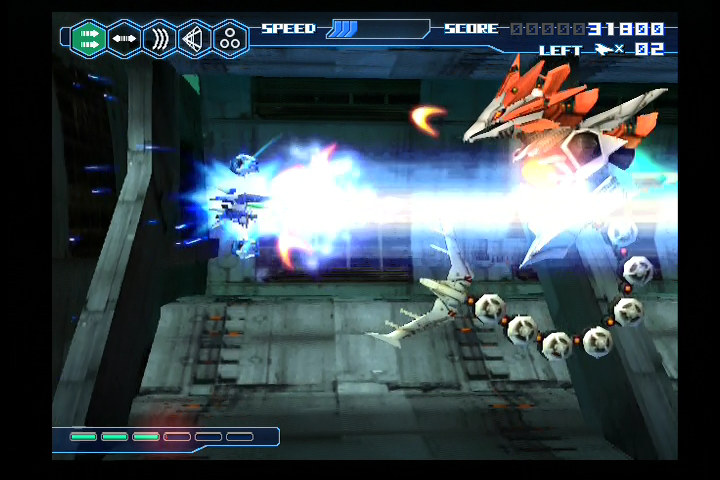
The action uses 3D graphics while staying in the series’ side-scrolling shooting lane. You guide the experimental Phoenix across the screen through a futuristic alien conflict, so the game keeps the familiar horizontal arcade view even as it moves away from purely 2D imagery.
Story
The setup is classic Thunder Force urgency. Eleven years after Guardian nearly destroyed Earth, the planet is finally recovering when Orn Faust arrives and attacks. Humanity is overwhelmed, which gives the Phoenix’s launch the proper last-chance feeling a shooter like this needs.
Vasteel technology, once sealed underground, awakens as Orn Faust approaches. The Unified Earth turns that lost technology into the experimental Phoenix and sends it toward the enemy’s source. It is a straightforward mission briefing, but a good one: you are not wandering into a conflict; you are flying humanity’s one viable response.
The direct connection to the earlier Guardian crisis gives returning fans a useful thread to hold onto. If you want context for the game that preceded it, Thunder Force V (Special Pack) is the relevant stop. For broader background on this installment, see Thunder Force VI’s release history.
Overall Experience
Thunder Force VI understands that a comeback shooter needs to put the controls and the pressure first. Its weapon freedom is more than a bullet point: it changes how you approach danger, because the question is always which option solves the next problem best. That is enough to give a short run some replay-minded energy.
Its close resemblance to Thunder Force V cuts both ways. Fans looking for a continuation of that style have a clear reason to be interested, while anyone expecting a dramatic reinvention may find the return conservative. I think that restraint works here. A series known for side-scrolling sci-fi combat does not need to abandon its foundations when the core decision-making remains lively.
Give it a chance if you want a concentrated PlayStation 2 shooter that lets you experiment with its full armory immediately. The six-stage length keeps the commitment manageable, and the Phoenix’s adaptable weapons give you a reason to return and handle the same run with more confidence. It is a compact, purposeful entry rather than an oversized one.

Reviews
There are no reviews yet.