 Retro Replay Retro Gaming History, Reviews & Emulation

Retro Replay Review
Gameplay
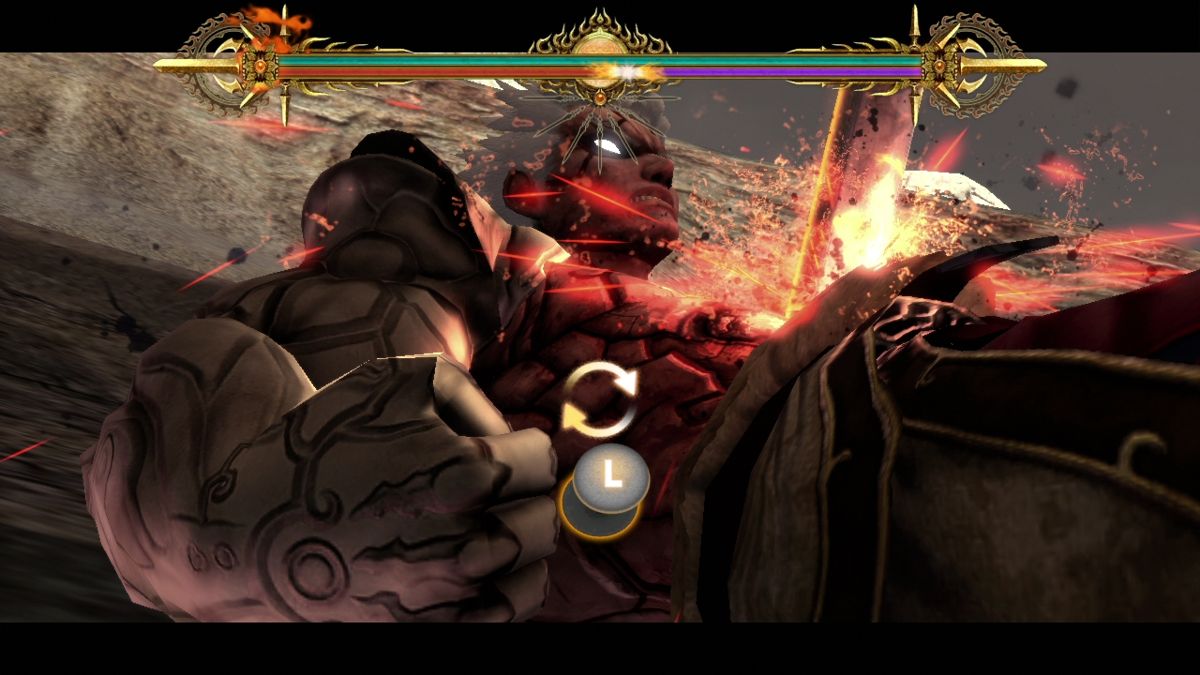
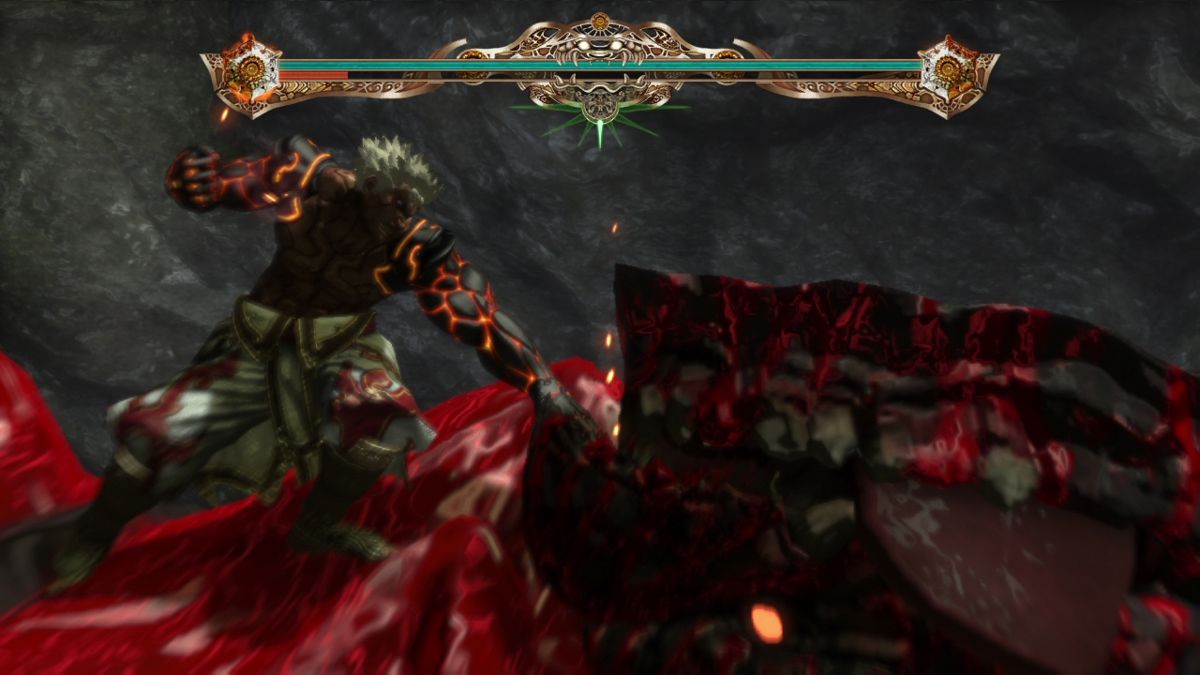
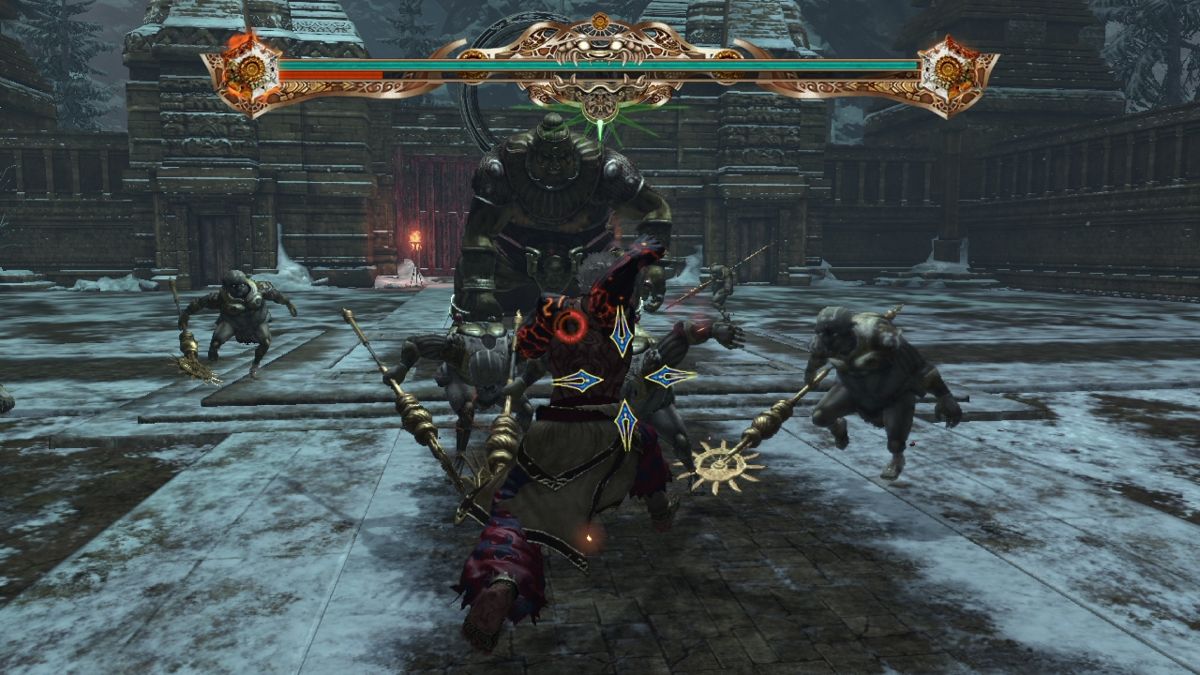
The first hour makes its intentions wonderfully clear: you are here to push forward through an absurdly high-stakes action spectacle, not to patiently master an intricate fighting system. Asura’s close-range attacks chain into combos, with dives, dashes, counters, dodges, and a quick recovery move giving you a decent set of answers in a brawl. The cannon is especially welcome when enemies or projectiles are outside punching distance, letting you lock on and clear some breathing room.
There is a useful rhythm to managing Asura’s power. Heavy attacks hit harder but overheat, so you cannot simply lean on them every second. Take and deal enough damage and Unlimited mode removes that restriction while boosting your strength, creating brief windows where you can let loose. The Burst gauge is more overtly dramatic: fill it through fighting and prompted actions, then unleash the big attack often needed to put down the toughest opposition and move the episode along.
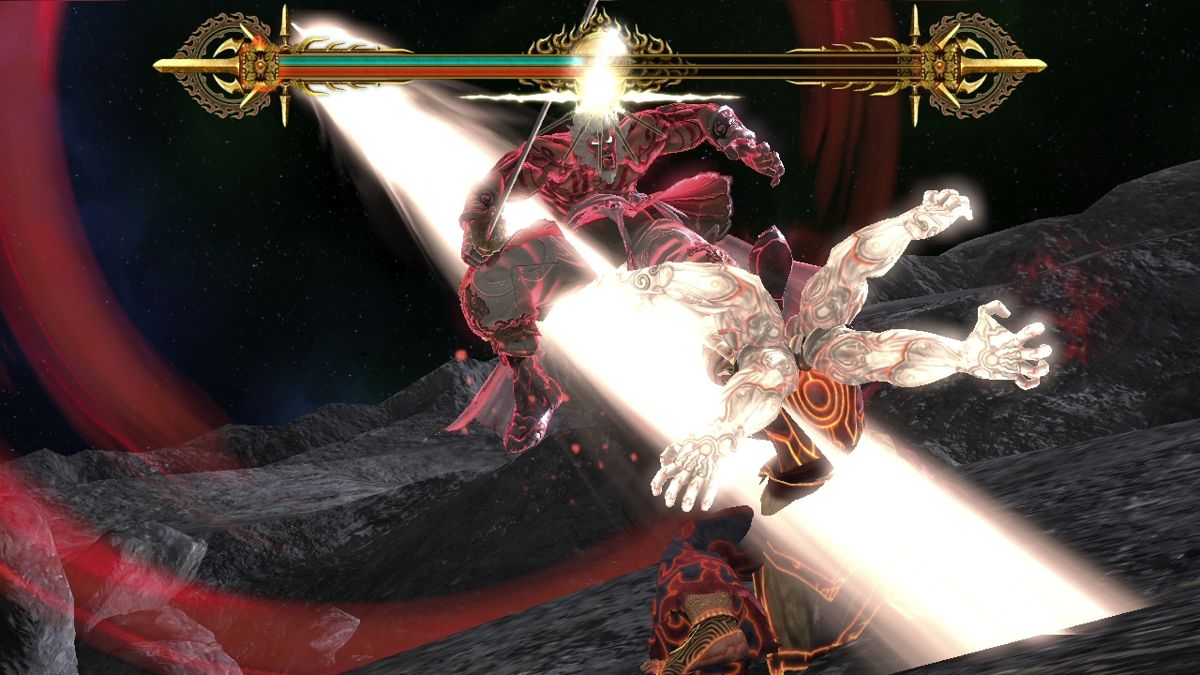
Combat is solid, but it is rarely the whole point. The game regularly throws you into fixed-axis flight and rail-shooter stretches, where the camera swings around Asura as you lock onto targets and evade incoming fire. Then there are the quick-time events, which can pop up in fights, flight sequences, and even otherwise static cinematics. They fit the game’s all-in anime energy, but missed inputs can mean a death or a painful loss of health. If you dislike being tested during cutscenes, that frustration will arrive early and often.
Graphics
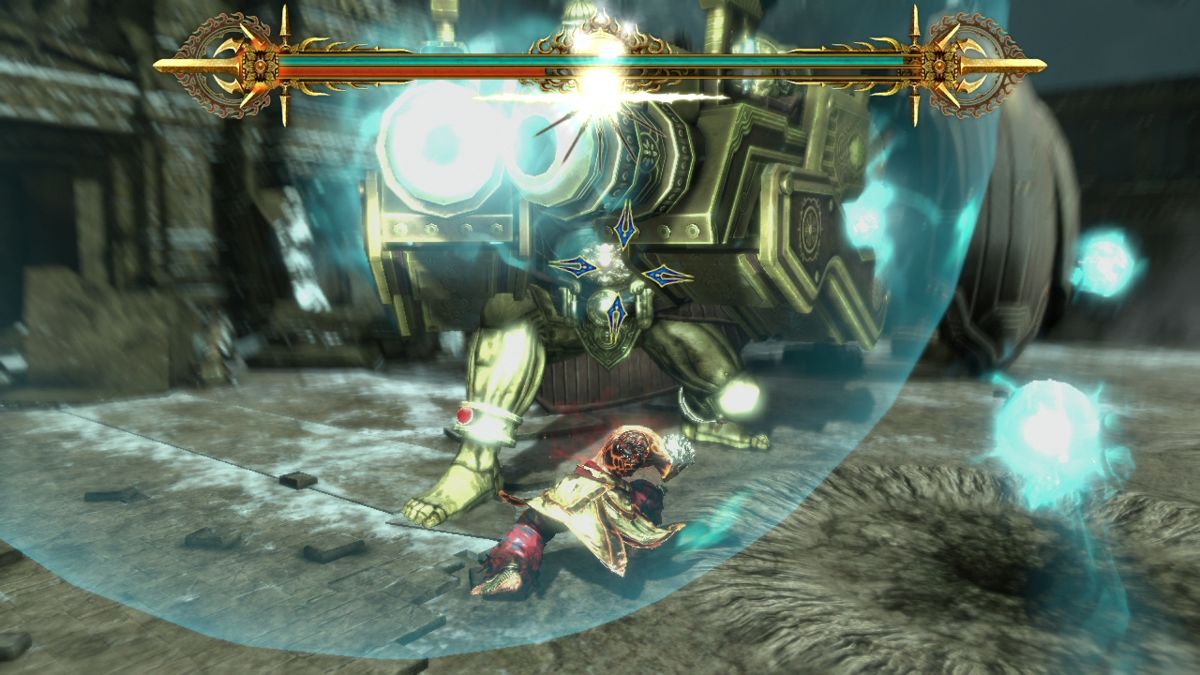
The game frames its action like an anime series, complete with opening and ending credits and next-episode previews. Third-person battles keep Asura close to the action, while the rail-shooter sequences use an automatically rotating camera to follow his high-speed movement through the sky. Giant Gohma and the orbital Karma Fortress give the conflict a suitably outsized backdrop.
Story
Asura’s Wrath works because it treats every grievance as world-ending. Asura begins as the Guardian General of eight elite demigods, fighting the Gohma on Gaea for the rulers of Shinkoku Trastrium. That foundation is already dense with emperors, mantra, priests, planetary exploitation, and a war neither side can win, but the game embraces the density rather than slowing down to make it gentle.
The most compelling thread is the personal pressure beneath the cosmic conflict. Mantra comes from mortal emotion, and Asura’s daughter Mithra is selected as priestess to guide those prayers. His objection gives the huge war a more immediate emotional fault line. When Vlitra, a Gohma the size of a continent, awakens and forces the demigods to build the orbital Karma Fortress, the stakes become ridiculous in exactly the way this game wants them to be.
The 18 episodes are split across three parts, and the television-style structure helps the story keep its momentum. Credits and previews make each segment feel like a new installment rather than a conventional mission. A hidden ending exists, while DLC extends the narrative with a fourth part, lost episodes, and additions to existing episodes. For background on its release and history, see this Asura’s Wrath overview.
Overall Experience
This is an easy game to admire more than it is to recommend universally. When its fighting, shooting, and cinematic prompts cooperate, Asura’s Wrath feels like you are participating in an outrageously escalated action cartoon. When they do not, the frequent handoffs between control and scripted input can make you feel like the game is yanking the controller away just as a fight starts to develop.
That does not make the experience disposable. The variety keeps it moving, and the episode format gives even abrupt shifts a sense of purpose. You are never expected to settle into one mode for long. The payoff is the accumulating intensity: the game keeps stacking new crises onto its already extravagant premise until its refusal to calm down becomes the reason to see it through.
Give Asura’s Wrath a chance if you want a fiercely committed action melodrama and do not mind QTEs being a major part of the contract. Skip it if you need uninterrupted, highly technical combat to carry an action game. At its best, it is messy, loud, and completely sincere about making every confrontation feel like the end of the world.


Reviews
There are no reviews yet.