 Retro Replay Retro Gaming History, Reviews & Emulation
Retro Replay Review
Gameplay
Brink is most enjoyable when you stop treating it like a deathmatch shooter and start treating every firefight as a small team problem. One side might need to breach a gate, escort something through hostile ground, defend a position, destroy a target, or operate a device; the other side is trying to break that chain of progress. That structure gives its maps a welcome sense of movement. You are not merely chasing kills, because the battle keeps asking what needs doing next.
The automatic mission system is one of the smarter touches. If a soldier begins planting a bomb, teammates are directed to defend that effort, which makes the next useful task much clearer than in shooters that leave everybody to improvise. Experience earned for completing objectives feeds character upgrades and new abilities, so helping the team is tied directly to your own progression. It is a sensible loop, and it makes a well-organized push feel far more satisfying than simply topping a scoreboard.
Class choice matters. Soldiers handle the blunt-force work, medics keep teammates alive, engineers use gadgets, and operatives hack computers. You can switch class at an in-game terminal, so a stalled match does not have to stay stalled just because nobody chose the needed role at the start. The frustration is that this flexibility only pays off when your side recognizes the problem and responds. A team that ignores an objective can turn a carefully staged map into a long, messy shooting gallery.
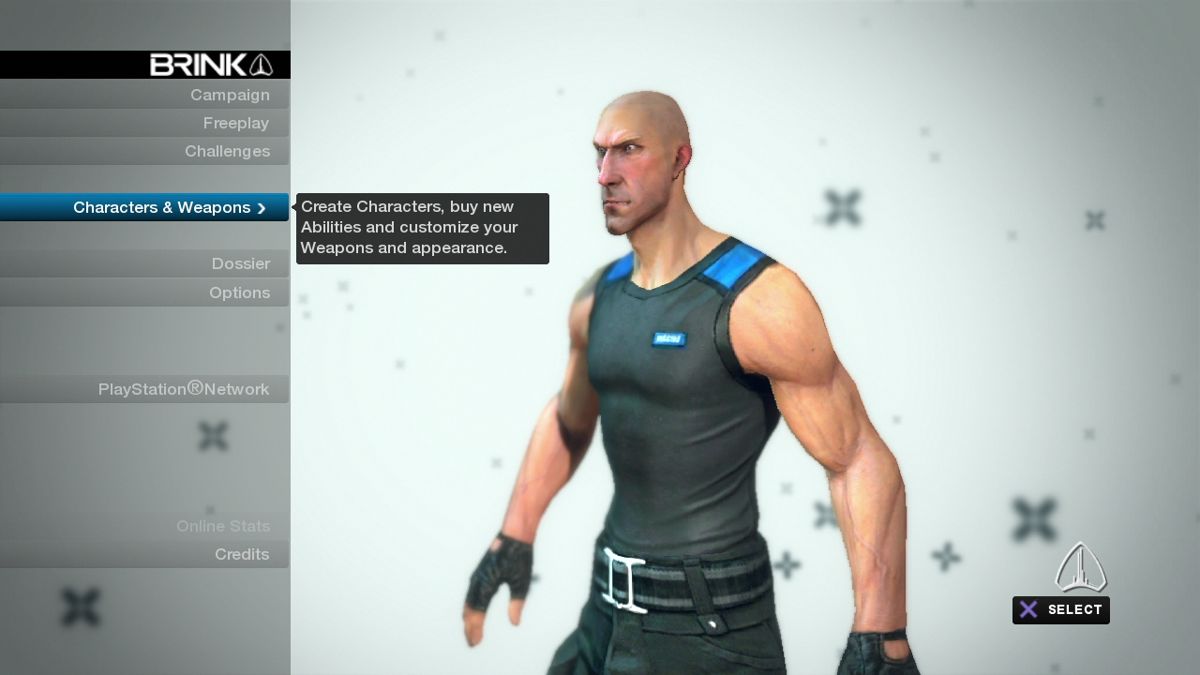
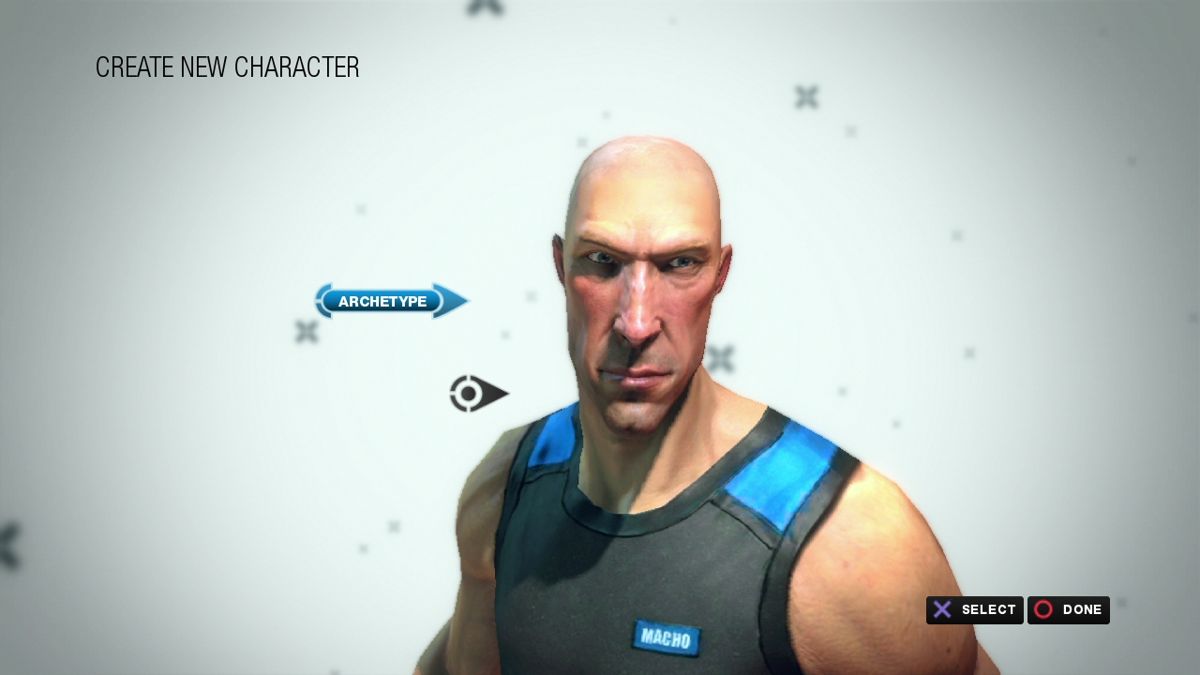
Character build adds a useful wrinkle without overwhelming the core shooter. A larger character can carry big guns, while a lighter one moves faster and can use SMART to climb over obstacles or slide along the ground by holding a button. That mobility gives lighter builds a distinct reason to exist and can make navigating contested ground more lively. Cosmetic customization lets you make a character your own, but the meaningful decision is body type: choose whether you value heavier weapon access or speed and movement options.
Graphics
Brink is viewed from the first person, with the flooded-world conflict centered on the Ark, one of the last inhabitable places left. Character customization gives your fighter some visual individuality, while the size of that character also communicates a practical gameplay difference: heavier builds carry big weapons, and lighter ones are built for faster movement.
Story
The setup is clean and functional: a future flood has left the Ark as one of humanity’s few livable refuges, and conflict between its security forces and resistance has escalated into open war. It is a strong enough reason to put two factions into repeated fights over territory and infrastructure, but the game’s real interest lies in what those conflicts ask you to do moment by moment.
There are two single-player campaigns, one for each side, but they are essentially multiplayer matches with bots and cutscenes. That means the campaign framing does not transform Brink into a separate solo adventure. If you want the resistance-versus-security premise mainly as context for objective-driven battles, it does its job. If you expect the campaigns to carry the experience through a major narrative distinction, the overlap will disappoint.
Still, the opposing-faction structure fits the mission design well. Security and resistance pursue conflicting goals on the same maps, so the story premise is constantly reflected in the match objectives rather than being confined to brief scenes between them. The stakes feel most convincing when your team is actively pushing or stopping an objective, not when the campaign pauses to remind you why the sides are fighting.
Overall Experience
Brink is a shooter built around a good instinct: teamwork should be more concrete than standing near teammates and firing at the same enemy. Its missions make roles matter, its changing objectives create a natural flow through each map, and its class-switching system gives you a way to answer the team’s immediate needs. In a coordinated match, all of that clicks.
The trade-off is obvious. The game leans so hard on cooperation that a disconnected team can drain much of its energy. You can understand exactly what needs to happen—heal the push, protect the planter, bring an engineer, hack the computer—and still watch the match bog down if no one follows through. Bots can fill out the campaigns, but their presence does not replace the satisfaction of people adapting together.
Give it a chance if the thought of changing roles mid-match, supporting a squad objective, and earning progress through useful play sounds more inviting than lone-wolf shooting. Go in knowing that the campaign is not a separate centerpiece; it is another way to engage with the same multiplayer-style structure. At its best, Brink makes you feel needed. At its worst, it reminds you how quickly a team shooter can unravel when nobody wants the job.


Reviews
There are no reviews yet.